“Tip the balance for good”: residents sound alarm over final Yarra Park Master Plan
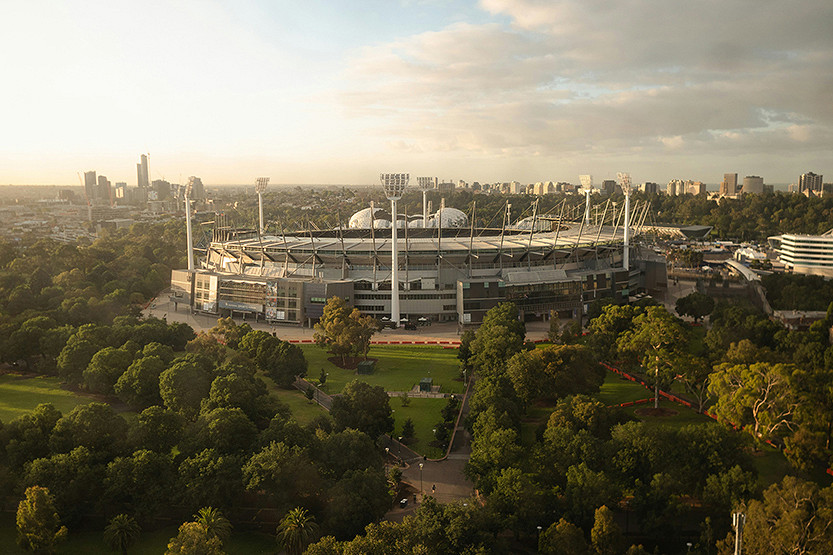

The future of Yarra Park is again under scrutiny, with the East Melbourne Group preparing to hold an emergency meeting over fears the final master plan for the park will tip the balance too far towards commercial and event use.
The Yarra Park Master Plan 2026, prepared by the Melbourne Cricket Club as land manager, sets out a 10- to 15-year framework for the future of the heritage-listed public park surrounding the MCG.
The final plan presents Yarra Park as a place with “two modes”: event days, when the park operates as a major arrival, gathering and movement space for the MCG and wider sports precinct, and non-event days, when it remains a peaceful retreat for residents, workers and visitors.
It proposes a range of upgrades, including improvements to the northern recreation space, new accessible facilities, pathway upgrades, better lighting, tree replacement and management, cultural recognition, improved services infrastructure, a new gathering space near the MCG concourse, and future event, parking and night-time strategies.
But the East Melbourne Group says the final version does not adequately address concerns raised by residents during consultation, and risks permanently changing the character of one of inner Melbourne’s most important open spaces.
In a letter to Planning Minister Sonya Kilkenny, EMG president Greg Bisinella said the group was not opposed to the MCG, major events or the “festival atmosphere” associated with the precinct.
However, he said EMG had maintained two “red lines” throughout the process: no permanent infrastructure embedded in parkland, and no erosion of the existing event permit pathway.
“The Amendment as drafted crosses both,” Mr Bisinella said.
According to EMG, the plan and associated planning controls would allow permanent underground utility services to selected paddocks, architectural lighting around the MCG concourse, new gathering and celebration spaces, and permanent hostile vehicle mitigation.
The group argues that while temporary structures have long been part of the park’s event-day life, permanent event-enabling infrastructure would mark a more significant shift.
In EMG’s latest Inner City News column, Mr Bisinella said Yarra Park had successfully held two roles for more than 150 years: as the green forecourt to the MCG on major event days, and as an everyday public park for East Melbourne and surrounding communities.
“That balance has worked,” he said.
“But a proposed new master plan now sitting with the Minister for Planning for approval would tip that balance for good.”
EMG’s concerns come despite several elements of the master plan being welcomed by the group, including proposed upgrades to the northern recreation space, tree management, pathway improvements and accessibility works.
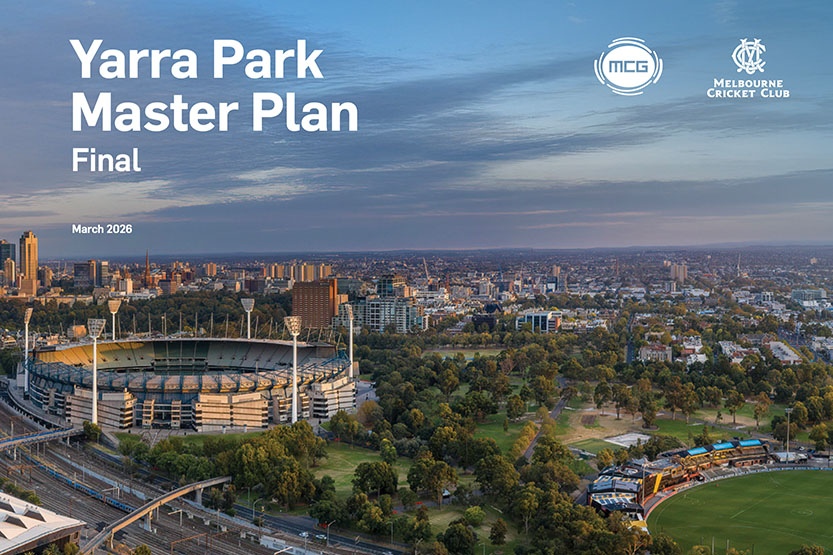
The final master plan says Yarra Park will be retained as the place “local residents, visitors, sports fans and tourists know and love”, and that proposed works are intended to improve safety, protect tree avenues, make park spaces more functional and recognise the cultural significance of the site.
It also says Yarra Park will continue to provide “a peaceful retreat from the city” on non-event days, while supporting major gatherings on event days.
However, EMG argues the planning framework does not provide enough safeguards for residents or everyday park users.
The group says its requests for a phase-out of grass parking by 2030, a 50-metre amenity buffer from Vale St and Jolimont Terrace, and passive-only designation for paddocks 12, 24 and 25 were not accepted.
It also says the City of Melbourne’s request for “residential amenity” to be adopted as a fourth guiding principle of the plan was not included.
Another concern relates to the proposed event management framework. The final master plan says an Event Management Strategy will be prepared to guide the number, scale and impact of events held in Yarra Park, including requirements around landscape protection, waste, noise, lighting, temporary infrastructure and post-event assessment.
But EMG says the associated planning controls could create a more efficient event approval process by identifying permit exemptions, potentially reducing community input into future events.
The group has also raised concern about the removal of third-party notice and review rights for some advertising signage and the ability for some works to proceed without further planning approval.
Mr Bisinella said the cumulative impact was what mattered.
“Our concern is that the cumulative effect, rather than any single clause, is what is at stake,” he said.
The master plan’s implementation section says many future projects will require detailed design, engagement with government departments and other approvals, including heritage and Aboriginal cultural heritage processes.
But EMG says the amendment should not proceed to gazettal in its current form and has asked the Minister to defer her decision pending further community engagement or decline to gazette it as drafted.
If the amendment proceeds, EMG has called for minimum changes including broader community engagement requirements, restoration of third-party rights for advertising signage, adoption of residential amenity as a guiding principle, and clear height, footprint and setback limits for proposed new structures.
The group’s emergency meeting on June 3, which took place shortly after Inner City News published its June edition, is expected to focus on what residents can do next, with EMG warning the park’s shared future is under threat.
The MCC was contacted for comment. •
Related Articles
Rebuilt Corkman meets cautious approval
The rebuilt Corkman Irish hotel, revealed when its scaffolding was removed in mid-June, has been met with cautious approval by the Royal Historical Society of Victoria (RHSV) despite the new building’s concrete slab walls.
Read More
East Melbourne rentals fall short: new report
Research from La Trobe University has found rental properties in East Melbourne ranked among the lowest in Victoria for compliance with minimum standards.
Read More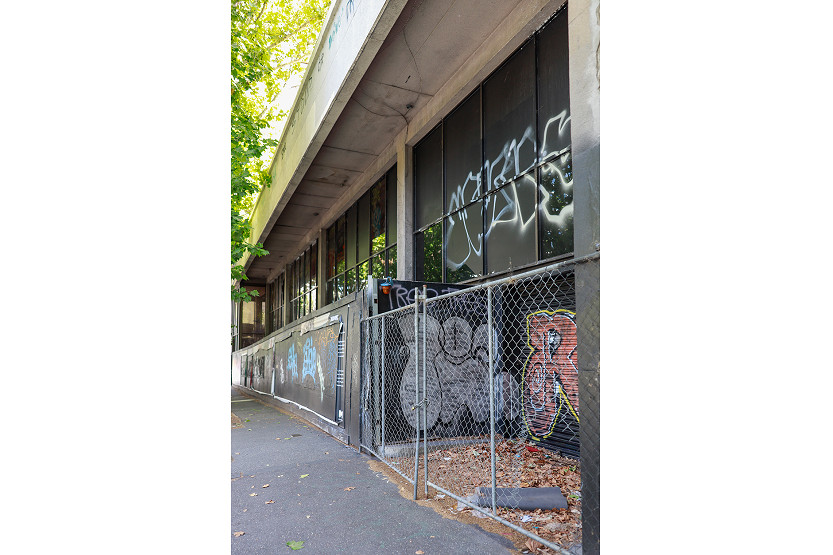
New powers target Carlton eyesore
New state government reforms could give the City of Melbourne a stronger hand to pressure owners of long-vacant and derelict buildings to act, with Carlton’s former Cancer Council site among the most prominent local examples.
Read More
Da Guido La Pasta enters its next chapter
Infrastructure plan puts focus on Carlton, Parkville and East Melbourne
 Download the Latest Edition