East Melbourne rentals fall short: new report

Research from La Trobe University has found rental properties in East Melbourne ranked among the lowest in Victoria for compliance with minimum standards.
The study used audit data from more than 11,000 property inspections across Victoria, analysing compliance across factors including location and property type.
To pass, a rental property had to meet the 14 minimum standards under the Residential Tenancies Regulations, which were introduced in Victoria in 2021.
The standards cover bathrooms, electrical safety, heating, kitchens, laundries, lighting, locks, mould and damp, structural soundness, toilets, ventilation, vermin-proof bins, window coverings and windows.
Across the audited properties, the two standards with the lowest compliance were mould and damp, at 73 per cent, and bathrooms, at 79 per cent.
In East Melbourne, only 40 .38 per cent of audited rental properties complied with the minimum standards. The suburb recorded the ninth-lowest compliance rate in Victoria, with only Thomastown, Lalor, Elwood, Craigieburn, Reservoir, St Kilda, Bundoora and Malvern East recording worse results.
A total of 52 properties were audited in East Melbourne, with mould and damp the main reason properties failed to meet the required standards.
The result makes East Melbourne something of an anomaly. Low rental property compliance was more common in northern and western parts of Victoria than in eastern and southern suburbs.
One possible factor in East Melbourne’s result is the age of its housing stock, with many audited properties located in older buildings.
By comparison, audited rental properties in Carlton recorded a compliance rate of 55 .88 per cent, while Parkville recorded
73 .33 per cent.
Across Victoria, the data showed compliance rates fell from 76 .16 per cent in 2021 to 39 .91 per cent in 2024, a drop of 43 per cent in three years.
However, Property Compliance Victoria sales director Craig Topp said the decline could be partly explained by changes in audit participation.
When the minimum standards legislation came into effect in 2021, Mr Topp said rental providers “who knew their properties would be fine” were more likely to agree to be audited first.
Providers who were less certain about their properties held off until later, meaning the data may be front-loaded with more compliant homes and could help explain the sharp decline by 2024.
The number of properties audited in East Melbourne was also relatively small, but further research is expected to provide a clearer picture.
Lead author Dr Anisur Rahman said he planned to investigate data from 40,000 audits, which would “give us a much better idea of the state” of rental compliance across Victoria.
He said he hoped to release that work “very soon”. •
Related Articles
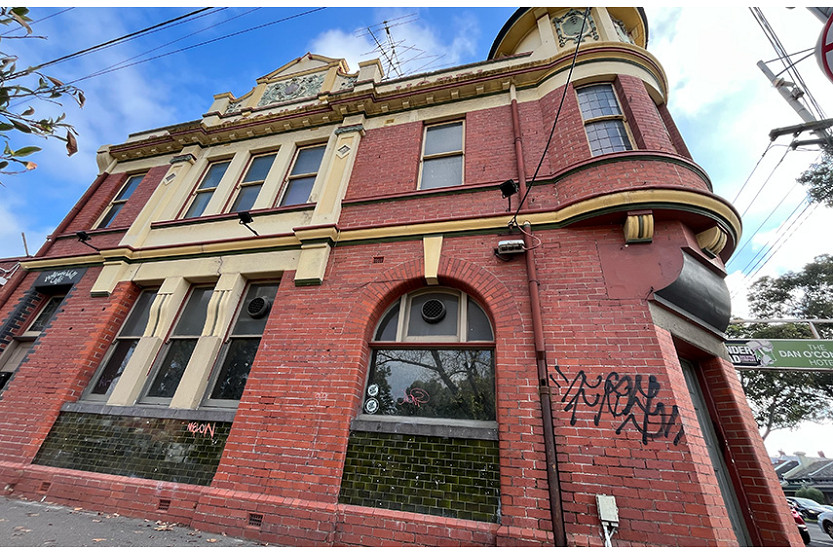
Carlton’s Dan O’Connell hits the market
As Inner City News foreshadowed last month, Carlton’s iconic Dan O’Connell Hotel is back on the market – for sale or for rent – with real estate agents listing the landmark building on Friday, July 31.
Read More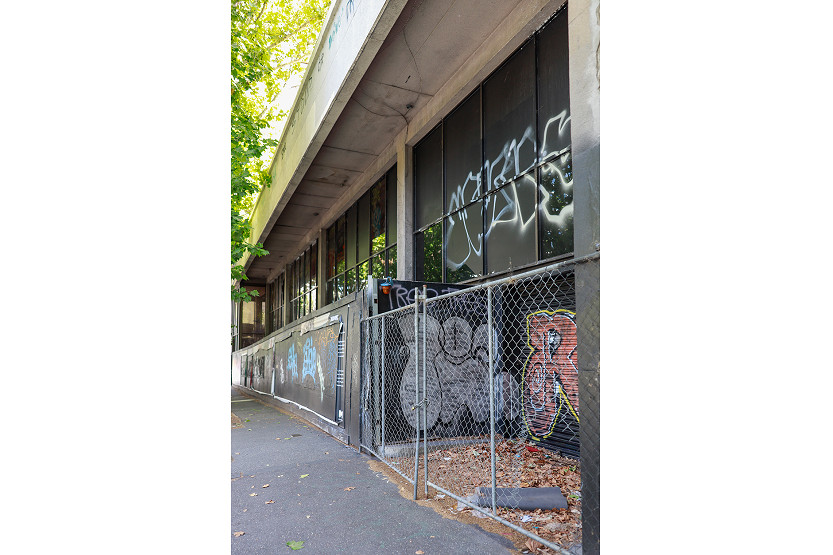
New powers target Carlton eyesore
New state government reforms could give the City of Melbourne a stronger hand to pressure owners of long-vacant and derelict buildings to act, with Carlton’s former Cancer Council site among the most prominent local examples.
Read More
Victoria’s rental reforms: Protecting tenants … and accidentally evicting landlords
Victoria has never been shy about a rental reform.
Read More
Farewell Inner City News – a short but meaningful chapter

Naughtons to toast 10 years under its current custodians
 Download the Latest Edition