Yarra Park master plan nears finish line as residents push back on “commercial creep”
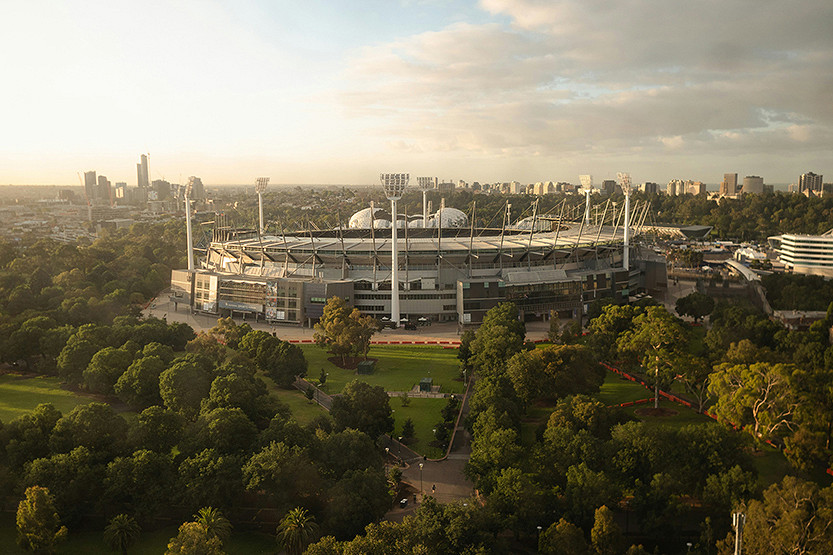

A new long-term master plan for Yarra Park is understood to be close to finalisation, setting up what could become one of the most consequential planning updates for East Melbourne’s best-known public space in more than a decade.
The draft Yarra Park Master Plan 2025, prepared by the Melbourne Cricket Club (MCC) as land manager, is intended to guide the park’s future over the next 10 to 15 years and ultimately be embedded into the Melbourne Planning Scheme through a specific controls’ amendment.
Consultation on the draft closed in November last year, with feedback now being reviewed before the finalised plan, supporting reports and draft statutory controls are sent to the Minister for Planning.
At the heart of the debate is a familiar East Melbourne tension: how to balance Yarra Park’s daily role as a much-loved local open space with its periodic use as the green forecourt to the MCG and the wider sports precinct.
The draft master plan leans into that dual role, explicitly framing the park as operating in two modes, “event mode” and “non-event mode”. It proposes a series of upgrades, including a renewed northern recreation space, a new gathering space near the MCG concourse, improved utilities to reduce reliance on temporary generators, accessible event-day hubs, better pathways and lighting, a celebration space for First Nations use, and a tree management and replacement strategy. Those ideas are also tied to a new event management strategy, a night-time strategy, and a car-parking strategy.
But while the plan presents those moves as a way of improving both day-to-day amenity and event operations, major local submitters argue it tips too far towards commercial activation and away from the park’s core identity as open public land.
The East Melbourne Group (EMG), in a detailed submission backed by planning advice from Hansen Partnership, says the draft places “disproportionate emphasis on commercial and event-based uses, with insufficient regard for Yarra Park’s role as a peaceful public open space for local residents”.
Its core position is blunt: “Yarra Park is first and foremost a public open space, essential to the wellbeing of East Melbourne residents”. The group says the park should remain primarily for passive recreation, with any events limited in number, respectful in character and subject to direct community consultation. It has called for public car parking on grass to be phased out by 2030, a 50-metre amenity buffer to be maintained from Vale St and Jolimont Terrace, and for paddocks 12, 24 and 25 to be designated exclusively for passive recreational use.
The City of Melbourne’s own management submission raises several overlapping concerns. While generally welcoming the draft and supporting its broad planning direction, the council says the plan should better recognise Yarra Park as part of a broader open space network and more fully address its residential interface.
It also says the park’s future use for car parking should be stated more clearly, noting that the city “generally do[es] not support green open spaces being used for vehicle parking”.
That issue of parking remains one of the most contentious. The draft master plan proposes reviewing existing public and accessible parking locations and surface treatments on event days but stops short of committing to a phase-out. The EMG and individual resident submitter Jason Romney both argue that is not enough, pointing to repeated grass damage, mud, loss of usable parkland and the visual blight created by event-day vehicle use. Mr Romney says the only acceptable long-term strategy is “the removal or significant further reduction of public car parking to protect the environment and ensure safe recreational use”.
Hansen Partnership goes further, arguing the master plan should explicitly consider alternatives outside the park, including parking within the MCG or at the redeveloped Punt Road Oval, particularly for accessible parking. It says that would be more consistent with broader planning policy aimed at reducing vehicle access and parking in Yarra Park.
Events are the second flashpoint. The MCC draft says improved power and water connections would reduce the need for temporary generators and make event operations less ad hoc. The City of Melbourne supports that in principle, saying better permanent infrastructure could reduce damage from vehicles and generators and make the park more suitable for events already migrating from elsewhere, such as the AFL Grand Final Parade.
But both the East Melbourne Group and Hansen warn that the plan lacks clarity about what exactly counts as an “event”, how often such events could occur, how long bump-in and bump-out periods might last, and how the community would be consulted.
The EMG says, that while “one could consider the current presentation of the park as mediocre,” its “unique position as one gateway to the MCG and Melbourne and Olympic Park Precinct should be presented as a world leading park of significant natural beauty and not give way to crass commercialism”.
It added: “Just as one would not consider temporary structures such as carnival rides and garishly signed alcohol outlets suitable for the Fitzroy or Royal Botanic Gardens; so should this be the case with Yarra Park.”
There is already alternative infrastructure at Punt Road Oval and Birrarung Marr to provide for this, if deemed necessary.
Hansen says the draft Event Management Strategy is too vague and gives little reassurance that the everyday values of the park will be protected over time.
Mr Romney’s submission is the most forceful, warning of “commercial creep” and objecting to the prospect of Yarra Park becoming an overflow venue for increasingly elaborate pop-up festivals and entertainments. He argues the plan risks turning the park into “an inner-city version of the Royal Showgrounds” rather than preserving it as “a peaceful retreat from the city”.
A further point of contention is the proposed planning mechanism itself. The master plan would be given effect through a new Special Control Overlay and Incorporated Document, replacing the existing 2010 Yarra Park Master Plan implementation controls. Hansen says that matters because those tools would remove normal third-party notice and appeal rights, making it critical that the final master plan contains enough detail to give the community confidence about future use and development.
There are also concerns that the draft does not adequately account for major future changes nearby, including the Punt Road Oval redevelopment, the flagged Shane Warne Stand rebuild at the MCG, and possible future upgrades to Richmond Station, all of which could alter access, parking needs and pedestrian movement during the life of the plan. Hansen argues the master plan may therefore be premature unless those major projects are properly integrated into it.
For now, the review process is entering its final stage. The MCC says a consultation summary report is also being prepared and will accompany the formal amendment request to the minister. If approved, the final master plan would be gazetted into the planning scheme. •
Related Articles
Carlton’s Dan O’Connell hits the market
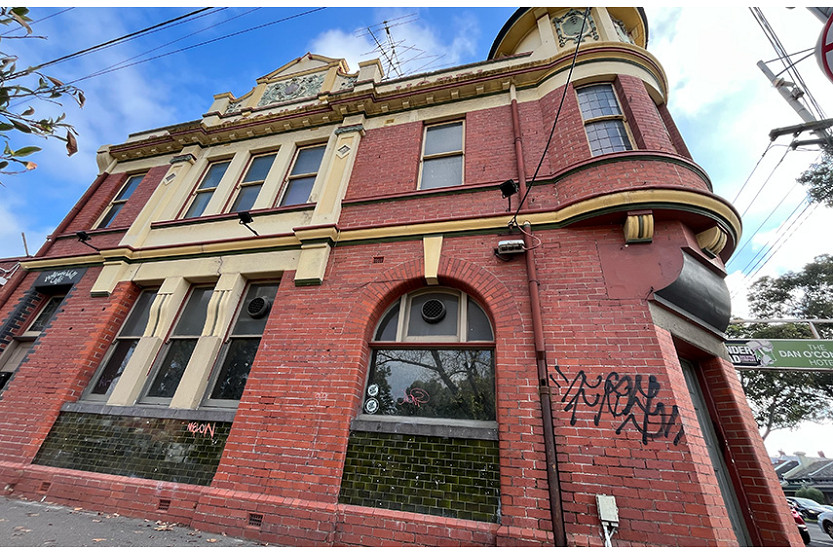
As Inner City News foreshadowed last month, Carlton’s iconic Dan O’Connell Hotel is back on the market – for sale or for rent – with real estate agents listing the landmark building on Friday, July 31.
Read More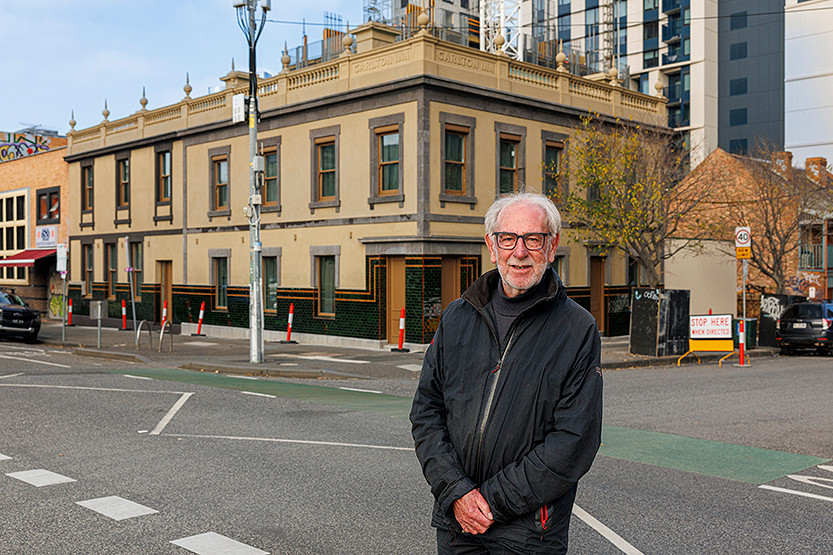
Rebuilt Corkman meets cautious approval
The rebuilt Corkman Irish hotel, revealed when its scaffolding was removed in mid-June, has been met with cautious approval by the Royal Historical Society of Victoria (RHSV) despite the new building’s concrete slab walls.
Read More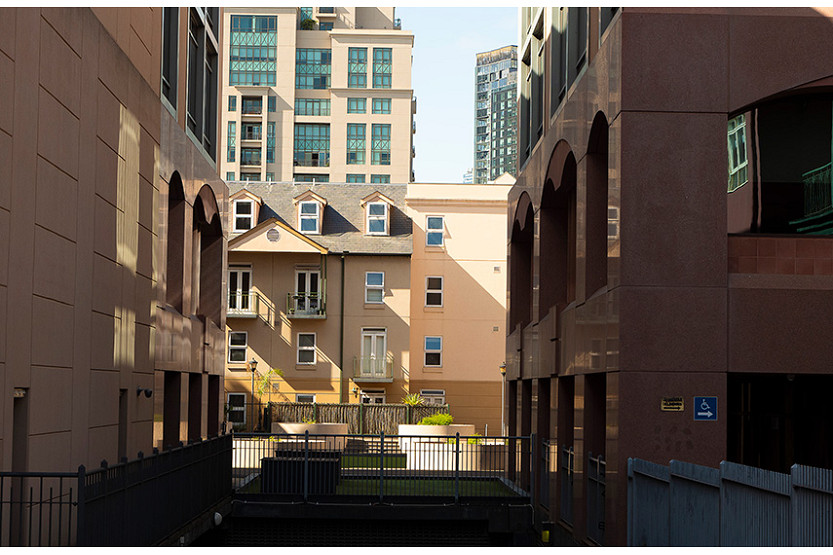
East Melbourne rentals fall short: new report
Research from La Trobe University has found rental properties in East Melbourne ranked among the lowest in Victoria for compliance with minimum standards.
Read More
Pro-Palestine protesters challenge council on free speech amid Carlton meeting room cancellation
Women artists’ society brings 117th annual exhibition to East Melbourne
 Download the Latest Edition