Infrastructure plan puts focus on Carlton, Parkville and East Melbourne
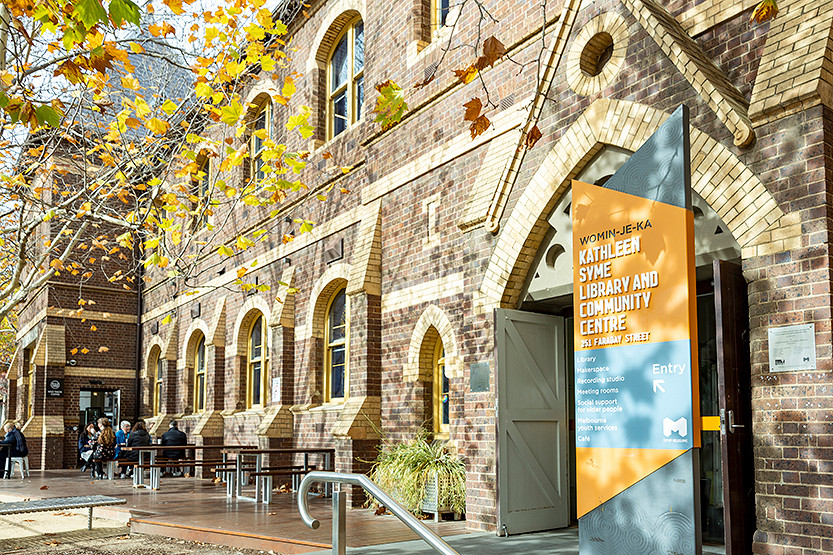

The City of Melbourne’s new 10-year Community Infrastructure Plan has identified early years services, flexible community spaces, open space and partnerships with major institutions as key priorities for Carlton, Parkville and East Melbourne.
The Community Infrastructure Plan 2026–36 was endorsed at the June 16 Future Melbourne Committee meeting, creating a city-wide framework for how the council will plan, deliver, partner and advocate for community spaces over the next decade.
While the plan applies across the municipality, its neighbourhood-by-neighbourhood approach highlights the different pressures facing established inner-city areas such as Carlton, Parkville and East Melbourne, where existing community assets sit alongside major institutions, heritage parks and increasing demand for shared local spaces.
The plan responds to Melbourne’s continued growth, with the municipality’s residential population forecast to exceed 292,000 by 2043, as well as a much larger daily population of workers, students and visitors.
City strategy director Jo Cannington told councillors the plan was a “first of its kind” for the City of Melbourne, bringing together the council’s understanding of its community infrastructure assets with demand over time.
“It doesn’t actually then go to implementation. That will be the next step,” Ms Cannington said.
This is our first step in, I think, a really exciting process.
Carlton and Parkville sit within the plan’s north-east district, alongside City North and North Melbourne. The district is described as having a strong institutional presence and a generally well-serviced but unevenly distributed network of community spaces.
The most significant gaps identified for the north-east are in early years services, flexible bookable spaces, local open space and community gardens.
For Carlton, the plan’s four-year project pipeline includes implementing the Carlton Gardens Masterplan, with a focus on meeting broader regional needs while respecting the gardens’ World Heritage values.
It also identifies longer-term opportunities to support future community needs for arts, cultural and bookable community spaces within existing facilities in Carlton, and to explore redevelopment of Carlton Baths in line with asset lifecycle planning.
That future redevelopment could include flexible community spaces, as well as land for organised and unstructured sport.
For Parkville, the plan points to both the importance of Royal Park and the influence of the growing health and education precinct.
The council will finalise the Royal Park Masterplan to guide future management and development, review existing pavilions for opportunities to improve function and accessibility, and prepare an advocacy position for health and wellbeing spaces as part of the Parkville Precinct Redevelopment.
The plan also identifies the need to respond to increasing demand for maternal and child health and family services in Carlton and Parkville, as well as early years education spaces in Parkville.
Longer term, the council will consider whether a community hub is needed in north-west Parkville to provide programs and services, including flexible community, health and wellbeing spaces.
Another major focus is partnership. The plan says the council will work with universities and other institutions to provide broader community access to existing spaces, particularly for organised and unstructured sport, learning and bookable space.
That includes developing arrangements to support unstaffed and self-managed bookings by the community.
East Melbourne and Jolimont are grouped within the south-east district, alongside Southbank, South Yarra, the Domain Parklands and the sports and entertainment precinct.
The district is characterised by major regional open space and recreation assets, including the Domain Parklands, but also several ageing facilities and growing district-wide demand for early years and bookable spaces.
The plan’s south-east project map identifies East Melbourne Library and Powlett Reserve Community Hub among existing local assets, while broader south-east priorities include increasing and improving open space and advocating for a new secondary school in the district.
Acting Lord Mayor Roshena Campbell, who moved an amended version of the motion, said the plan provided a “much needed reset” by creating a single framework for community infrastructure planning.
“For the first time, we will have a shared transparent view across the city of existing supply, current and future demand and the gaps that we need to address over time,” Cr Campbell said.
The plan also commits the council to annual reporting and a full review every four years. •
Related Articles
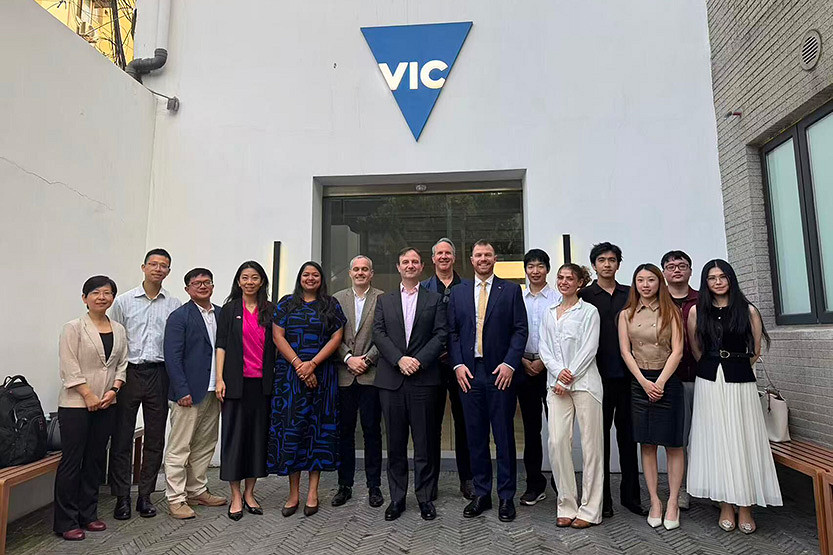
Council backs China and Japan travel report
City of Melbourne councillors have unanimously endorsed a report outlining the outcomes of recent delegations to China and Japan, with the visits focused on sustainability, innovation, trade and international city partnerships.
Read More
Pro-Palestine protesters challenge council on free speech amid Carlton meeting room cancellation
Pro-Palestine activists have staged a concerted confrontation over the City of Melbourne's handling of their activities, asking questions at two recent meetings suggesting anti-Zionism had been wrongly conflated with antisemitism and free speech suppressed by the cancellation of a meeting room booking in Carlton.
Read More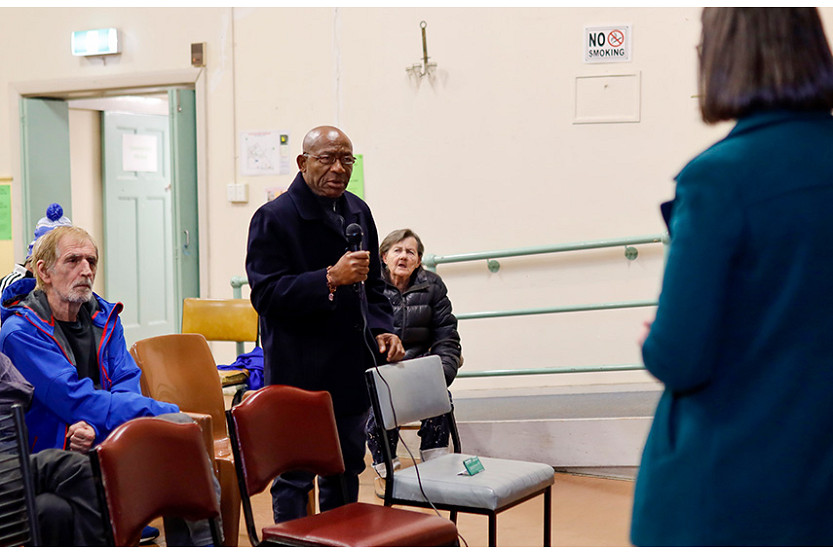
Council engagement to include ongoing listening posts
The City of Melbourne will introduce ongoing councillor listening posts and clearer consultation rules under a new community engagement policy aimed at making public feedback more meaningful.
Read More
Farewell Inner City News – a short but meaningful chapter
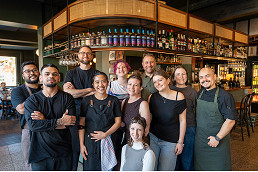
Naughtons to toast 10 years under its current custodians
 Download the Latest Edition