Green groups slam closure of “key” agencies
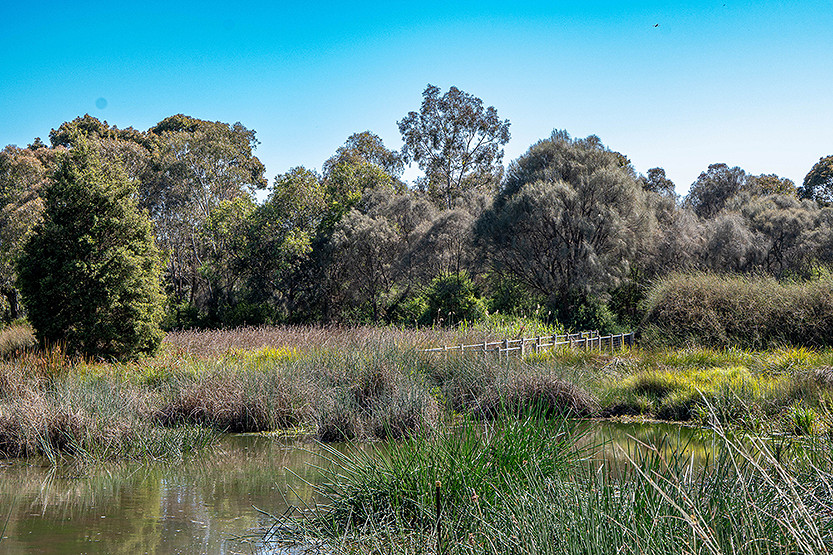
The closure of two “key” East Melbourne-based environmental agencies will “silence expert voices and strip away independent safeguards for nature,” according to green groups, which accuse the government of being “scared of independent expert advice”.
As part of a sweeping review of the Victorian public service, the government has passed legislation dismantling the Victorian Environmental Assessment Council (VEAC) and Victorian Marine and Coastal Council – “key institutions” in the protection of habitats and wildlife, according to several Victorian environment groups.
The two councils, both based at the Department of Energy, Environment and Climate Action (DEECA) in East Melbourne, provided independent, evidence-based advice that underpinned how Victoria’s parks and habitats were planned for and protected, according to the Victorian National Parks Association, The Wilderness Society, Environmental Justice Australia and the Victorian Protected Areas Council.
Cutting them had left nature “without the expert guidance and community input it desperately needs,” they claimed.
The VNPA’s Matt Ruchel told Inner City News VEAC was a “world-leading” organisation, which had more than 50 years played a central role in shaping millions of hectares of national parks and protected areas across the state. It wasn't mentioned in the Silver review of the public service, he said.
The two councils together had probably cost the government less than $2 million a year, he estimated, claiming closing them was “a false economy”.
“It’s clear the environment’s not a priority for the Allan government,” Mr Ruchel said.
The changes – which came on top of “massive cuts to nature staff” last year across DEECA, Parks Victoria and the Victorian Fisheries Authority – passed parliament with the opposition’s backing on March 19, in a bill that included a range of other cuts or mergers of public entities.
Greens MP for Melbourne Ellen Sandell told the parliament the legislation set out “to demolish, gut or merge public entities which play crucial roles” in protecting the environment at a time when Victoria was “in an extinction crisis”.
The loss of VEAC fundamentally left “vital decisions on the management of public land down to short-term political pressure rather than expert advice,” Ms Sandell said.
The government has justified abolishing the agencies by saying it would “reduce duplication”.
While some of VEAC’s functions are due to be transferred to the Commissioner for Environmental Sustainability, the Victorian Marine and Coastal Council has been abolished entirely, the green groups noted, claiming it left no dedicated voice to hold the government accountable on issues like coastal erosion, algal blooms, oil spills and climate impacts on the state’s coasts.
Victorian Protected Areas Council's Dr Geoff Wescott said that the government appeared “to be scared of independent expert advice and community input”.
It has politicised the public service to the extent that they are probably afraid to give independent advice and yet single individuals in the public service have been tasked with highly political roles under the … changes, he said.
The environmental groups were worried also about other institutions flagged for review, including The Scientific Advisory Committee, which provides the pathway for listing new threatened species under Victoria’s state nature laws. •
Related Articles
Union launches petition against zoo cuts
The Community and Public Sector Union has launched a petition against a reported Zoos Victoria plan to cut 70 full-time jobs as part of a restructure of the statutory organisation.
Read More
Bird flu threat raises urban wildlife fears
The likely local impacts of the H5N1 bird flu that has now reached Australian shores are “very hard to know” but could see our urban birds, including swans, parrots and owls, affected.
Read More
Draft urban forest plan looks to protect Parkville’s green character
Parkville’s much-loved green character would be strengthened and made more climate-resilient under a draft urban forest plan set to go before the City of Melbourne on July 7.
Read More
Da Guido La Pasta enters its next chapter
Infrastructure plan puts focus on Carlton, Parkville and East Melbourne
 Download the Latest Edition