Bird flu threat raises urban wildlife fears
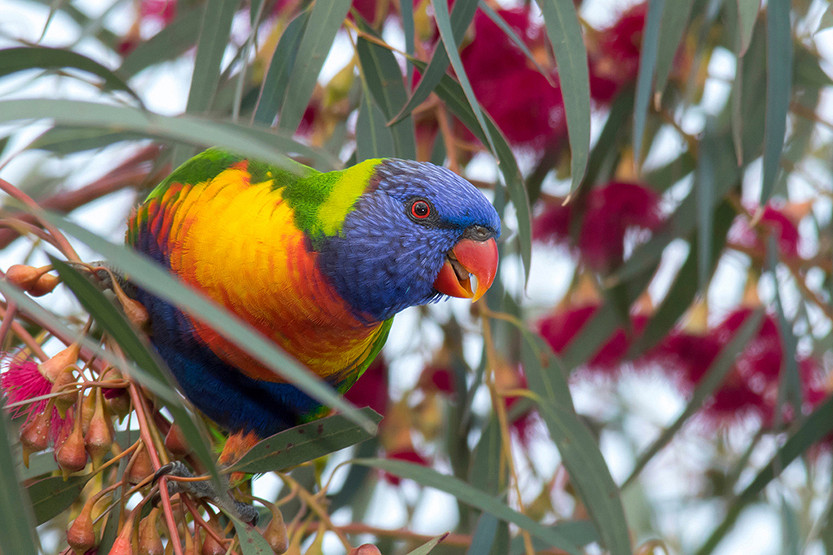
The likely local impacts of the H5N1 bird flu that has now reached Australian shores are “very hard to know” but could see our urban birds, including swans, parrots and owls, affected.
Carlton-based environment group the Australian Conservation Foundation has joined urgent calls for the federal government to establish a $200 million fund to help protect Australian wildlife from a potential bird flu outbreak.
The HPAI H5N1 virus, which was confirmed to have reached the Australian mainland on June 20, is a very serious threat to Australia’s wildlife and biodiversity that could potentially threaten urban birds, the organisation says.
“We can’t be certain how the latest strain of bird flu will affect urban species but the federal government’s Threatened Species Commissioner Fiona Fraser has said all Australia’s native birds and mammals are at risk from H5N1,” ACF nature campaigner Jess Abrahams told Inner City News.
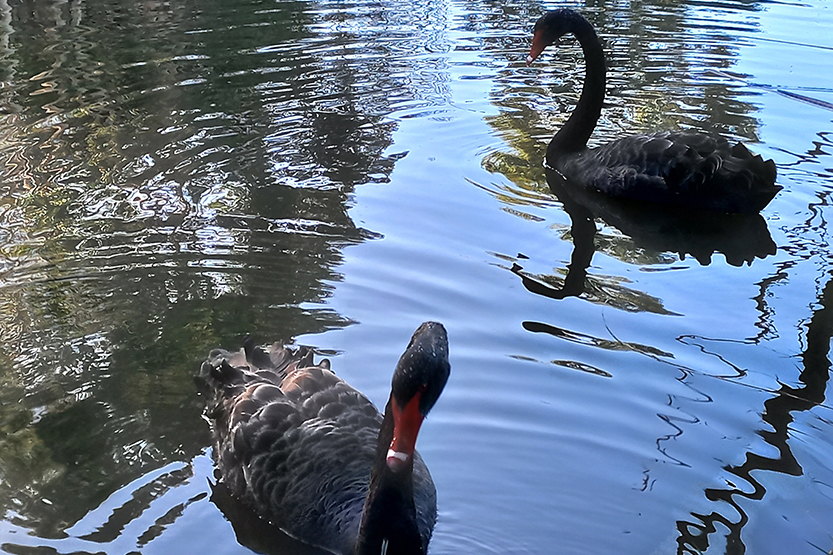
A University of Western Australia study had found black swans to be particularly susceptible to H5N1, he said, and waterbirds that share wetlands and lakes with other birds were believed to have a greater chance of picking up and spreading the virus, particularly through faeces.
Birds of prey and other carnivores were also at risk.
Since emerging in 2020 the current deadly strain of the virus, able to survive year-round in wild bird populations, has spread through Asia and Europe, North America, South America and most recently Antarctica, decimating birdlife and spreading to other wild and domestic species, including cows.
In Peru, it reportedly caused the death of around 40 per cent of all pelicans in less than five months.
Between a third and nearly a half (47 per cent) of all adult northern gannets, which are migratory birds, are estimated to have died from it in 2022.
On Heard Island, in Australia’s Antarctic region, 13,000 baby southern elephant seals, around three-quarters of all pups, were killed by it last summer.
However, it wasn’t inevitable that the virus would spread, unchecked, through wildlife populations around Australia, Mr Abrahams said.
There was still a chance it wouldn’t be seen beyond the WA and SA coasts where it had been found in migratory seabirds.
In any case “a rapid and significant increase in funding … to deliver conservation programs and on-ground resilience plans,” was crucial.
The emergency funding, also sought by the Australian Marine Conservation Society, the Invasive Species Council and Birdlife Australia, would “equip wildlife carers, conservation groups, scientists and state and local governments to do whatever they can” to protect wildlife with the aim of “achiev[ing] and maintain[ing] healthy bird and wildlife populations by mitigating threats and disturbance”.
Asked about the potential impacts of the virus and its preparedness, Zoos Victoria said the Victorian Government had invested more than $130 million since 2023 to boost the state’s preparedness to respond to biosecurity threats such as avian influenza.
Victoria’s environment department had interim plans in place to support land and species managers with biodiversity planning ahead of, and in response to, the detection of H5N1 in Victoria, it said.
The federal environment department said the government had committed more than $113 million to preparing and protecting the nation against H5 bird flu.
The investment had significantly strengthened the nation’s preparedness and response capability, Threatened Species Commissioner Dr Fiona Fraser said.
Anyone who sees five or more sick or dead birds anywhere in Victoria or a single dead seabird or sea mammal should avoid contact with the animals and report them to the Emergency Animal Disease Hotline on 1800 675 888, wildlife authorities and organisations say. •
Related Articles
Union launches petition against zoo cuts
The Community and Public Sector Union has launched a petition against a reported Zoos Victoria plan to cut 70 full-time jobs as part of a restructure of the statutory organisation.
Read More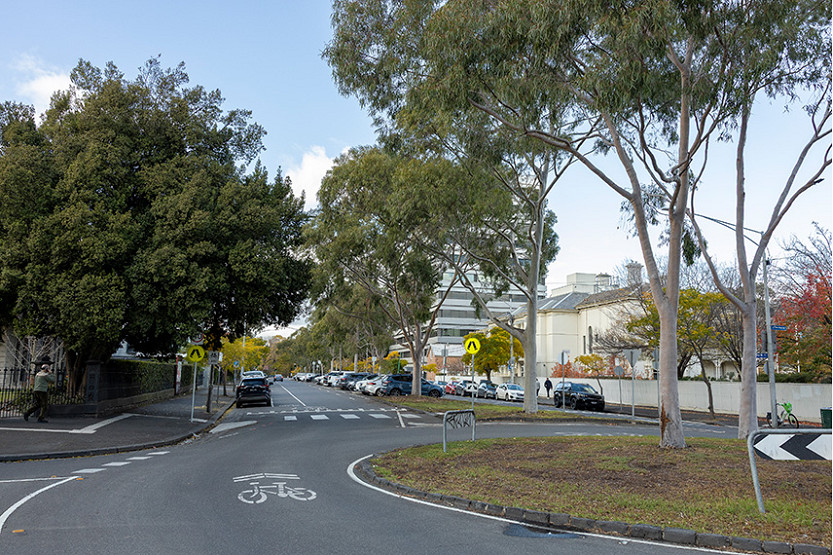
Draft urban forest plan looks to protect Parkville’s green character
Parkville’s much-loved green character would be strengthened and made more climate-resilient under a draft urban forest plan set to go before the City of Melbourne on July 7.
Read More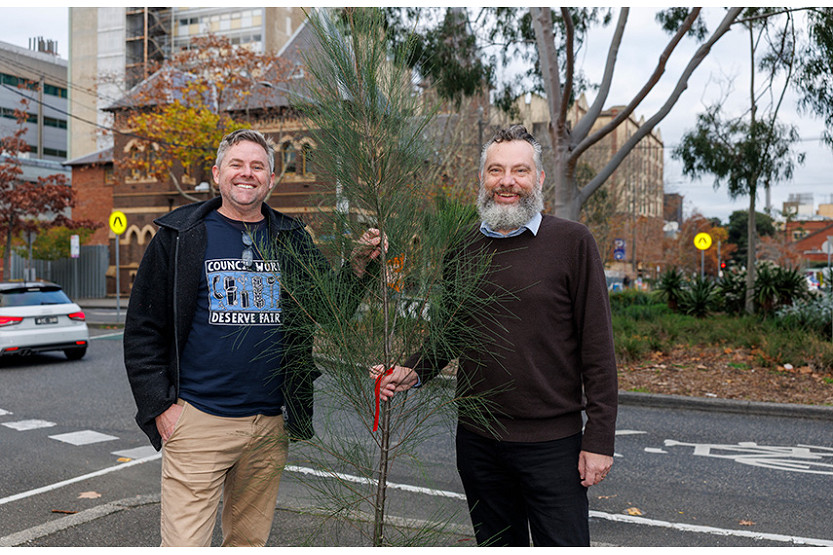
“Tree-thousand” greening milestone marked in Carlton
The planting marks the delivery of the council’s 2026–27 commitment to add 3000 new trees across the municipality as part of its broader Urban Forest Strategy.
Read More
Farewell Inner City News – a short but meaningful chapter

Naughtons to toast 10 years under its current custodians
 Download the Latest Edition