Local sexual health services struggle with demand
Changes to the operation of two of Melbourne’s major inner-city sexual health services at a time when sexually transmitted infection (STI) numbers are soaring have reportedly left some user groups and experts concerned.
The services say the changes are needed to continue to treat patients effectively in the face of increasing demand.
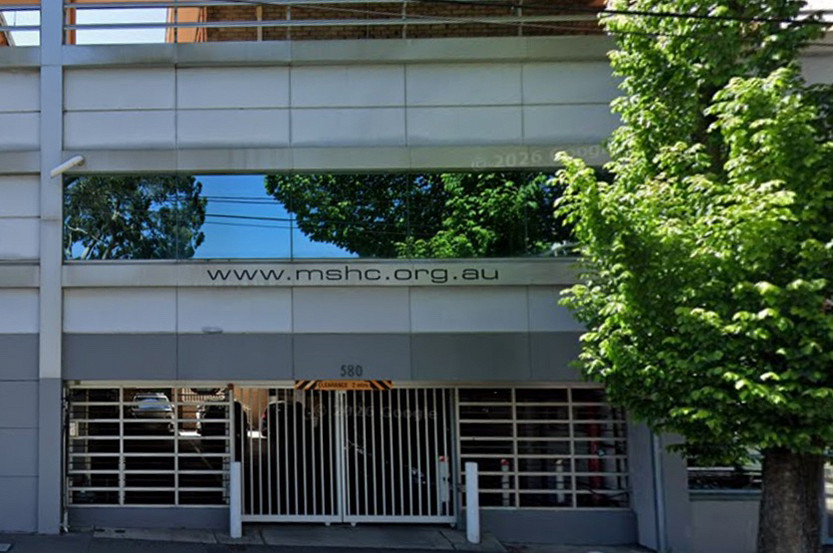
The Melbourne Sexual Health Centre (MSHC) in Carlton, Victoria’s only public sexual health clinic, recently announced an end to its decades-long policy of providing anonymous free walk-in appointments because it had “reached capacity” and had had to turn more than 4000 people away the previous year.
The centre experienced an increase in patient numbers of nearly 30 per cent in the past five years and had had more than 53,000 presentations in 2025.
A move to booked appointments, organised through a telephone triage system, enabled it to prioritise urgent and complex cases and reduce waiting times and congestion, it said.
The Swanston St clinic, which focuses on STIs, HIV care and prevention, as well as research, is now channelling many non-urgent, non-specialist patients to local GPs or other services, which may not bulk bill.
“While a walk-in model once suited the service, significant year-on-year increases in demand meant it was no longer the best approach for our patients or staff,” a spokesperson said.
However, people needing sexual health services were still getting expert care, they said, with most patients given a same-day appointment and people able to remain anonymous if they wanted to, while very vulnerable clients would still be seen on a walk-in basis.
In the CBD, “independent charity” Sexual Health Victoria (SHV), which focuses on reproductive and sexual health care, education and advocacy, is closing its Elizabeth St clinic, channelling all patients, from June 1, to its Box Hill facility.
SHV had 14,350 in-person appointments at the two clinics last year and was currently experiencing increased demand across all appointment types, with wait times averaging around three weeks, a spokesperson said.
Government funding had been consistent but had failed to keep pace with “the rising cost of healthcare delivery, particularly workforce expenses,” SHV said, with “no material review or increase in government funding for SHV in 15 years, beyond basic yearly CPI indexation”.
Meanwhile, according to the organisation, gonorrhoea infections have risen 52 per cent in Victoria in the last five years and chlamydia, the most common STI, by 28 per cent, with more than 22,000 cases reported in the last 12 months, while both syphilis and gonorrhoea have more than doubled nationally over the past decade.
SHV said that it expected increased capacity as a result of an expansion at Box Hill would help reduce wait times and didn’t anticipate any significant change to its “everyBody Education” sexual health programs, which were delivered directly to students in schools, as a result of the CBD closure.
Nor would telehealth services be affected, with future service growth set to focus on expanding this mode of delivery, the spokesperson said.
Media reports suggest a concern among sexual health-related organisations and experts about the situation.
The acting head of HIV/AIDS and LGBTIQ+ health organisation Thorne Harbour Health told the ABC that sexual health services were too difficult to access in Victoria, particularly for young people.
The Burnet Institute’s head of public health Professor Mark Stoove, interviewed by The Age, said that underinvestment by successive governments in sexual health services had put a lot of pressure on the Sexual Health Clinic.
Having only one free public sexual health service for the state was not good enough, he said, with NSW funding 50 such clinics. •
Related Articles
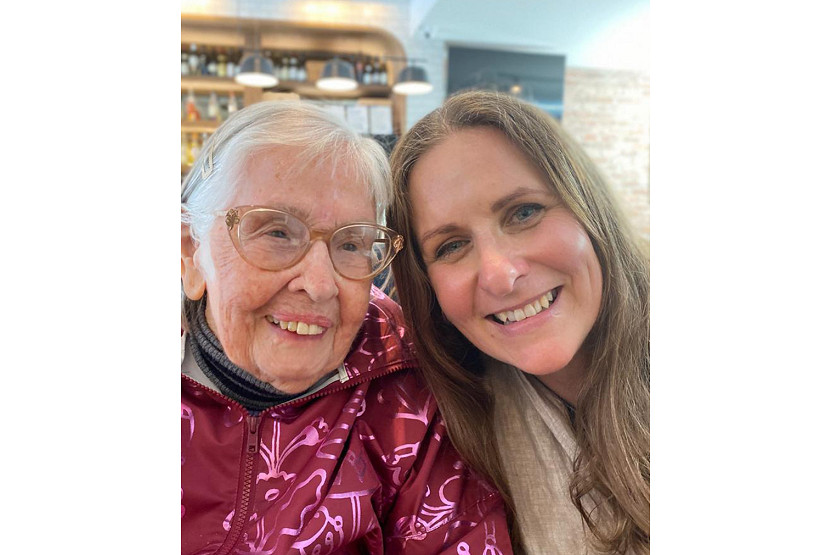
Carlton support worker recognised for bringing joy to local family
A Carlton support worker has been recognised for her compassionate and deeply personal approach to care after being named Victoria’s winner in the 2026 Mable Support Worker Awards.
Read More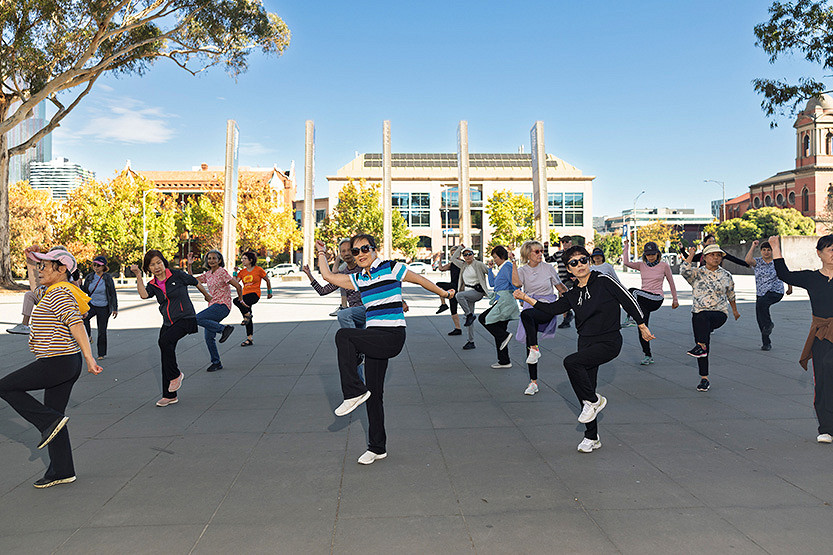
Getting happy on exercise
Motivated by her background and a desire to improve people’s wellbeing, 72-year-old Li Sha started doing exercise and dance sessions outside the Melbourne Museum 13 years ago. For many who have joined in, the experience has been life changing.
Read More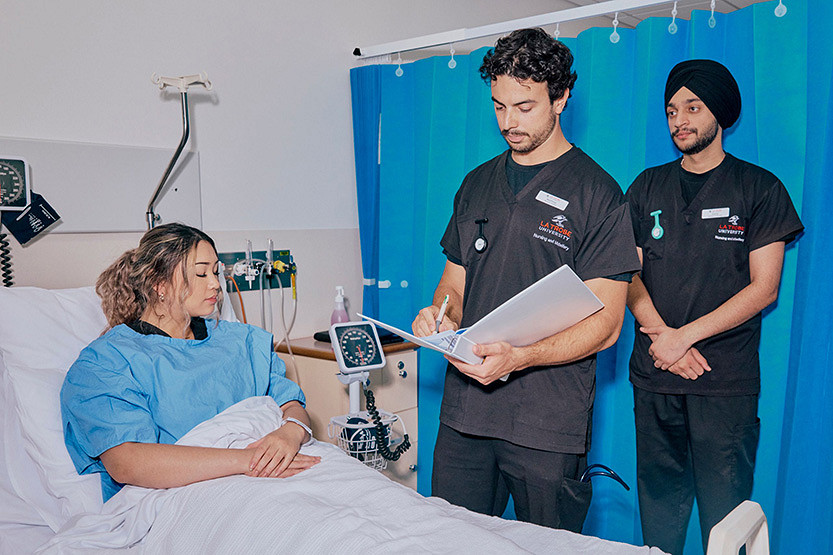
La Trobe University to lead major nursing research partnership in Parkville
La Trobe University has been selected to lead a major new nursing and midwifery research partnership in Melbourne’s Parkville health precinct, in a significant collaboration with three of the city’s leading hospitals.
Read More
Da Guido La Pasta enters its next chapter
Infrastructure plan puts focus on Carlton, Parkville and East Melbourne
 Download the Latest Edition