Tony Birch to give Writers Festival address on the joys and ethics of writing
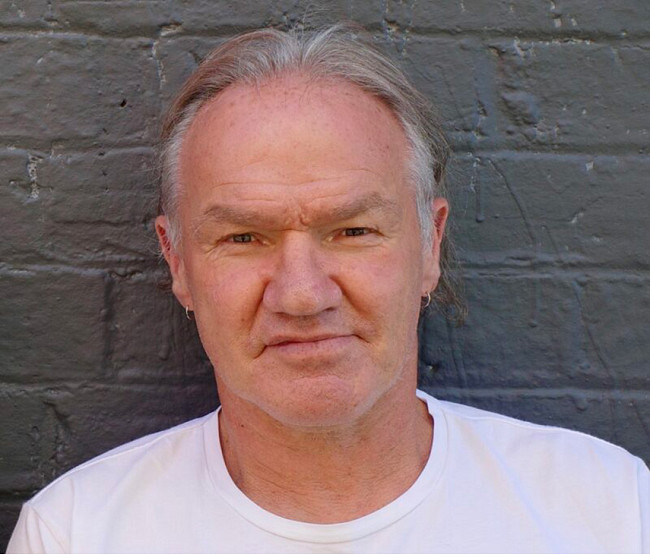
Acclaimed Indigenous writer, teacher and activist Tony Birch, a Parkville resident, is appearing in three events at the Melbourne Writers Festival, one of which is delivering its closing night address – on “the ethical imagination”.
Tony Birch wants to share his work.
“Sometimes people are too cautious about how to engage,” he told Inner City News.
“I'm someone who is dedicated to sharing my work, and I want to share it with non-Aboriginal people in a way that they feel comfortable and that they appreciate the writing.”
The theme for his closing night Melbourne Writers Festival (MWF) address, he says, evolved out of a session with school students, who are sometimes “almost immobilised” by their fear of saying the wrong thing about First Nations texts, given the “200 years of misappropriation of culture”.
“But my approach as a teacher is to say, well, there are ways that we can work together, and there are ways these texts should be taught and read,” he says.
One way is to contextualise them with an appreciation of the “remarkable and extensive volume of work” that is the letters of protest produced by “Aboriginal women around Victoria and Australia who were incarcerated on reserves and missions in the early 20th century”.
Birch sees the women “as sort of the forebears of today's literary culture”.
Their “framework of narrative” about rights for their children informed his prize-winning 2019 novel The White Girl.
The address by the University of Melbourne’s Boisbouvier Chair in Australian Literature will also discuss the work of published contemporary Aboriginal writers Alexis Wright, Melissa Lucashenko, Kim Scott, Ali Cobby Eckermann and Sam Wagan Watson.
And it will consider the issue of cancellation and the way writers have in recent years come to be framed as spokespeople on subjects such as the war in Gaza.
“I've engaged with those issues, but some writers don't, and I think … that's fine, because I think that some writers, [either] don't feel capable of entering that public debate or they simply may not feel that that's what they're writing is concerned with,” Birch tells Inner City News.
“My position in regard to Gaza is [for] people who aren't directly affected or involved in it, “it might be better if we take a position of being better listeners”.
One way he has done that is by getting involved in an independent Palestinian-led initiative to teach online workshops to university students in Palestine in the attempt to help them “improve their writing or find ways that their writing reaches an audience”.
“I think that I can do something more important as a teacher, rather than speaking on someone else's behalf,” he says.
Birch has been helped by Dr Nick Robinson at Melbourne University in participating in the initiative, which has recently won funding from the British Council of Palestine, he says.
While the responsible reader listens and reads closely, learns from the experience and is attuned to historical links and contemporary developments in the social and literary landscape, the relationship between reading and social change is mysterious, according to Birch.
“The fact is that there are many people out there, thousands of people, reading books, and we don't know the impact, we can't quantify it,” he says.
“We just hope that people engage and they learn from it.
“Some people will and some won't. To what extent … we don't know. It's a mystery.”
Tony Birch will present the MWF closing night address on May 10 at the Capitol. The Melbourne Writers Festival runs May 7 to May 10. •
Related Articles
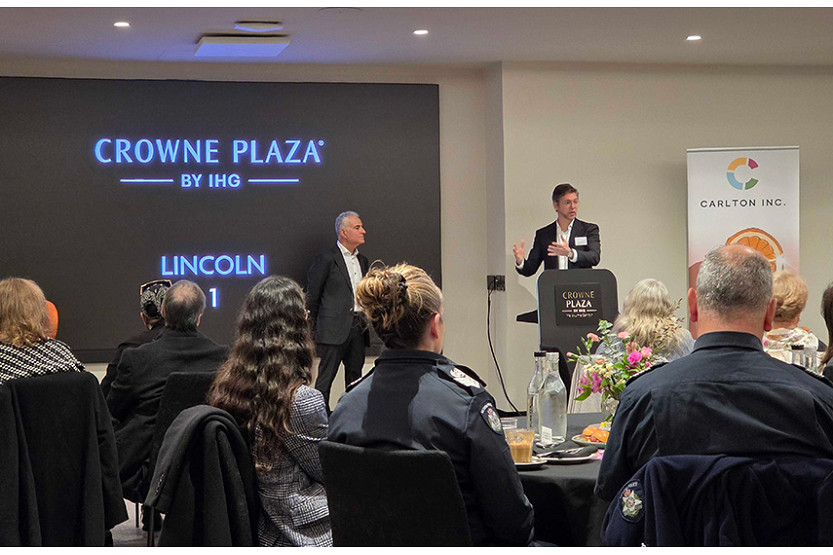
Carlton’s future takes shape around the breakfast table
If the discussion at Carlton Inc’s quarterly networking breakfast is anything to go by, the future of Carlton will be built through collaboration.
Read More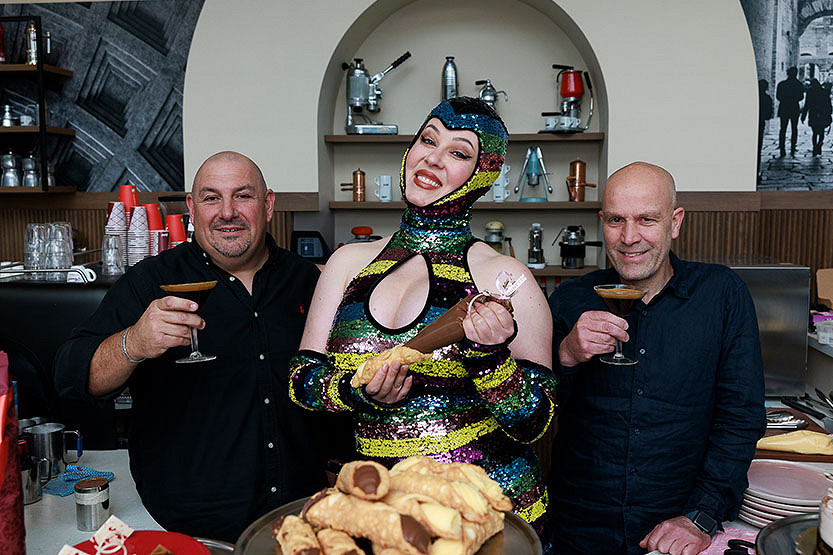
Discoteca Italiana brings Italian buzz to Melbourne Museum
Melbourne Museum will be transformed into a one-night-only Italian nightlife experience on Saturday, June 6, as Discoteca Italiana brings music, food, dancing and after-hours exhibition access to Carlton.
Read More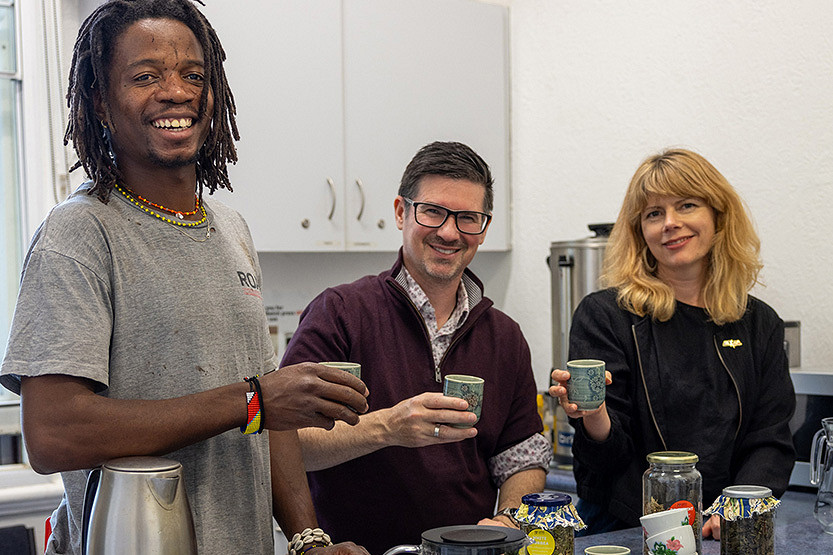
Carlton lunch to celebrate food, friendship and community connection
Long shared tables, home-style food and live music will transform a Carlton community space next month, as residents gather for a free lunch designed to bring people together.
Read More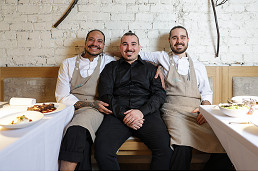
Da Guido La Pasta enters its next chapter
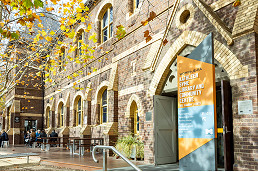
Infrastructure plan puts focus on Carlton, Parkville and East Melbourne
 Download the Latest Edition