Listening to the priorities shaping East Melbourne, Carlton and Parkville
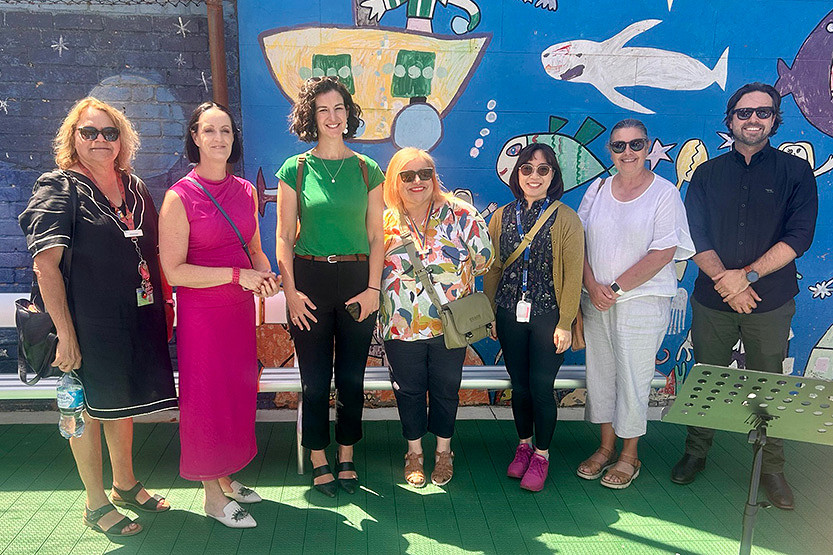
East Melbourne, Carlton and Parkville each have their own distinct character, but together they form one of the most vibrant and interconnected parts of our city.
Over the past few months, I’ve spent time across these neighbourhoods listening to residents, workers, students and local organisations, and what stands out is a shared commitment to community alongside a clear set of local priorities.
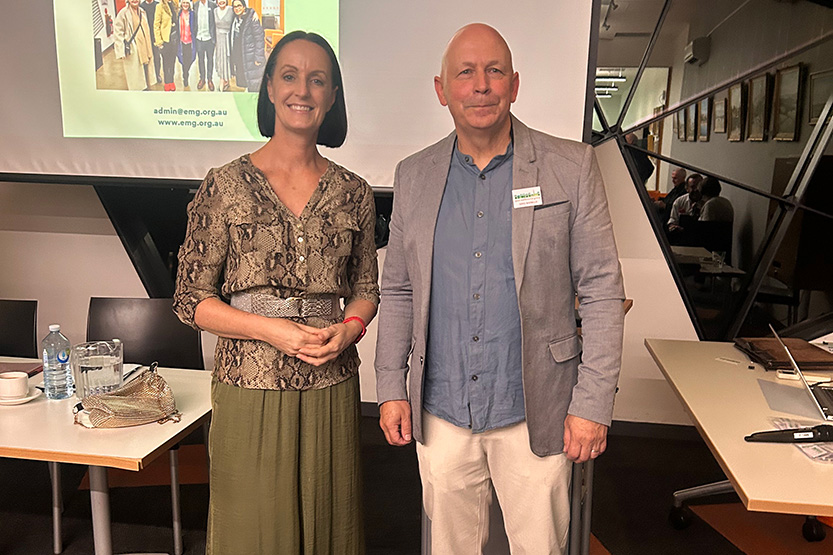
In East Melbourne, conversations often begin with liveability. With its historic streets, proximity to the CBD and important institutions, it is a suburb that balances heritage with change. At a recent meeting with the East Melbourne Group, residents spoke about the importance of preserving that character while also ensuring essential services, transport access and public amenities keep pace with the needs of a growing population.
Just across the way in Carlton, the energy is different but equally compelling. Carlton is defined by its diversity, with students, long-term residents, small businesses and cultural institutions all contributing to a dynamic local environment. Spending time along Lygon St and in surrounding areas, I’ve heard directly from traders navigating cost pressures and changing patterns of foot traffic. At the same time, community organisations continue to play a vital role in supporting vulnerable residents, particularly in public housing communities. Attending the welcome assembly at Carlton Gardens Primary School, I was reminded of the diversity and strength of the wider Melbourne community.
Parkville brings yet another dimension. As home to major hospitals, research institutions and the University of Melbourne, it sits at the forefront of education, healthcare and innovation. Meeting with staff, students and researchers, there is a strong sense of purpose, but also an awareness of the pressures facing these sectors. In conversations with stakeholders, including the Florian Institute, it is clear how much important work is being done, and how much potential there is to do even more. Workforce challenges, funding constraints and the broader cost of living all have an impact here, not just professionally but personally.
Across all three areas, housing remains a central issue. Whether it is students seeking affordable accommodation, key workers wanting to live close to where they work, or long-term residents concerned about affordability, the message is consistent: we need more housing options that are accessible and sustainable. That is why I have continued to advocate for increased investment in social and affordable housing, alongside policies that support renters and help maintain community stability.
Open space and amenity are also recurring themes. From the parks of East Melbourne to the shared public spaces of Carlton and the institutional precincts of Parkville, people value places where they can connect, exercise and take time out from the pace of the city. Protecting and enhancing these spaces is an important part of planning for the future.
In Parliament, I’ve been working to ensure national decisions reflect these local realities. Investments in healthcare and medical research have a direct impact in Parkville. Support for small business and cost-of-living relief matters deeply in Carlton. Infrastructure and service delivery shape everyday life in East Melbourne. Representation means connecting these local experiences to broader policy outcomes.
What has impressed me most is the level of engagement across these communities. People are informed, thoughtful and willing to contribute to conversations about the future of their neighbourhoods. That engagement is a strength. It helps ensure change is guided not just by policy, but by the lived experience of those who call these areas home.
Each of these suburbs will continue to evolve, as all cities do. The challenge is to manage that change in a way that preserves what people value while creating new opportunities for the future.
From what I’ve seen so far this year, there is a strong foundation to build on. East Melbourne, Carlton and Parkville are not just places of activity, they are communities with a clear sense of identity and a shared interest in shaping what comes next.
My role is to listen, to represent and to work towards outcomes that reflect those priorities, ensuring these neighbourhoods remain inclusive, liveable and connected parts of Melbourne for years to come. •
Related Articles
Melbourne is inclusive, creative, sustainable and confident in its diversity
It’s a privilege to spend so much of my time in places where Melbourne comes together to celebrate, to belong, and to imagine what comes next.
Read More
Da Guido La Pasta enters its next chapter
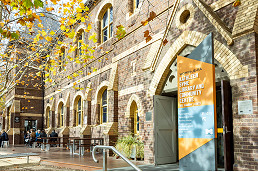
Infrastructure plan puts focus on Carlton, Parkville and East Melbourne
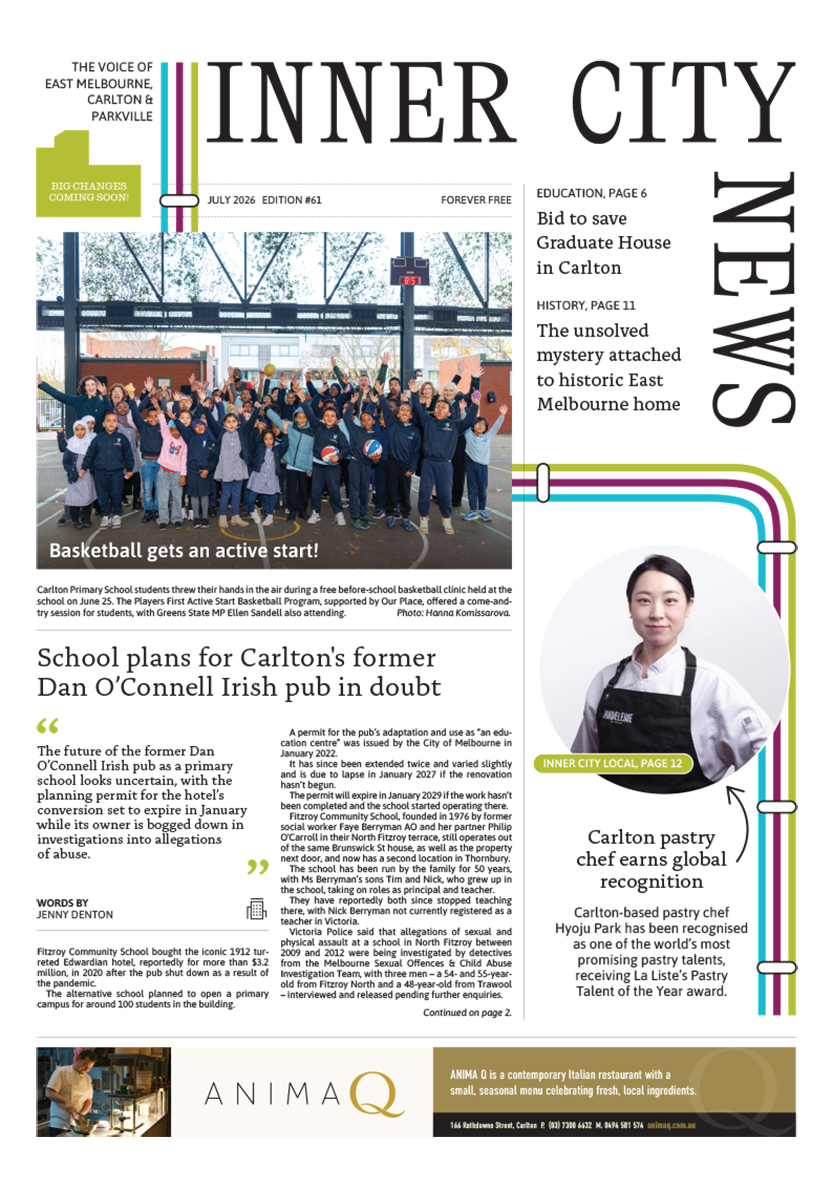 Download the Latest Edition