A cup of tea cannot be downloaded
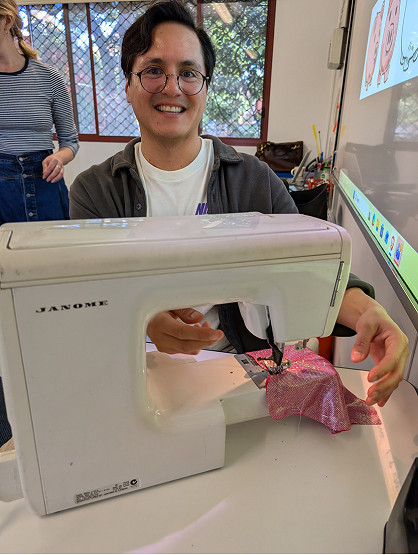
Six years of my working life were spent in Aotearoa New Zealand campaigning against pokies with the Problem Gambling Foundation. What I learned sitting with people whose lives had been hollowed out by those machines has stayed with me.
Pokies are not accidents. They are designed, feature by feature, sound by sound, to hook people and keep them hooked.
I think about that work often now, when I watch what is happening with social media and the new wave of AI tools. They are being built using the same playbook. Endless scroll. Variable rewards. Notifications timed to catch you at your weakest moment. The people who design these products know exactly what they are doing. Our attention is the jackpot, and we are the ones being played.
I am the first to admit I am a doomscroller, particularly between the hours of 3am and 5am. Not ideal. Of all people, I should recognise the signs of a product designed to addict. The pokies work taught me exactly what these things do. I still scroll.
What worries me most is not the screens themselves. It is what they are quietly replacing.
The surveys keep telling us the same thing. People are lonelier than ever, and young people most of all. You can have a thousand followers and still have no-one to call when your car breaks down. A direct message is not a cup of tea. A heart emoji is not someone sitting beside you on a garden bench while the kettle boils.
This is where Neighbourhood Houses do something remarkable. They are places where people actually meet each other. A cooking class. A knitting circle. A chess game. A walk around the vegie garden. Someone new showing up for the first time and being offered a biscuit. These are small things, and they are everything.
The hunger for that kind of connection is showing up in unexpected places. In February 2024, three friends in the Netherlands – Jordy van Bennekom, Valentijn Klok and Ilya Kneppelhout – opened the doors of a small Amsterdam venue called Café Brecht and asked everyone who walked in to lock their phone in a wooden box for the next two hours. They called it The Offline Club. Within a month they had picked up 125,000 followers on Instagram, which is its own little irony. Their gatherings have since spread to cities including London, Copenhagen, Barcelona and Lisbon, with tickets often selling out within minutes.
What happens once the door closes is surprisingly simple. People hand over their phones and spend time reading, drawing, knitting, playing cards or quietly talking with strangers. Some sessions include periods of silence followed by conversation. Soft music plays. People end up swapping book recommendations or simply sitting together without needing to perform for anyone.
Leah Davies, a young woman from Wales, told one reporter she had seen a post showing people reading and playing piano together and was struck by the simple appeal of going somewhere where you weren’t checking your phone all night. That is the whole pitch. People are paying money to be told, gently, to put the thing down.
The strange thing is that we now need organised events to recreate what used to happen naturally. A cup of tea, a book on your lap, someone across the room asking what you’re reading – none of that used to be a movement. It was just Tuesday afternoon.
That is, in a sense, the work Neighbourhood Houses have been doing for decades, before there was a name for it. Carlton’s doors are open, no ticket required. The phone stays in your pocket if you want it to. Someone will know your name by the second visit.
AI will write our emails and plan our holidays. It cannot pour you a cup of tea. It cannot sit in the quiet with you. It cannot learn your name the way the staff and community members at your local Neighbourhood House, including ours at Carlton, will.
Some things only humans can give each other. If you pass an open door with a warm light inside, you might just walk in. •
Related Articles
From Carlton’s patchwork quilt to centre stage: celebrating Elle Morrell’s 10 years at CNLC
When Elle Morrell applied for a job at Carlton Neighbourhood Learning Centre (CNLC) 10 years ago, she had a confession to make, at least to herself.
Read More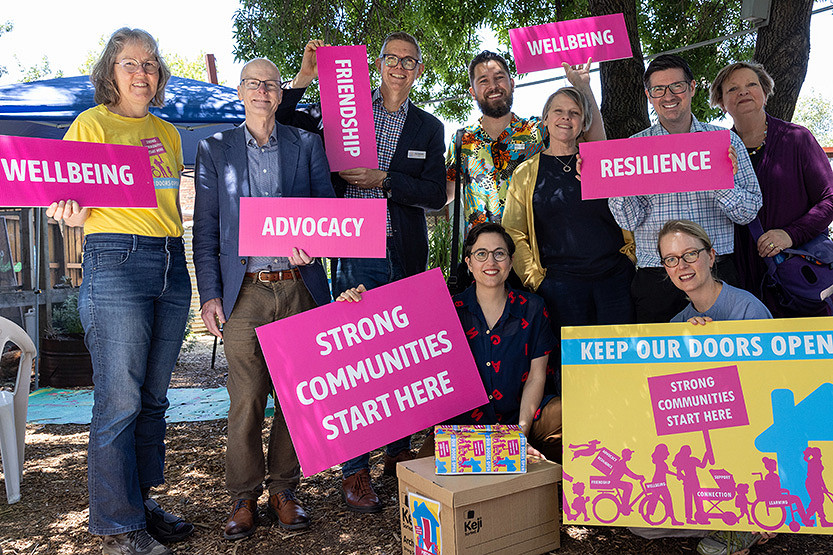
Why Neighbourhood Houses need fair funding to keep their doors open
On Thursday, December 11, more than 125 community members gathered at Carlton Neighbourhood Learning Centre for a simple but powerful act: handing over the voices of our community to their local representatives.
Read More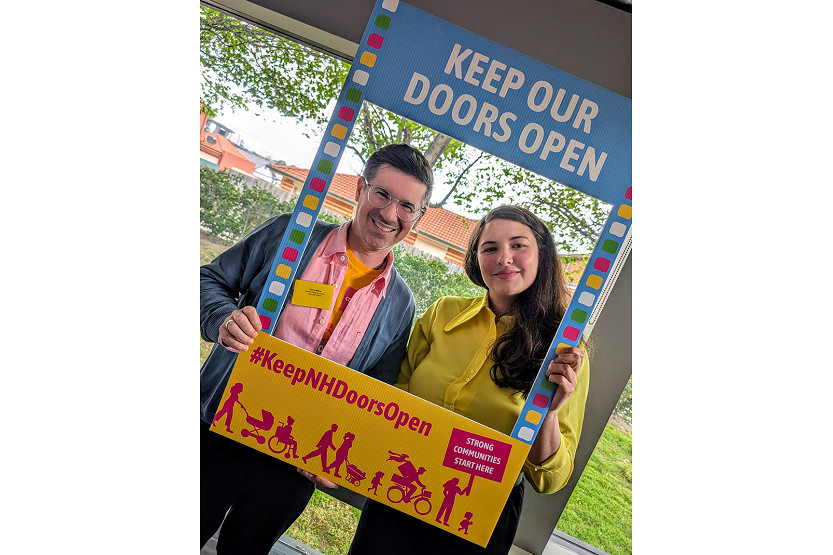
Keep our doors open: Why Neighbourhood Houses matter
Walk past Carlton Neighbourhood Learning Centre on any weekday morning and you’ll see what community looks like …
Read More
Da Guido La Pasta enters its next chapter
Infrastructure plan puts focus on Carlton, Parkville and East Melbourne
 Download the Latest Edition