“Turn off the lights”: ongoing frustration over floodlit ovals in Royal Park
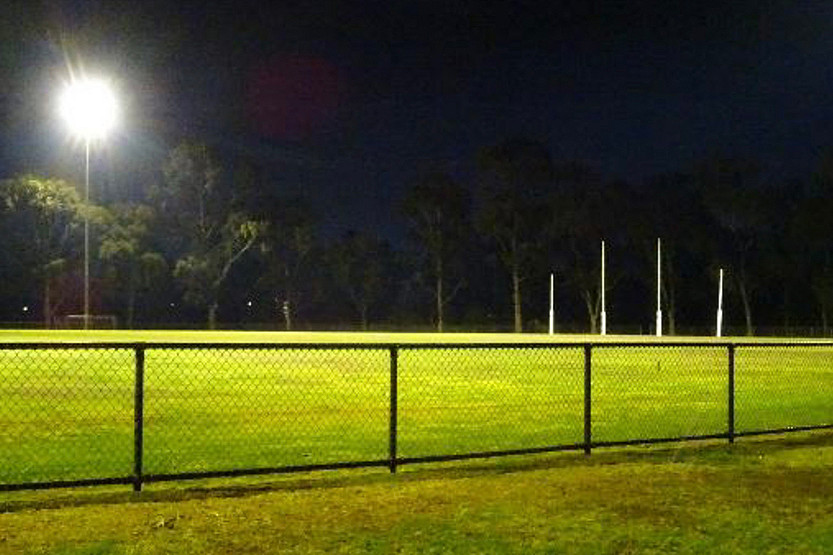

Friends of Royal Park has again urged the City of Melbourne to take decisive action to address concerns over excessive night-time lighting at the park’s sporting ovals, accusing the council of breaching its own commitment to preserve Royal Park’s “dark space” status.
In a letter dated July 21 addressed to City of Melbourne CEO Alison Leighton, the local advocacy group slammed the council’s “flagrant disregard” for environmental principles and responsible energy use, citing ongoing instances of floodlights left on at multiple sports ovals despite no activity taking place.
The group’s secretary Kaye Oddie wrote that the issue was first raised in August last year with photographic evidence and examples but claimed the council’s response had been “underwhelming” and the problem had persisted.
“Last year, the Friends of Royal Park wrote to council … expressing concern about floodlights at the six sports ovals in Royal Park blazing away, despite there being no activity on the ovals,” the letter read.
“A year down the track, the unacceptable practice continues.”
On the evening of July 17, the group documented the Western Oval floodlit and vacant while other ovals were in use, labelling the ongoing issue as irresponsible and at odds with the council’s Public Lighting Strategy 2021.
Royal Park is designated as a “dark space” under the strategy, which calls for minimising light pollution to protect natural habitats and promote biodiversity. The policy states that sports lighting should only operate during activity and must be turned off by 10pm.
The group has also questioned why floodlights at North Park Tennis Courts are allowed to remain on until 11pm.
“It is totally inexcusable and irresponsible for the City of Melbourne to allow the waste of energy in tower floodlights blazing away for hours … how many nights of the week … of the year … how extensively across its sports ovals throughout the municipality?” the letter read.
In a previous response to the group in August 2024, the council’s director of recreation and waterways Anthony Neal acknowledged the concern, explaining that sports oval lights were managed by an open space contractor and pre-set according to seasonal ground allocations. Cancellations due to weather or scheduling conflicts may not be reflected in real-time.
Mr Neal said the council was working with contractors to improve programming and exploring new technologies to provide real-time control, while also proposing future changes in the draft Royal Park Master Plan.
The draft plan, endorsed by councillors for community consultation in September 2024, proposes better lighting management as part of a broader ecological strategy. But community groups have expressed concern that the plan does not go far enough.
During the September 10 Future Melbourne Committee meeting, Parkville Association president Rob Moore said the draft “looks more like we’re trying to create a theme park, not a bushland park,” citing lighting among the key issues.
Friends of Royal Park has proposed multiple solutions, including motion sensors, dimmable lights, improved booking systems, and compliance measures to reduce unnecessary lighting.
But their message remains clear: “the City of Melbourne must lead by example … We reiterate our call – turn off the lights.” •
Related Articles
Council backs China and Japan travel report
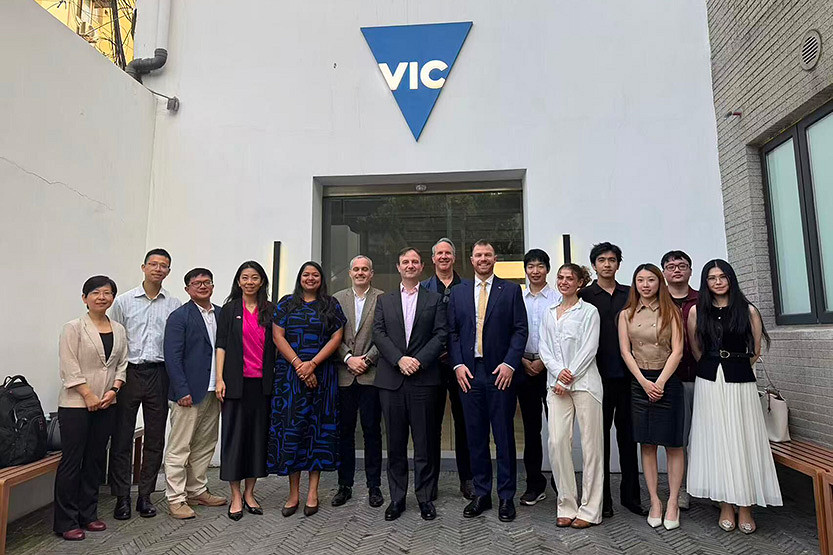
City of Melbourne councillors have unanimously endorsed a report outlining the outcomes of recent delegations to China and Japan, with the visits focused on sustainability, innovation, trade and international city partnerships.
Read More
Pro-Palestine protesters challenge council on free speech amid Carlton meeting room cancellation
Pro-Palestine activists have staged a concerted confrontation over the City of Melbourne's handling of their activities, asking questions at two recent meetings suggesting anti-Zionism had been wrongly conflated with antisemitism and free speech suppressed by the cancellation of a meeting room booking in Carlton.
Read More
Infrastructure plan puts focus on Carlton, Parkville and East Melbourne
The City of Melbourne’s new 10-year Community Infrastructure Plan has identified early years services, flexible community spaces, open space and partnerships with major institutions as key priorities for Carlton, Parkville and East Melbourne.
Read More
Farewell Inner City News – a short but meaningful chapter

Naughtons to toast 10 years under its current custodians
 Download the Latest Edition