The Servants Training Institute
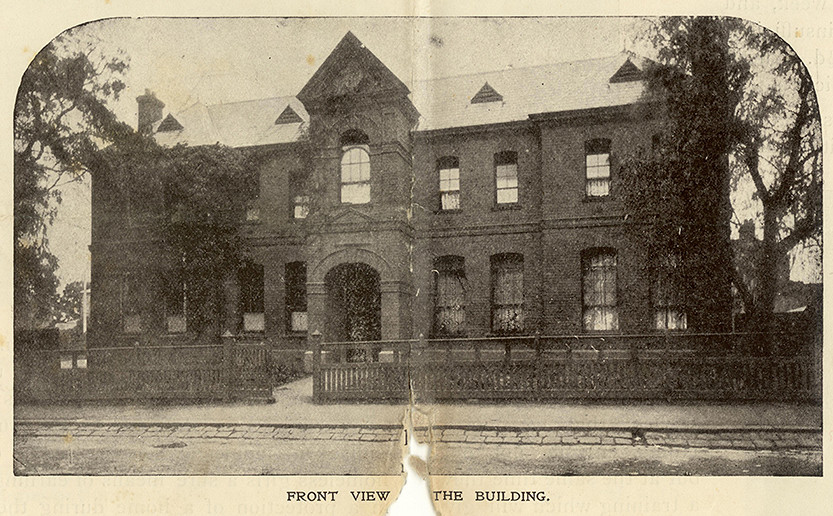

On the western side of Berry St, East Melbourne, there once stood a large red brick building known as the Servants’ Training Institute.
It came into being following the 1872 Royal Commission into Industrial and Reformatory Schools, which condemned on several grounds the industrial school system for its care of neglected children.
To improve the system children were increasingly placed with foster families, under regular supervision by honorary local Ladies Visiting Committees. Some of these women had the idea that girls coming out of the industrial schools or foster homes would benefit by training in the domestic arts in order to more easily find work.
A committee was formed, with Mrs Moorhouse, wife of the Bishop of Melbourne, as president. The institute was initially established in The Vaucluse, Richmond until such time that it received a grant of land.
The Berry St land was granted in 1882. Fundraising began in earnest. Mrs Austin of Barwon Park promised £700 on the condition that another £1400 was raised by the end of the year.
The architectural firm of Grainger and D’Ebro was instructed to draw up plans for a suitable building, and the Servants’ Training Institute was born.
It opened in 1883. It was described by the matron’s assistant as “Gaunt, bare, square, and grim” “with a hard, red front”. It had 16 rooms, including two large dormitories and a schoolroom. The initial intake was 28 girls generally between the ages of 12 and 15. The government paid the sum of 5s (50c) weekly for the upkeep of each trainee, with the remainder raised by private subscription. Two hours every day was devoted to ordinary school instruction, and during the rest of the day the girls were trained in cooking, plain sewing, laundry, and housework. The girls wore a uniform of dark blue serge with white apron and hat.
At the end of their training the institute found placements for the girls, but they remained under its supervision. Their wages were deposited in a savings bank and became available to them at the age of 18, when they were free to do as they pleased.
The institute struggled from the beginning. It failed to attract trainees in the numbers hoped for. Presumably the girls, and their families, thought it better to find a job on leaving school rather than wasting time with more lessons. Financial support also fell short of the mark. Then adding to the existing problems was the reduced demand for domestic staff after the end of the war. The institute finally closed in 1923.
The building was used by a number of different charitable institutions over the following decades but was eventually demolished in 1976. •
Caption: Servants Training Institute. Brochure. Archives of Holy Trinity Church, East Melbourne.
Related Articles
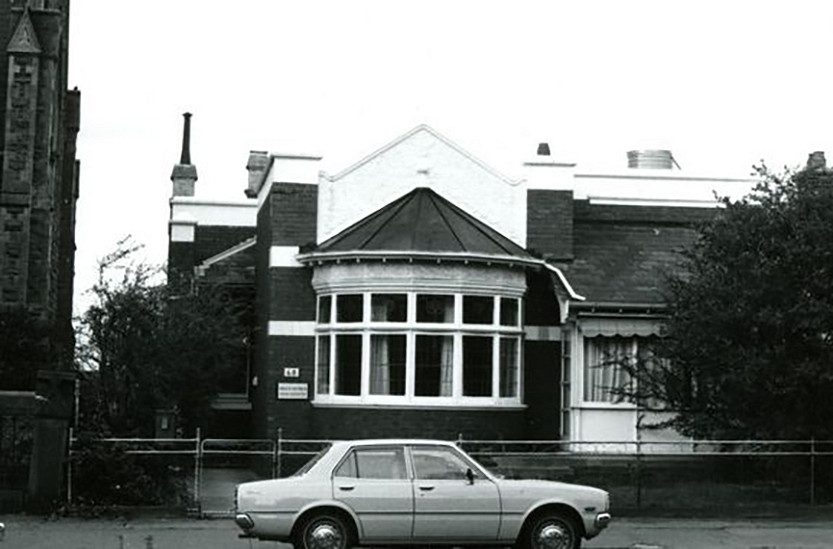
The International Club of Victoria
The relatively modest house at 68 Powlett St, East Melbourne once went by the rather grand name of the International Club of Victoria.
Read More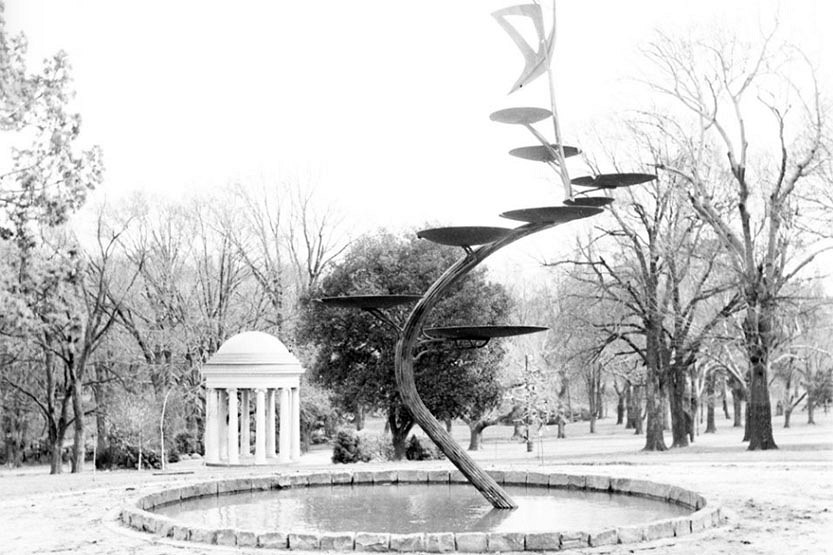
The Dewdrop Fountain, Fitzroy Gardens
On a piece of flattish ground near the Gipps St and Clarendon St corner of the Fitzroy Gardens and directly in line with Bishopscourt there once stood a rather impressive fountain.
Read More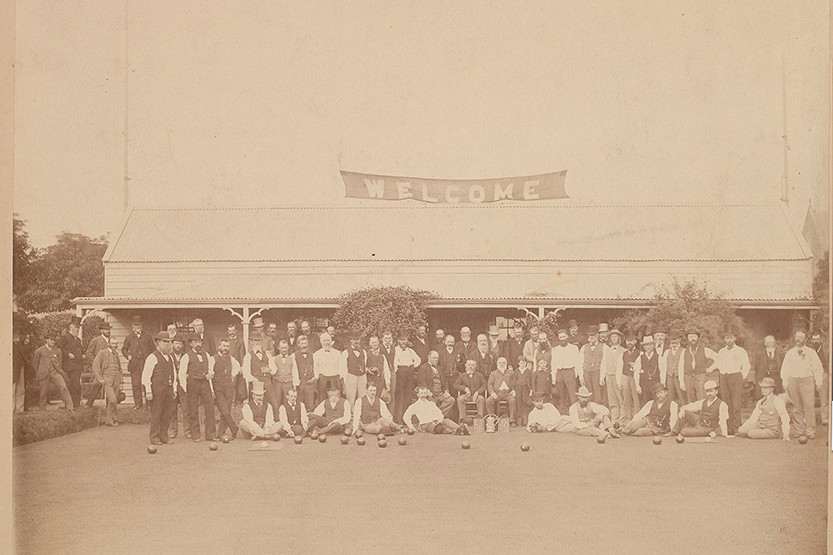
The Fitzroy and East Melbourne Bowling Club
In Fitzroy in 1865 the idea of a local bowling club finally came to fruition. A committee was elected. The name was confirmed as the Fitzroy Bowling Club and rules were put in place.
Read More
Farewell Inner City News – a short but meaningful chapter
Naughtons to toast 10 years under its current custodians
 Download the Latest Edition