The International Club of Victoria
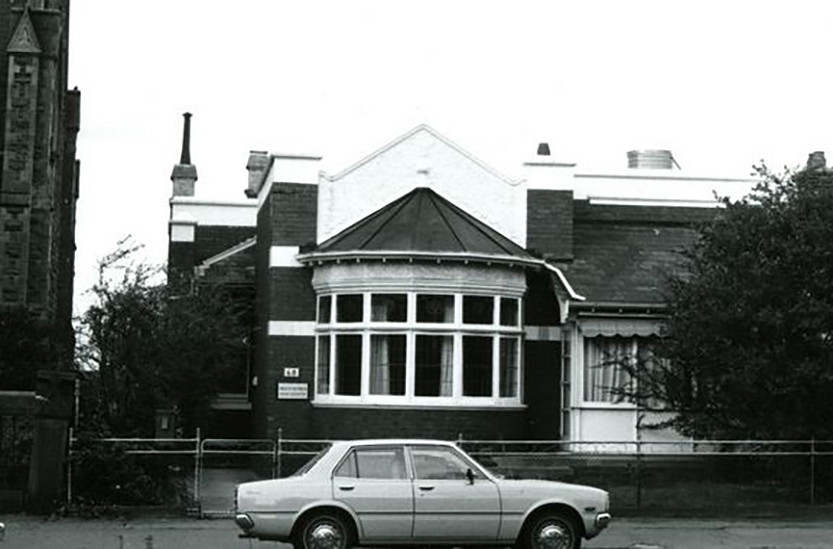

The relatively modest house at 68 Powlett St, East Melbourne once went by the rather grand name of the International Club of Victoria.
The club was founded in 1933 by Mrs Herbert “Ivy” Brookes, the eldest daughter of Alfred Deakin. Her husband was a brother of the tennis player Sir Norman Brookes. Mrs Brookes remained the club’s president throughout its existence.
The club’s purpose was: “to provide a meeting place where residents of Melbourne may meet members of national groups who may be either living in, or visiting, Melbourne, where members of individual groups can meet one another, and where distinguished visitors to Victoria may be entertained. It is hoped by this means to promote that friendship and understanding which is vitally necessary to the peace of the world.”
By the end of 1952, the club had more than 400 members, “half British and half representing nationals of 39 different countries”. It had outgrown its city premises and was forced to search for something larger, which resulted in the move to Powlett St.
The new rooms were opened on July 7, 1952, by Sir Dallas Brooks. Thirty national flags decorated the verandah, each representing the different nationalities among the 250 guests.
The rooms were simply but comfortably furnished and included a card room and a large lounge. The main reception room led to a glassed-in back verandah set aside for dancing. Future plans included turning the walled yard into a Continental garden, with rustic tables and chairs.
The club hosted a variety of events showcasing the culture of countries near and far, including fetes, exhibitions, talks, concerts and cooking demonstrations.
In 1956, Indonesian Mrs Derry Salim spoke on her country’s cooking. Mr P. Miskin, head of catering for the upcoming Olympic Games, was among the audience of 60, picking up some hints.
At the club’s Christmas party that year, members of national groups sang carols among the illuminated Christmas trees. The annual ball, held elsewhere, was always a highlight.
In 1954, the club opened a café, which operated from 10am to 8pm each day, providing tea and biscuits until 7.30pm. Members were required to produce their membership cards and sign for their guests.
Despite its apparent success, the club closed in 1958. It is possible the Olympic Games were, at least in part, responsible for its demise. In a few short weeks they had done more to promote international goodwill than the club had ever done, or could do, and in their aftermath the club’s work may have seemed less important.
The property was sold and £5000 of the proceeds was given towards the establishment of International House at the University of Melbourne. •
Related Articles
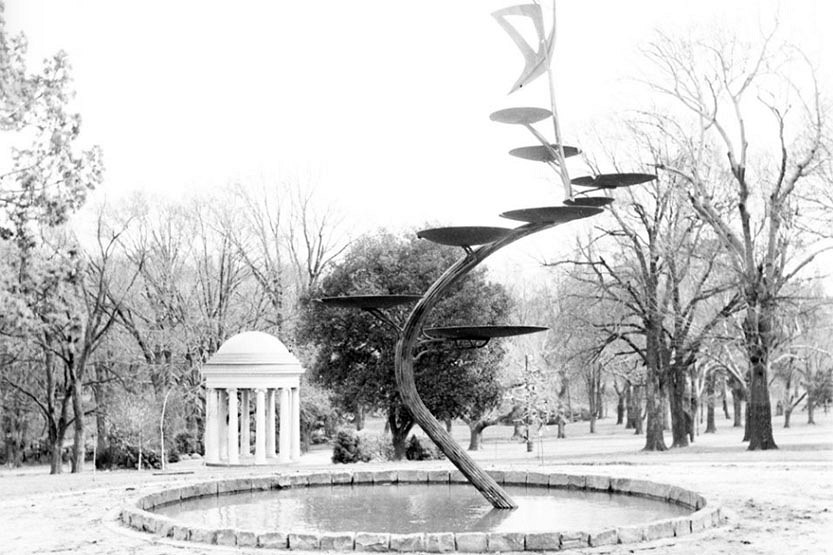
The Dewdrop Fountain, Fitzroy Gardens
On a piece of flattish ground near the Gipps St and Clarendon St corner of the Fitzroy Gardens and directly in line with Bishopscourt there once stood a rather impressive fountain.
Read More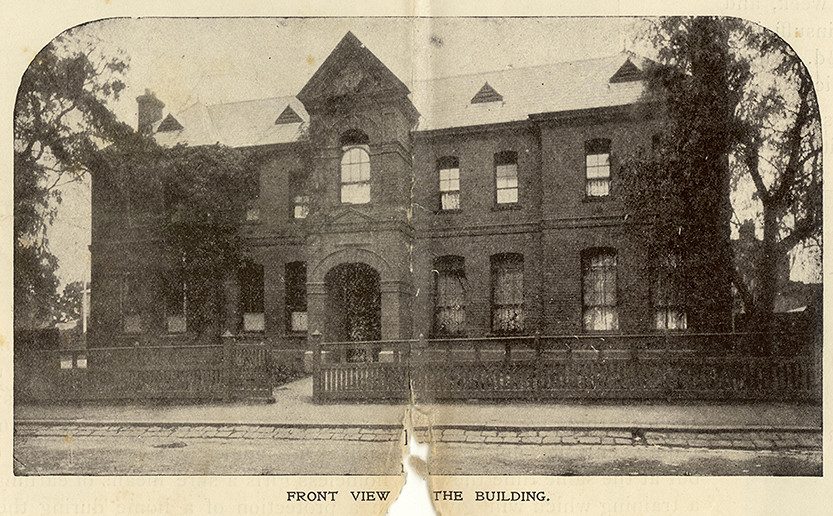
The Servants Training Institute
On the western side of Berry St, East Melbourne, there once stood a large red brick building known as the Servants’ Training Institute.
Read More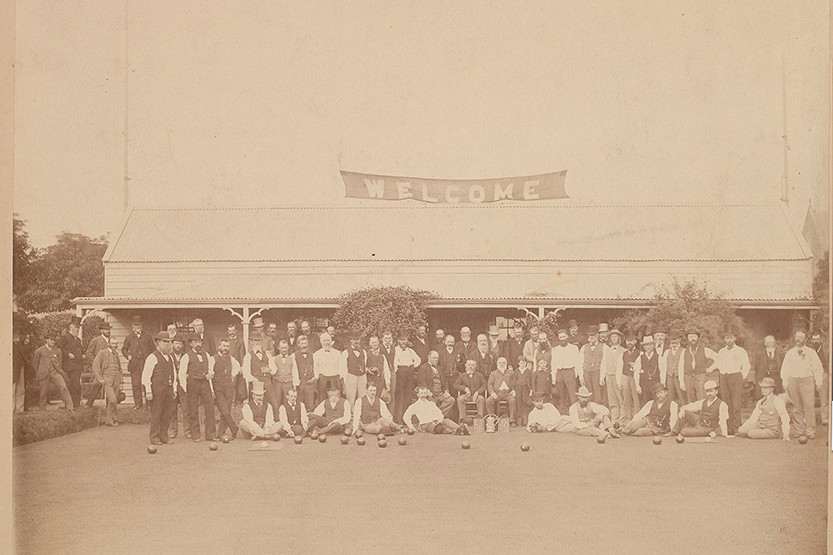
The Fitzroy and East Melbourne Bowling Club
In Fitzroy in 1865 the idea of a local bowling club finally came to fruition. A committee was elected. The name was confirmed as the Fitzroy Bowling Club and rules were put in place.
Read More
Farewell Inner City News – a short but meaningful chapter
Naughtons to toast 10 years under its current custodians
 Download the Latest Edition