The Dewdrop Fountain, Fitzroy Gardens
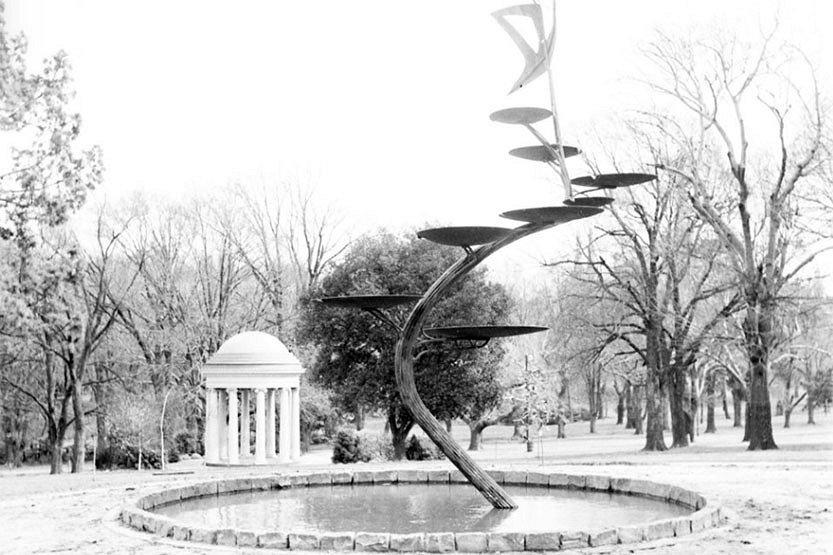

On a piece of flattish ground near the Gipps St and Clarendon St corner of the Fitzroy Gardens and directly in line with Bishopscourt there once stood a rather impressive fountain.
It was designed by Charles Summers and installed in 1862. It was known as the River God and, if contemporary drawings are to be believed, a very powerful character he was.
Sprays of water burst from his head in rays of ecstasy, with no thought that one day water might be a precious commodity.
But in 1956 with the Olympics on its doorstep Melbourne was in the throes of modernisation and the River God was beginning to look tired. He was removed and put into storage, only to be reincarnated forty years later and reinstalled opposite the Eades St entrance to the Gardens. He is a much calmer god these days.
In the meantime, the City Council wanted a suitably modern fountain to take the River God’s place and commissioned the architectural firm of Grounds, Romberg and Boyd to design it.
Robin Boyd apparently struggled to come up with a satisfactory solution and sought help from the up-and-coming sculptor Inge King. He stipulated that the design should include a birdbath.
King designed a great twining plant, with huge round waterlily-like leaves branching off it, topped with a stylised bird. The whole lot was over 12 metres tall. Quoted in The Age on June 8, 1960, King said, “It was a technical challenge to me, a sculptor, and to my husband, who is a painter.”
Neither had previously worked with a welder. However, an engineer friend agreed to make them an electric arc welder and offered assistance in the construction if needed. It took six months to make. It was known as the Dewdrop Fountain and, quite unlike the River God, water dripped slowly from leaf to leaf just as a dew drop might. It was also known more familiarly as the Fountain of the Birds possibly because it was usually covered with seagulls.
The photo here shows the fountain with lawn up to its edge but in later years a wide band of circular paving stones was placed around the fountain, with the shape of the stones echoing the leaves of the fountain.
Children loved to play chasey here, leaping from one stone to the next, but never in-between. The fountain became a much-loved feature of the gardens but sadly by 1980 it was showing signs of rust and was dismantled and removed.
As the first of King’s many pieces of public art it would add much to the appreciation of the work of one of our most significant modern sculptors to see the Dewdrop Fountain reinstated. •
Photo: The fountain in 1960. City of Melbourne Art and Heritage Collection.
Related Articles
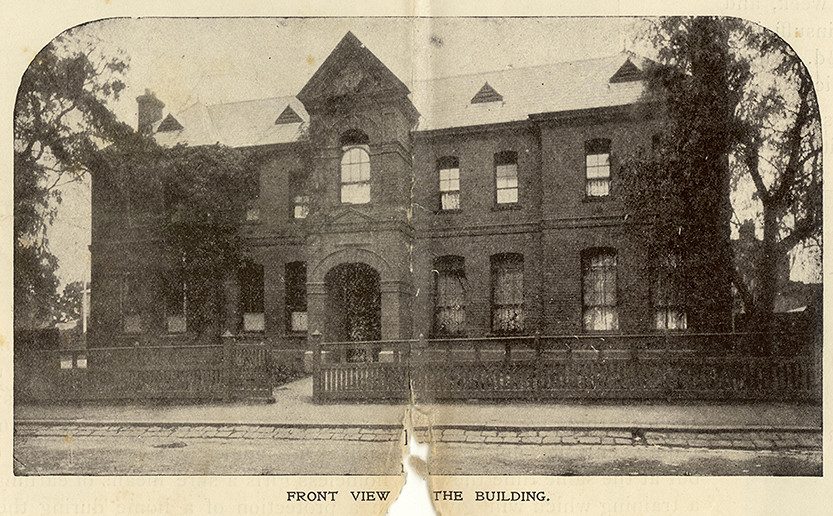
The Servants Training Institute
On the western side of Berry St, East Melbourne, there once stood a large red brick building known as the Servants’ Training Institute.
Read More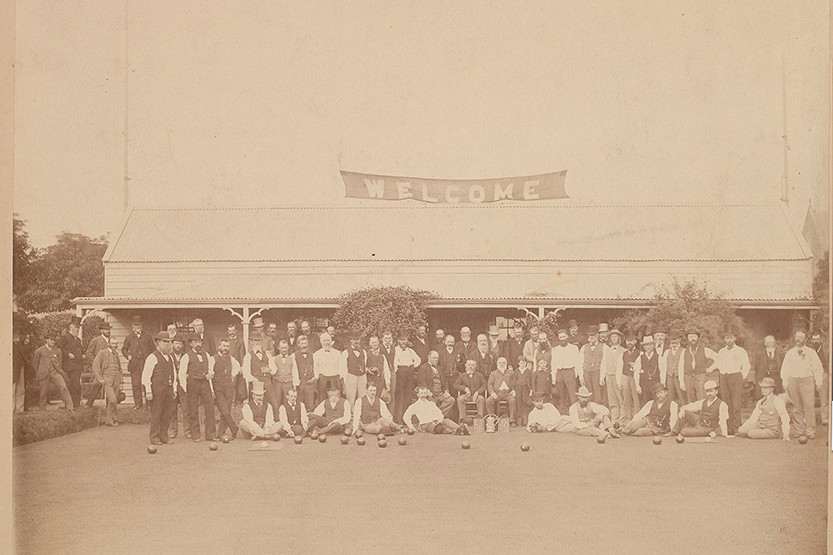
The Fitzroy and East Melbourne Bowling Club
In Fitzroy in 1865 the idea of a local bowling club finally came to fruition. A committee was elected. The name was confirmed as the Fitzroy Bowling Club and rules were put in place.
Read More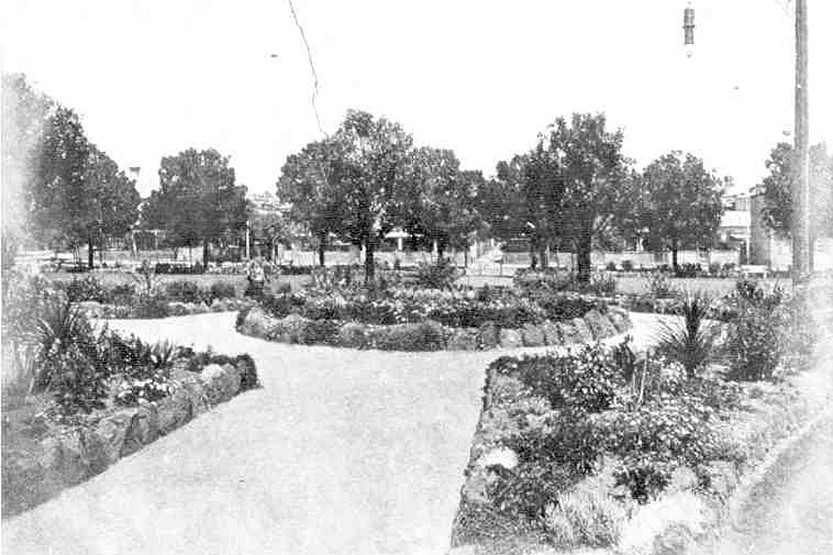
The changing face of Darling Square
In the time before white settlement the area around what we know as Darling Square in East Melbourne was swampland and was a source of plentiful foodstuffs enjoyed by the local Wurundjeri people.
Read More
Discoteca Italiana brings Italian buzz to Melbourne Museum

La Mama to launch three-month season of bold new works
 Download the Latest Edition