Parkville heritage review moves to panel after mixed submissions
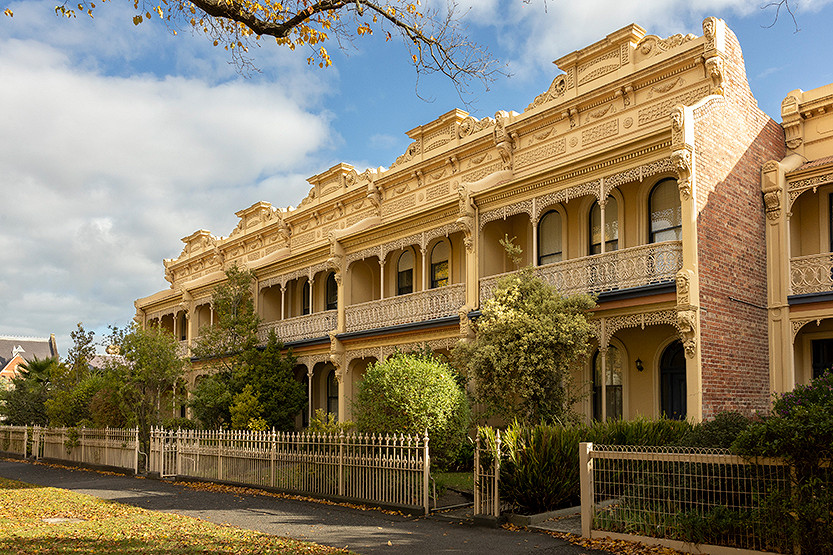

A long-running review of heritage protections across Parkville has moved a step closer to completion, with councillors voting unanimously on February 17 to endorse post-exhibition changes and refer unresolved matters to an independent planning panel.
Amendment C444, known as the Parkville Heritage Review, seeks to update and modernise heritage controls in one of Melbourne’s most historically layered suburbs. The previous studies underpinning heritage protections in the area date back to 1979 and 1985.
As Deputy Lord Mayor Roshena Campbell told the Future Melbourne Committee, “much has happened since that time,” noting Parkville’s evolution into a major health, research and education precinct alongside its established residential character.
The amendment was publicly exhibited between September and October 2025, attracting 19 submissions ranging from full support to objections. According to the council report, objections primarily came from education, research and institutional stakeholders concerned about the impact of new or expanded Heritage Overlays on future development.
Two submitters addressed councillors in person at the meeting.
Racquel Dowell, representing global animal health company Zoetis, outlined concerns about the proposed Heritage Overlay affecting its Parkville manufacturing site, formerly part of the Commonwealth Serum Laboratories complex.
Zoetis produces 130 million vaccine doses a year at the site and has committed to further investment to develop it into what Ms Dowell described as “a world leading biomedical centre for innovation in advanced manufacturing.”
While the company recognised the site’s historical significance, Ms Dowell said the proposed overlay “could potentially result in the restriction of this redevelopment and the full potential of the site.”
She welcomed indications that the matter would be referred to the Planning Minister with a request to convene an independent panel and support recommendations to refine building categories and reduce the overlay’s curtilage. However, she said there had been “insufficient detail” about the revised overlay for Zoetis to be satisfied that its concerns had been addressed, and reiterated the company’s wish to be heard at any future panel.
A second submission focused on University High School. Heritage consultant Martin Turnor, of Bryce Raworth Pty Ltd, argued that the proposal to include the school oval as a significant place within the South Parkville precinct was “inappropriate and unwarranted from a heritage perspective.”
Mr Turnor said the oval had undergone substantial changes, including excavation for a basement car park and the addition of modern buildings, and did not adequately demonstrate a tangible link to the former livestock market that once occupied a larger part of the area. He also questioned claims that the oval represented a historic provision of green open space, describing it instead as having been “an enclosed livestock compound.”
In response, council management indicated that recommended modifications already addressed those concerns. Acting planning staff advised that the proposed realignment reflected the issues raised and encouraged the submitter to review the updated documentation or appear before the panel if concerns remained.
The Parkville Heritage Review identifies the need to update precinct citations, refine overlay boundaries and apply individual overlays to specific sites, including part of 30–36 Flemington Rd and the former CSL site. The council has now endorsed those recommended changes and will ask the Minister for Planning to appoint an independent panel to consider the unresolved submissions in accordance with the Planning and Environment Act.
Cr Philip Le Liu said the review provided “a pretty interesting read” into Parkville’s past, while acknowledging the challenge of balancing protection with growth.
While we need to protect heritage, at the same time we do need to ensure there is enough room for development, Cr Le Liu said, encouraging submitters to consider how the council’s broader Heritage Strategy sought to weigh economic, social and environmental factors alongside historical value.
The motion passed unanimously.
The independent panel will examine the remaining contested elements of the amendment before providing recommendations to the Minister. •
Related Articles
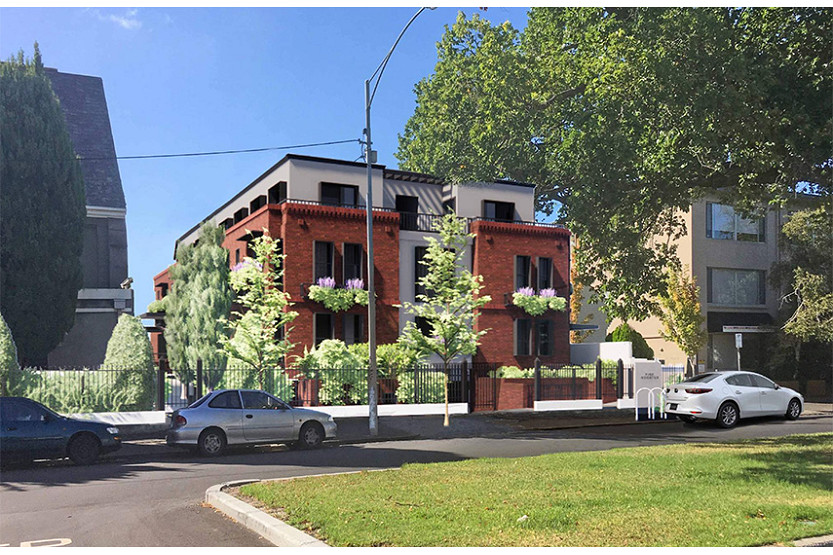
Council backs St Nicholas Church redevelopment in East Melbourne
The City of Melbourne has approved a long-running planning application for St Nicholas Antiochian Orthodox Church in East Melbourne, giving the green light to a heritage-sensitive redevelopment.
Read More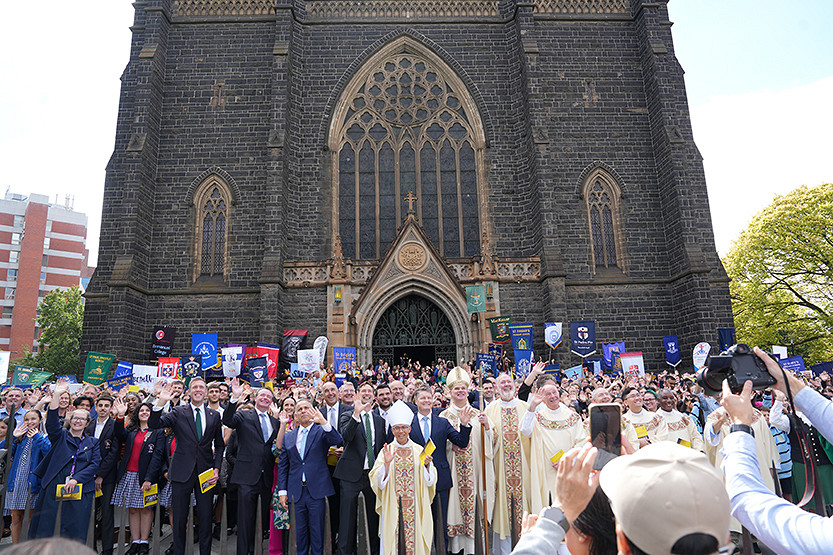
St Patrick’s Cathedral renewal project launched
The Archbishop of Melbourne has launched a $190 million project to repair and renew St Patrick’s Cathedral and “reimagine” its precinct, with an appeal to parishioners and other potential donors to “be part of the vision”.
Read More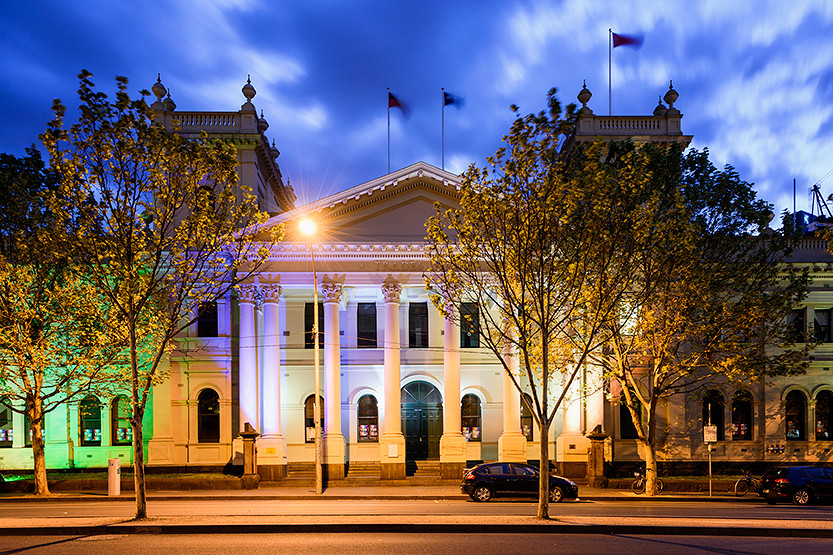
Victorian Trades Hall nominated for World Heritage listing
Melbourne’s iconic Victorian Trades Hall in Carlton is a step closer to global recognition after being nominated for inclusion on the UNESCO World Heritage List.
Read More
La Mama to launch three-month season of bold new works

Angelo Gargasoulas sentenced on drug crimes
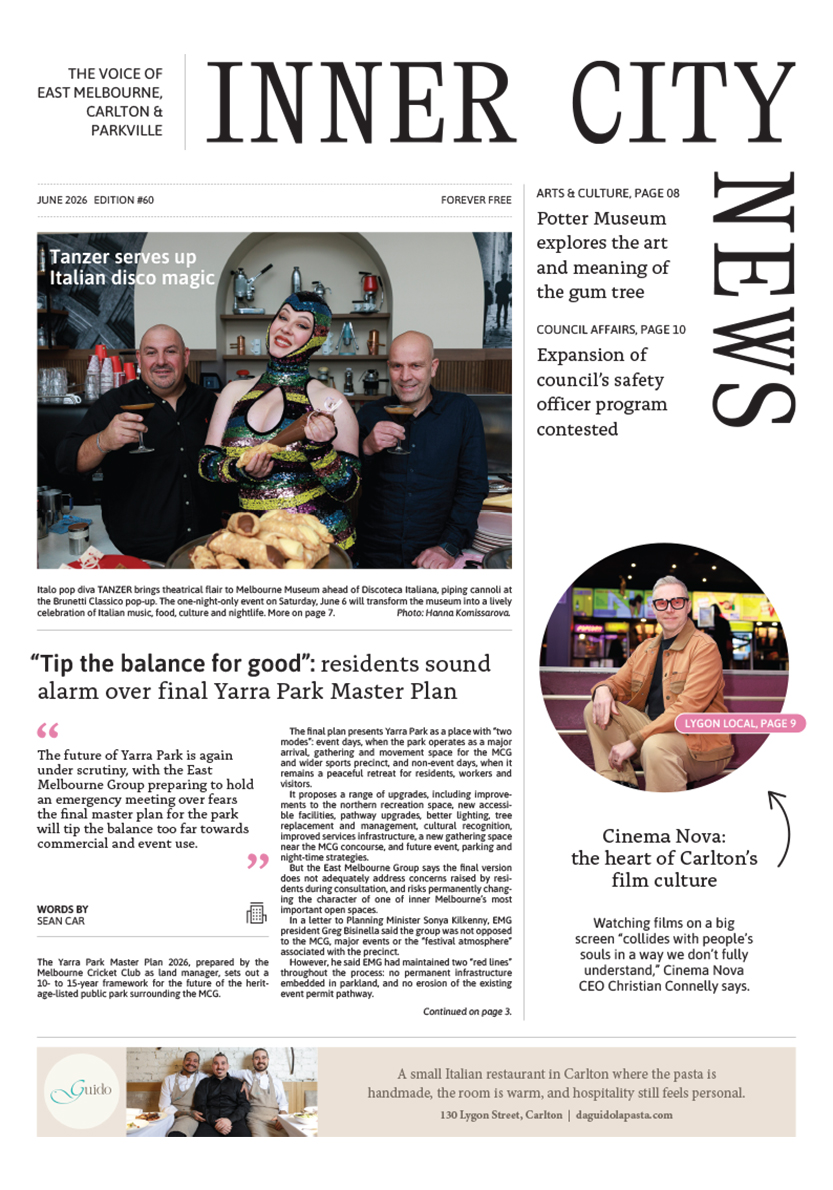 Download the Latest Edition