East Melbourne hailed as “extraordinary” heritage suburb as council moves to tighten protections
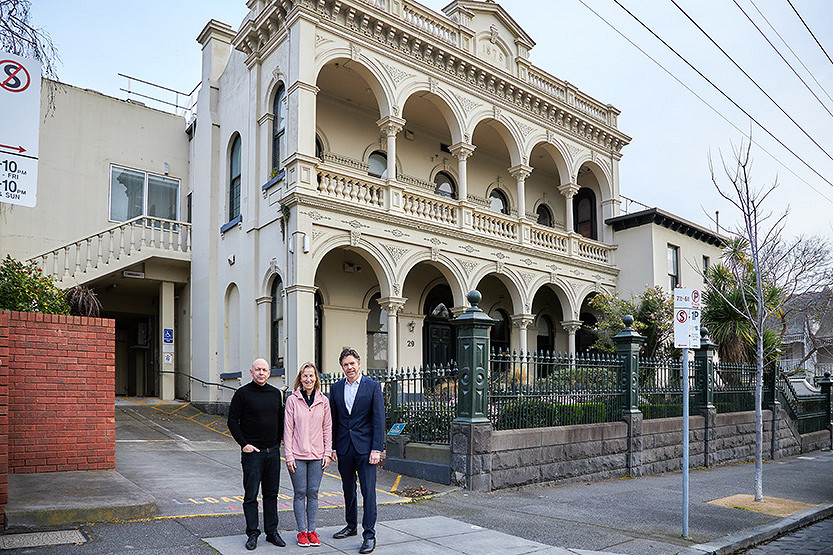

East Melbourne’s heritage is a step closer to receiving stronger safeguards, with the City of Melbourne voting to pursue interim and permanent planning controls based on a major new heritage review.
At the November 11 Future Melbourne Committee (FMC) meeting, councillors backed amendments to the Melbourne Planning Scheme that would introduce interim heritage controls for 21 currently unprotected properties, while updating permanent controls across more than 100 sites in East Melbourne and Jolimont.
The East Melbourne Heritage Review – a 933-page study prepared by heritage consultants Lovell Chen – recommends nine new individual heritage overlays, new or revised statements of significance for key buildings and precincts, and updated heritage categories across the suburb.
Among the new listings are Parliament Gardens and the Coles Fountain, the former Amalgamated Metal Workers’ Union Building on Victoria Parade, and the Medical Society of Victoria Building, a 1925 design by Stephenson & Meldrum.
Speaking at the meeting, East Melbourne Group president, Greg Bisinella, told councillors the findings confirmed what locals had long understood.
“East Melbourne and Jolimont represent one of Melbourne’s most intact and distinguished heritage precincts of exceptional architecture and social landscape value to the city and the state,” he said.
East Melbourne is not simply a collection of old houses. It is a thriving historic precinct deeply valued by residents and by all Victorians who treasure the city’s heritage.
Mr Bisinella welcomed the elevation of several buildings to “significant” or “contributory” status but raised concerns about one contentious site, noting that 204–208 Albert St had been downgraded to non-contributory.
The property is already the subject of a VCAT-approved rear commercial tower following two hearings.
“We’re concerned that this could lead to the owner submitting an application to VCAT for an amendment to the plans that involves demolition of the existing property,” he said. “This, in our view, would be a travesty.”
He urged the council to seek clarification from Lovell Chen and to ensure that updated heritage protections were supported by stronger planning controls capable of resisting development pressure.
“Heritage protection is meaningless if overshadowed by planning policies that prioritise growth over character,” he said.
Deputy Lord Mayor and planning lead Cr Roshena Campbell said the review delivered contemporary protections for one of Melbourne’s most historically significant suburbs.
“This review before us tonight ensures that the heritage protections in East Melbourne are up to date and reflect the full history of East Melbourne,” she said.
“It’s worth reflecting on the fact that the last time we did a comprehensive study of East Melbourne was 1983 – almost half a century ago. This review marks a very significant step forward in strengthening the heritage protection of East Melbourne.”
Cr Campbell noted the study recognised not only Victorian-era terraces but also significant interwar, post-war and post-modern buildings, from Art Deco apartment blocks to the Coles Fountain in Parliament Gardens.
Lord Mayor Nick Reece said East Melbourne was “quite possibly unique in the world” for its concentration of 19th and 20th century architecture woven through major parks and gardens.
“East Melbourne would have to be the most extraordinary intact example of Victorian-era terraces and Edwardian streetscapes mixed in with beautiful parks and gardens, as well as some modern and indeed post-modern architecture,” he said.
Veteran Town Hall attendee, Chris Thrum, welcomed the decision for Parliament Gardens to be recognised and valued in historical and heritage terms. However, he noted that the significant contributions of Ferdinand Mueller should be recognised.
Between 1857 and 1873, Mueller was the Director of the Royal Botanic Gardens, and before that he was the State Government Botanist in 1853.
“Mueller was one of the trailblazers in creating Melbourne's brilliant parks and gardens. A state government botanist, Mueller was deeply involved and had the awesome responsibility in tree and plant selections and overall design of the majority of Melbourne's Parks and Gardens,” Mr Thrum said.
Related Articles
Rebuilt Corkman meets cautious approval
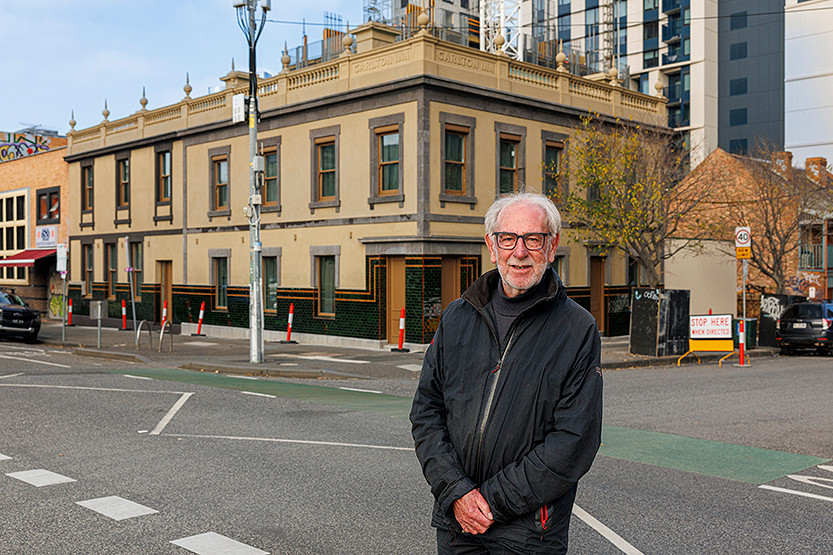
The rebuilt Corkman Irish hotel, revealed when its scaffolding was removed in mid-June, has been met with cautious approval by the Royal Historical Society of Victoria (RHSV) despite the new building’s concrete slab walls.
Read More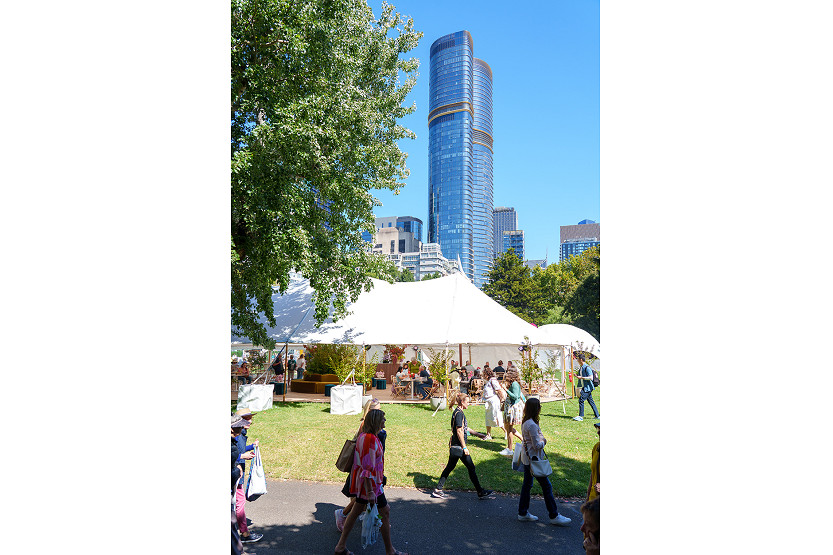
Flower show extension sparks fresh Carlton Gardens concerns
A decision to extend the Melbourne International Flower and Garden Show’s licence in Carlton Gardens until 2029 has reignited concerns about community consultation and the long-term protection of the World Heritage-listed precinct.
Read More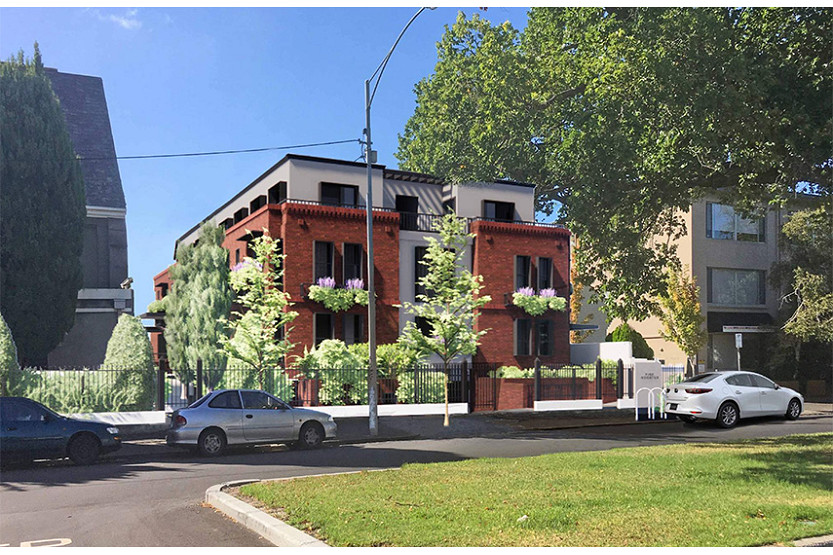
Council backs St Nicholas Church redevelopment in East Melbourne
The City of Melbourne has approved a long-running planning application for St Nicholas Antiochian Orthodox Church in East Melbourne, giving the green light to a heritage-sensitive redevelopment.
Read More
Farewell Inner City News – a short but meaningful chapter
Naughtons to toast 10 years under its current custodians
 Download the Latest Edition