Council moves to rein in AI infrastructure impacts as data centres surge


The City of Melbourne is aiming to guide the rapid expansion of artificial intelligence (AI) infrastructure, including data centres, as concerns grow about their long-term environmental and community impacts.
The notice of motion, which was debated at the February 2 Future Melbourne Committee meeting (after Inner City News published its February edition), was put forward by Lord Mayor Nick Reece, with support from environment portfolio lead Davydd Griffiths. It calls on council management to develop planning guidance and advocacy frameworks to ensure the city’s growing digital backbone does not undermine sustainability goals.
Under the proposal, council would explore best-practice planning and design principles for data centres and other AI-related infrastructure, while also working more closely with industry, utilities and global city networks to promote cleaner technologies and shared community benefits. These include renewable energy use, recycled water systems and the potential to reuse waste heat for nearby community facilities.
The motion comes amid accelerating investment in AI and cloud computing infrastructure across Melbourne. Around 20 data centres already operate within the City of Melbourne, with further growth occurring in Fishermans Bend and the city’s western suburbs. While recognised as a critical economic driver, council papers warn that data centres are highly resource-intensive, placing increasing pressure on electricity networks, water supplies and emissions targets.
According to the motion’s background notes, Melbourne’s data centres currently consume about two per cent of the city’s electricity grid, a figure projected to rise to eight per cent within five years and almost 20 per cent by 2050 if growth continues unchecked. Planned facilities in Melbourne’s west alone could use up to 20 billion litres of water annually – around four per cent of Greater Melbourne’s current drinking water supply.
Lord Mayor Reece’s motion also highlights gaps in existing planning frameworks, arguing that councils currently lack the power to manage the cumulative impacts of data centres on energy, water and greenhouse gas emissions. Many projects are approved through fast-tracked state pathways, limiting local oversight.
If adopted, the motion would see the City of Melbourne advocate to state and federal governments for clearer regulatory standards, mandatory sustainability requirements and transparent monitoring of data centre performance. The motion also seeks to align Melbourne’s approach with global efforts, building on commitments made at the C40 World Mayors Summit in Rio last year, where Melbourne co-led a coalition of cities calling for responsible AI infrastructure development.
While acknowledging the role of data centres in supporting Melbourne’s digital economy and data sovereignty, the motion frames early action as essential to avoid locking in long-term environmental costs. •
Related Articles
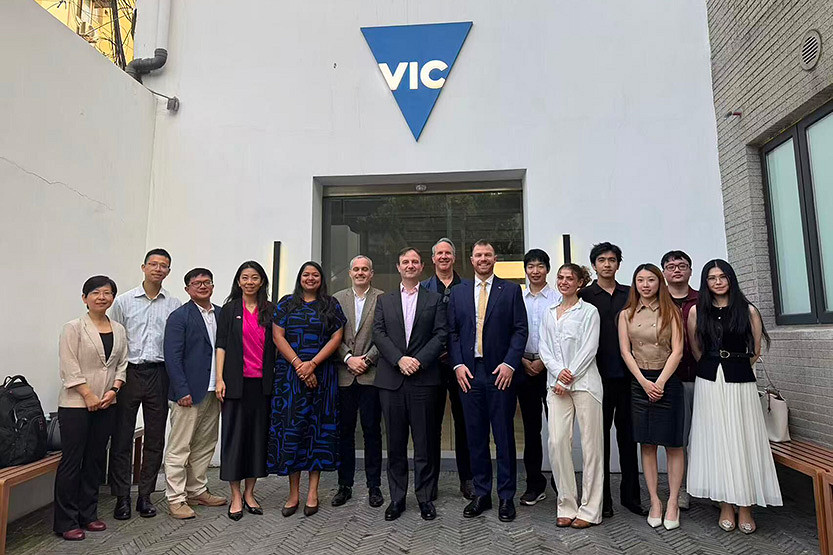
Council backs China and Japan travel report
City of Melbourne councillors have unanimously endorsed a report outlining the outcomes of recent delegations to China and Japan, with the visits focused on sustainability, innovation, trade and international city partnerships.
Read More
Pro-Palestine protesters challenge council on free speech amid Carlton meeting room cancellation
Pro-Palestine activists have staged a concerted confrontation over the City of Melbourne's handling of their activities, asking questions at two recent meetings suggesting anti-Zionism had been wrongly conflated with antisemitism and free speech suppressed by the cancellation of a meeting room booking in Carlton.
Read More
Infrastructure plan puts focus on Carlton, Parkville and East Melbourne
The City of Melbourne’s new 10-year Community Infrastructure Plan has identified early years services, flexible community spaces, open space and partnerships with major institutions as key priorities for Carlton, Parkville and East Melbourne.
Read More
Farewell Inner City News – a short but meaningful chapter

Naughtons to toast 10 years under its current custodians
 Download the Latest Edition