Yarra bike lane decision sparks backlash over safety and governance
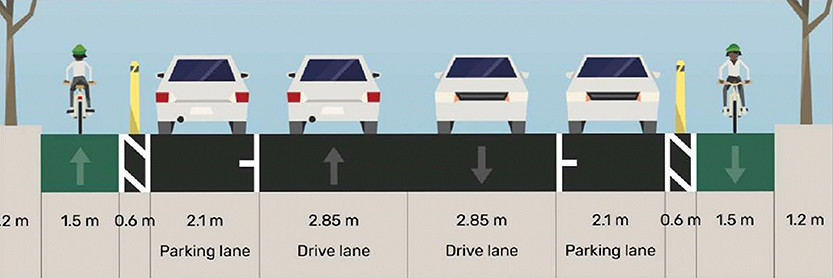

The City of Yarra’s decision to narrow Elizabeth St’s bike lanes in Richmond has reignited tensions between councillors, cycling advocates and the state government, with critics warning the move undermines safety on one of Melbourne’s key cycling corridors.
At their August 12 meeting, councillors voted six to two in favour of concept designs that would reinstate car parking by reducing the width of the protected bike lanes installed in 2020. The plans will now progress to detailed design, with $200,000 allocated in this year’s budget.
The Elizabeth St lanes form part of a state-designated Strategic Cycling Corridor, linking into the City of Melbourne’s Albert St connection in East Melbourne to the CBD. The Department of Transport and Planning (DTP) has set strict design standards, including a recommended two-metre rideable width. Yarra’s revised designs propose lanes as narrow as 1.5 metres.
Cr Evangeline Aston, who moved the motion, described the outcome as a “compromise” that balanced resident concerns about parking with DTP requirements. “Elizabeth St will continue to have protected bike lanes that are still wider than many across the city,” she said. “This has been a fractious project, but I believe officers have struck the best possible balance.”
Not everyone agrees. RMIT’s Dr Afshin Jafari called the decision a “step backwards” for accessibility and safety.
Narrow lanes next to parking means more dooring, more close passes and higher stress, especially for everyday riders, families, e-bikes and cargo bikes,” he said. “Failing to design proper access for one group shouldn’t become a reason to endanger another.
Bicycle Network echoed those concerns, saying the council had “fumbled badly” on what should have been a straightforward adoption of standard designs.
“Yarra was once a pioneering leader in bike infrastructure,” the group said. “This decision risks exposing the council to liability claims, while undermining a key east–west route.”
Greens councillor Sophie Wade, who opposed the motion, said the proposal was costly, unsafe and potentially unworkable.
“We’re now spending $200,000 on designs to make the lanes less safe, that the state government may still reject,” she said. “If built, they’ll be expensive, temporary and likely ripped up again when future developments occur.”
The decision also comes under a cloud of governance concerns. In April, Mayor Stephen Jolly led a push to reduce the lanes, citing parking needs near a local Buddhist temple.
Freedom of Information requests have since revealed alternative officer-prepared plans – which would have retained parking while maintaining bike lane widths – were not provided to councillors or the public.
The state government has distanced itself from the changes. Roads and Road Safety Minister Melissa Horne, and Public and Active Transport Minister Gabrielle Williams have both confirmed they “do not support downgrading important cycling corridors, such as Elizabeth St,” contradicting Mayor Jolly’s earlier claims of government backing.
A petition of more than 1000 signatures has also opposed the changes.
For now, the project remains subject to state approval. If endorsed, construction is unlikely before 2027, with new lanes expected to be built from the same temporary plastic separators already in place. •
Related Articles
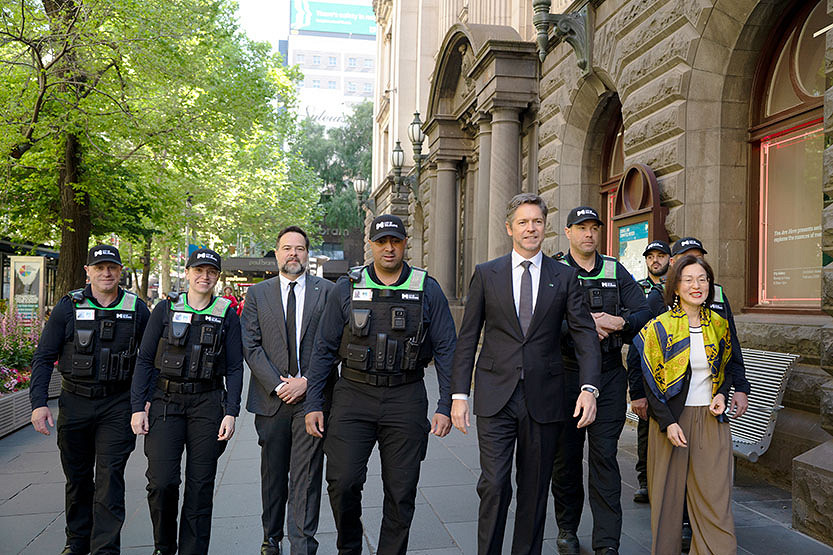
Expansion of council’s Community Safety Officer program contested
The City of Melbourne’s allocation of millions of dollars to put council-employed community safety officers on the streets has been met with significant opposition.
Read More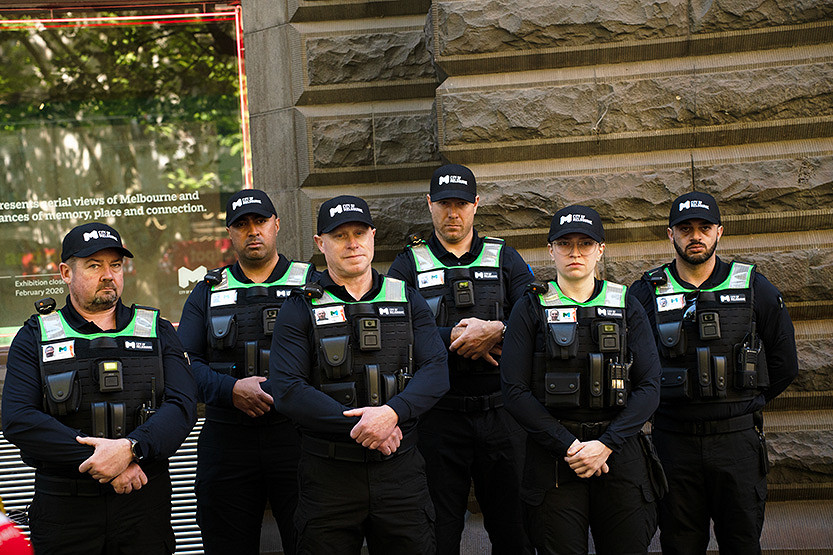
East Melbourne welcomes council’s new safety officers as early patrols deliver results
East Melbourne residents have thrown their support behind the City of Melbourne’s rollout of Community Safety Officers (CSOs), with early patrols already preventing crime and assisting vulnerable people in the neighbourhood.
Read More
La Mama to launch three-month season of bold new works

Angelo Gargasoulas sentenced on drug crimes
 Download the Latest Edition