Vale Barry Dickins: Carlton farewells a prolific man of words and art
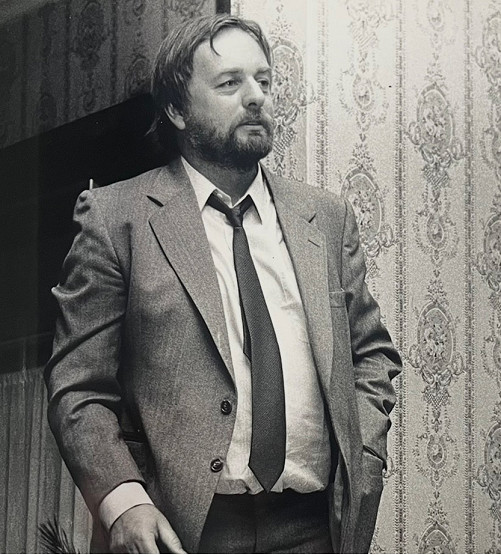
Barry Leonard Dickins, who died in Parkville on July 13 aged 76, was “a renaissance man of the people” and “a real Carlton character”, according to Readings co-owner Mark Rubbo.
“Carlton’s changed so much that there’s not that many of them left,” Mr Rubbo said.
Barry had given many readings at the Lygon St bookshop and bought countless books there over the years. His creative life, however, began nearby in the experimental theatre world of 1970s Carlton.
The son of a printer, Barry grew up in Reservoir and worked in factories for several years after leaving school before gravitating towards Carlton, where a radical new theatre movement was taking shape.
His first play, a translation of Henrik Ibsen’s Ghosts, was staged at La Mama in 1974.
It was followed by more than 50 works for the stage, many performed at La Mama or the Pram Factory, before Barry’s plays were taken up by Playbox Theatre, Melbourne Theatre Company and Theatre Works.
Producer Greg Carroll, who worked with Barry on around 12 productions, recalled the scene during the 1970s as “absolutely wide open and wild”.
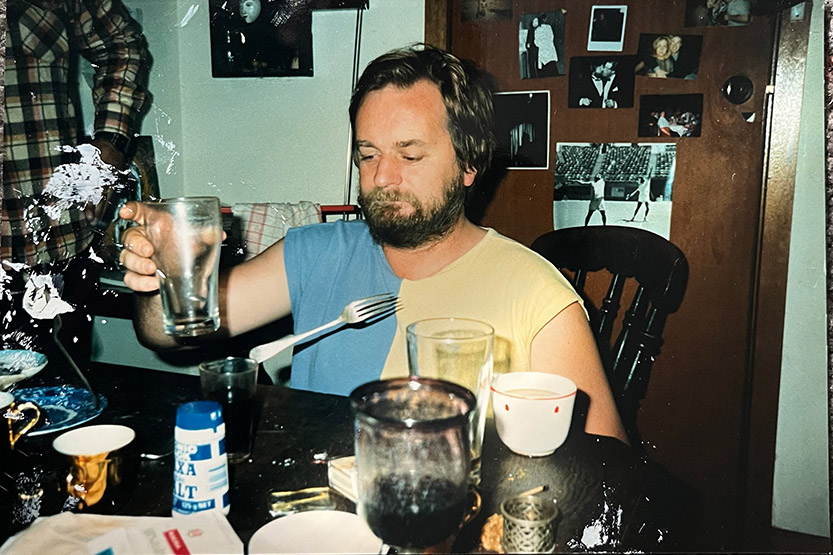
“It was a mighty time,” he said.
Mr Carroll said Barry’s plays “almost defied genre”.
“It was riotous, uproarious comedy, but often undercut with true sadness,” he said.
“I suppose, if anything, I would say it was in a Melbourne underground fantastical genre.”
Those plays included The Rotten Teeth Show, which offered free entry to anyone without teeth; Mag and Bag, featuring two elderly women “virtually sitting on a perch in a budgerigar cage”; and Bedlam Autos, about two former priests running a dubious used-car yard in Yass.
Former Pram Factory administrator and close friend John Timlin, who staged some of Barry’s early work, remains haunted by a scene from The Fool’s Shoe Hotel.
The “comic riot” imagined a group of ageing actors living together at the Rushall Crescent retirement community in North Fitzroy. In one scene, the lead actor opened a refrigerator, ostensibly to make tea, only for a green crocodile to spring out, prompting “shock, feigned horror and uproar from the audience”.
La Mama veteran Maureen Hartley remembered Barry laughing loudest whenever he attended his own plays, “sometimes before the funniest line was said”.
His final known performance came at a 2016 event at Collected Works bookshop, where he read from Remember Ronald Ryan, which won the Victorian Premier’s Literary Award in 1995.
Musician Dave Graney, who wrote about the event, described Barry’s portrayal of the condemned man, performed under bare lights from barely a metre away, as “pretty raw theatre”.
Barry also spoke about the research behind the work, which had led to him being beaten up at Pentridge.
It demonstrated “how much real blood, guts and bone a writer has to get arm deep into to get a story”, Graney wrote. “It takes its toll.”
Playwriting was only one part of Barry’s immense creative output.
Ms Hartley described him as a “journalist, author, illustrator, painter, teacher, poet, actor and mentor”, who left behind “a huge legacy of plays and artworks full of wit, warmth and humanity”.
“He must have written 20,000 poems and done 70,000 drawings, cartoons and paintings,” Mr Carroll estimated.
“Because he never stopped, and he was prolific.”
Barry’s many acting appearances included Paul Cox’s film Man of Flowers, in which he played an eccentric and philosophical postman.
His publications ranged from the hard-drinking and darkly comic novel The Crookes of Epping to non-fiction works about his father, beer, Brett Whiteley and life in the police force.
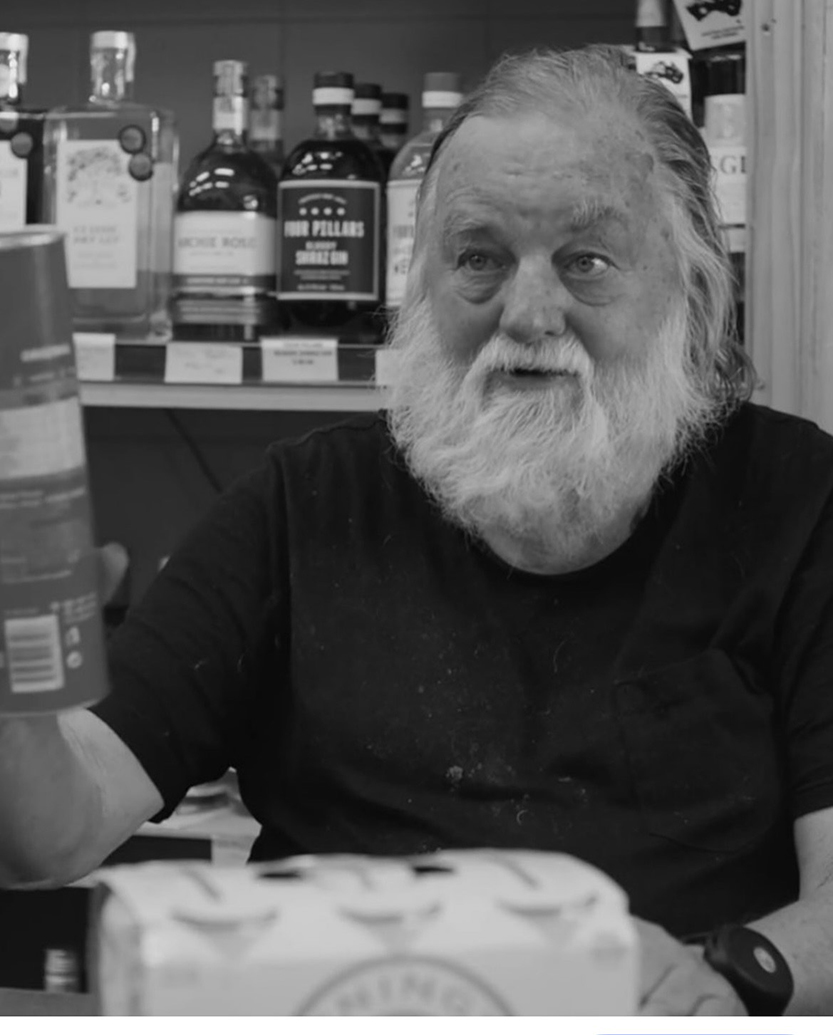
They included The Gift of the Gab: Stories from the Life of Barry Dickins in 1981, Love to Live: The Fabulous Life of Barry Dickins in 1991 and Unparalleled Sorrow: Finding My Way Back from Depression in 2009.
Lessons in Humility: 40 Years of Teaching, published in 2013, drew on Barry’s experiences in writing classes, artist residencies and drawing programs, where he was remembered for generously sharing his knowledge and encouragement.
These included affluent schools such as Melbourne Grammar, which Barry once said had hired him “to put some curry in the curriculum”.
For many readers, however, he was best known for the colourful columns he wrote for The Melbourne Times, particularly about his beloved former Fitzroy Football Club, the Royboys.
He contributed to the free newspaper for more than 25 years and later claimed he had been given so much freedom for satire that he ended up in court several times facing defamation allegations.
“He was a great one for spinning a yarn. He was all about entertaining,” said his friend Bridget McDonnell, whose Faraday St gallery holds many of his artworks.
The last time Mr Rubbo saw Barry was when he provided a character reference after the writer was charged over a claim that he had been strip-searched by police.
“I think he exaggerated it, and he wrote about it too,” Mr Rubbo said.
I told them he was a good bloke. Maybe a bit silly sometimes, as we all can be.
Barry received a good behaviour bond and later gave Mr Rubbo a painting as thanks – something he often did for friends.
Following his death, he was remembered on social media as “one of our great observers”, “a beautiful writer” and a “wonderful iconoclast”.
Friends, acquaintances and admirers mourned “a man of the people” and “a big-hearted eccentric with a poetic heart”.
“Vale Barry Dickins – a rascal, a genius, a laugh, a huge talent,” one tribute read.
Around 300 people attended Barry’s funeral at St Carthage’s Catholic Church in Royal Parade on July 27.
Speakers included Mr Timlin, who read a contribution from Sydney-based writer Barry Oakley, and Playbox Theatre founding director Carrillo Gantner.
The service was followed by a wake at The Clyde Hotel, where mourners gathered to share memories of a roguish, chaotic, brilliant, generous and gentle artist, driven above all by a deep love for his family, friends and people generally.
Barry is survived by his former wife, Sarah Mogridge, and his son, Louis Dickins. •

Farewell Inner City News – a short but meaningful chapter

Naughtons to toast 10 years under its current custodians
 Download the Latest Edition