Potter Museum announces major exhibition exploring the art and meaning of the gum tree
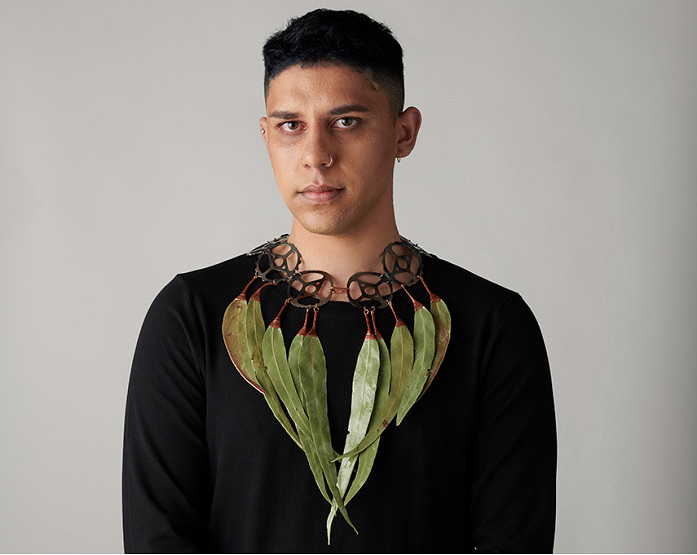

The Potter Museum of Art has announced a major new exhibition that will explore one of Australia’s most enduring and complex symbols: the gum tree.
Opening on July 10 and running until November 21, Ngarn Wa’ngal: Art of the gum tree will bring together 163 artworks spanning colonial, 20th century and contemporary practice, in what the University of Melbourne’s Potter Museum describes as a wide-ranging examination of the eucalypt as both a living presence and a powerful cultural symbol.
The title comes from the Woi Wurrung language, with Ngarn wa’ngal meaning “breathing for us”, pointing to the deep cultural and ecological significance of the tree across time and place.
Curated by Alisa Bunbury, senior curator of the Grimwade Collection at the University of Melbourne, together with guest curator Sophie Gerhard, the exhibition will feature works by a broad cross-section of artists. These include colonial painters John Glover, Eugene von Guérard and Frederick McCubbin, twentieth-century figures such as Arthur Boyd, Hans Heysen, Albert Namatjira, Grace Cossington Smith and Jessie Traill, alongside contemporary artists including Nici Cumpston, Vincent Namatjira, Joan Ross and Christian Thompson.
Alongside historical works and loans from institutions around the country, the exhibition will also include five significant new commissions.
Among them, Australian photographer Jane E. Brown has created intricate images of gum blossoms and gum nuts using an experimental process involving eucalyptus oil as a developing agent. Dean Cross will present an installation of seed-filled papier-mâché forms containing manna gum seeds, while Melbourne artist megan evans will show an installation of eucalyptus leaves collected over decades, including leaves preserved from the 2009 Black Saturday bushfires.
Janet Laurence’s contribution will examine scientific classification and environmental witnessing, and Wiradjuri poet and artist Jazz Money will create a floor-based text piece accompanied by a moving image of rising smoke.
Bunbury said the exhibition invited audiences to think more deeply about the role eucalypts play in Australian life.
“Ngarn Wa’ngal encourages us to reflect upon the fundamental role of eucalypts in our society and within Australia’s natural and built environments,” she said.
“Through this recognition, it also asks us to accept responsibility for their continuity and survival as we negotiate the escalating climate emergency.”
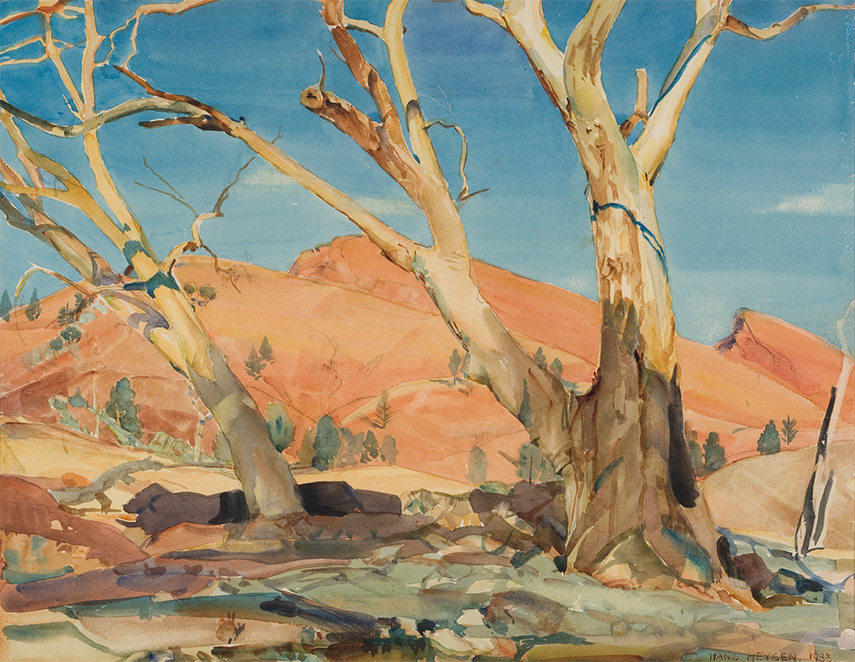
Gerhard said the gum tree remained a powerful but complicated part of Australia’s national imagination.
“This exhibition celebrates the eucalypt while drawing attention to how artists have harnessed it as a symbol of Indigenous sovereignty, colonial conquest and contemporary climate action,” she said.
Potter Museum director Charlotte Day said the exhibition would invite audiences to reconsider the eucalypt not just as an icon, but as something still actively shaping culture and meaning.
“The gum tree is one of the most recognisable and complex symbols in Australian life,” she said. “Ngarn Wa’ngal: Art of the gum tree invites audiences to reconsider the eucalypt not simply as an icon, but as a living subject that continues to shape artistic, cultural and environmental narratives across generations.”
The exhibition will be accompanied by a major publication from Melbourne University Publishing and a public program of talks, tours, workshops and walking tours of significant gum trees on the University of Melbourne’s Parkville campus.
Related Articles

La Mama to launch three-month season of bold new works
La Mama Theatre will launch one of its most anticipated annual programs on June 2, with EXPLORATIONS returning for a three-month season of brand-new works-in-progress.
Read More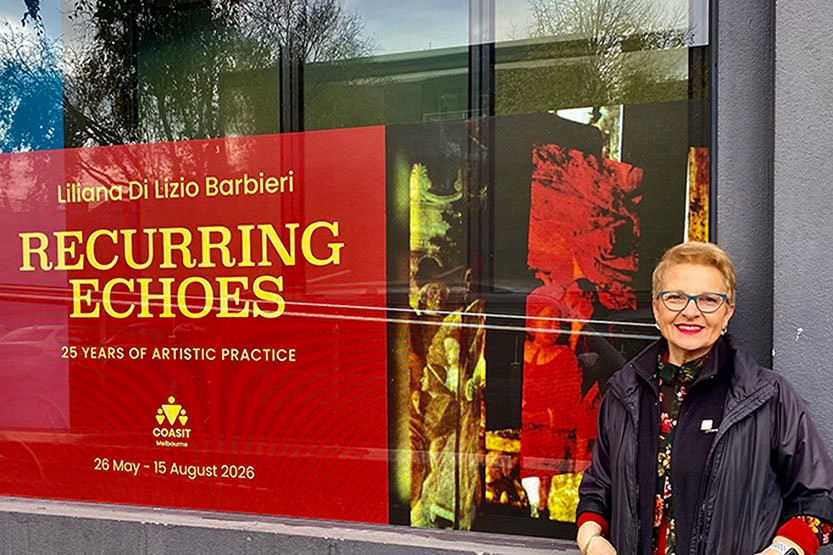
Artist’s career comes full circle in Carlton exhibition
A new exhibition in Carlton is celebrating more than two decades of work by Italian-Australian artist Liliana Di Lizio Barbieri, bringing together paintings, photography, installations and sculptural works created across her career.
Read More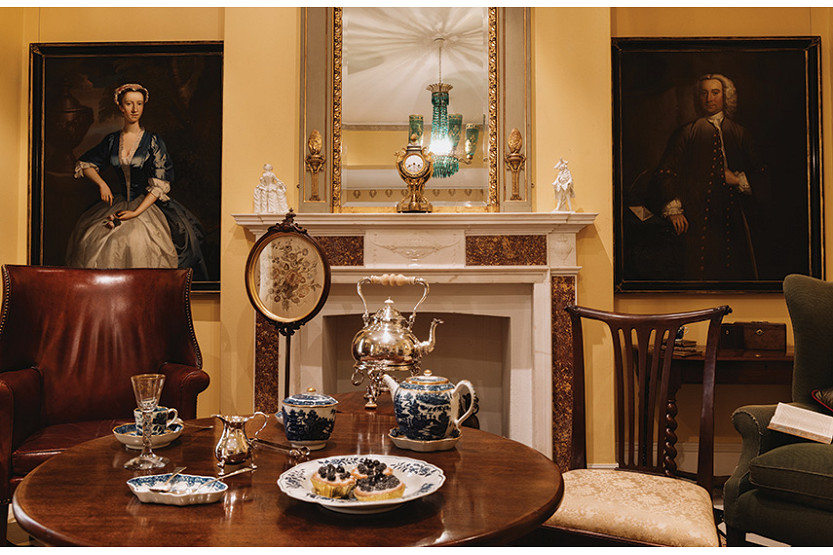
Taste & Temptation: Johnston Collection exhibition tour now open
The Johnston Collection house museum in East Melbourne is thrilled to welcome Dr Matthew Martin as guest curator of their latest exhibition tour Taste & Temptation.
Read More
La Mama to launch three-month season of bold new works

Angelo Gargasoulas sentenced on drug crimes
 Download the Latest Edition