Melbourne youth push for a “Happy Capital” vision by 2050
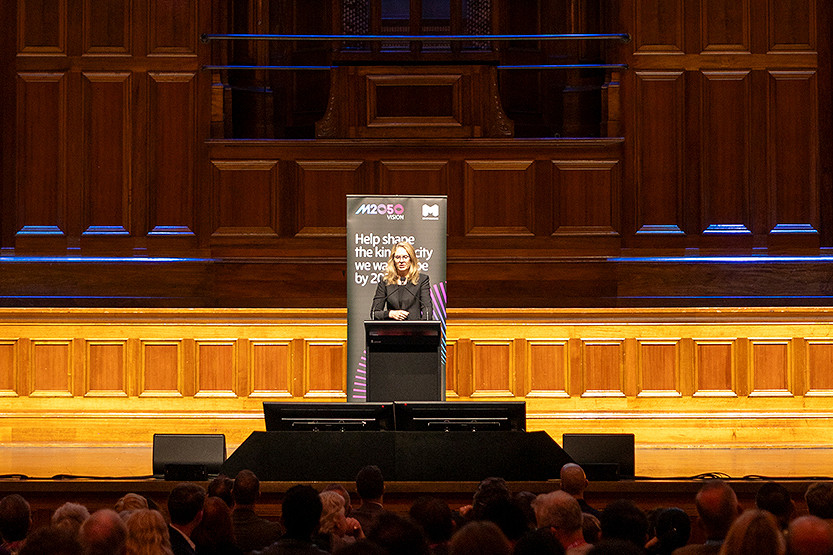

Melbourne could become Australia’s “Happy Capital” by 2050 if the city’s youngest voices are heard loud and clear.
That’s the bold message emerging from the City of Melbourne’s inaugural Youth Roundtable, held as part of its wider Melbourne 2050 Summit in May, with a newly released report placing happiness and wellbeing at the centre of the city’s long-term future.
While Melbourne has long held titles as the nation’s capital of arts, culture, sport and food, the next generation is calling for something deeper – a future where liveability and inclusion are measured not just in infrastructure, but in joy.
Some 80 young people took part in the landmark roundtable, contributing to a broader summit attended by more than 700 participants, including students, youth leaders and community members. Their voices, the council says, will help shape the draft Melbourne 2050 Vision set for community consultation later this year.
With Melbourne’s population forecast to exceed nine million by the 2050s, Lord Mayor Nick Reece said now was the time to “listen to the future leaders of our city”.
“If we’re serious about creating a happier, more liveable city by 2050, we need to listen to young Melburnians,” Cr Reece said.
From rent reform to rooftop gardens, young people are offering smart and progressive solutions to some of our biggest challenges – all in the spirit of the Melbourne we know and love.
The roundtable’s number one theme was simple: happiness. But young participants also drilled down into specific ideas on how to achieve it.
Under a vision for a greener Melbourne, they called for “green equity” in development – matching concrete with plant life – and guaranteed access to nature for every resident. Ideas like edible gardens and food waste systems in every building reflected a desire for both environmental and social wellbeing.
In tackling economic inequality, the roundtable proposed bold measures including rent freezes, student debt reform, more accessible education and startup support, and fairer school funding across the public-private divide.
Mental health, homelessness and addiction support also ranked high, alongside calls for safer public spaces, enhanced intersectional support, and greater action on gendered violence.
“Young people are clearly connecting urban design with mental health and economic fairness,” Cr Reece said. “And they’re asking the city to lead with hope, not fear.”
The feedback will now be analysed alongside insights from the M2050 Vision Survey, the People’s Panel, a First Nations Roundtable, and other expert data as the council prepares a draft vision and new Council Plan.
Those documents will be put to the community for feedback later in 2025, before being refined and formally considered by the council at a Future Melbourne Committee meeting.
But for now, young Melburnians are clear about the kind of city they want.
“Melbourne has long been Australia’s capital of arts, food and culture – but now, our young people are leading a new movement: turning us into the nation’s ‘Happy Capital’,” Cr Reece said. “And I believe we’ll get there.” •
Related Articles
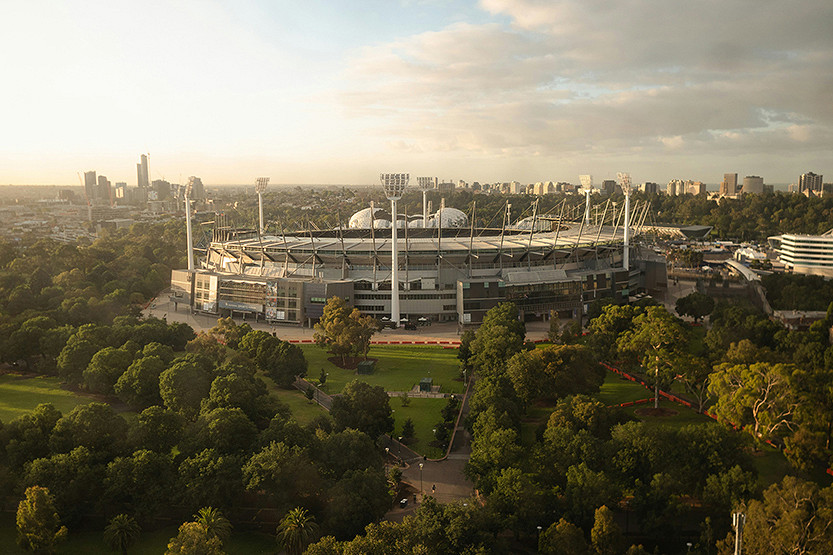
“Tip the balance for good”: residents sound alarm over final Yarra Park Master Plan
The future of Yarra Park is again under scrutiny, with the East Melbourne Group preparing to hold an emergency meeting over fears the final master plan for the park will tip the balance too far towards commercial and event use.
Read More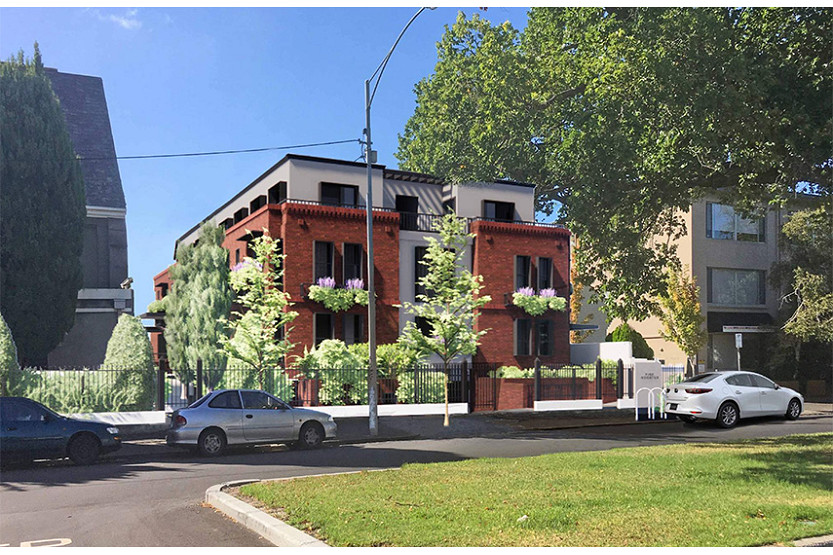
Council backs St Nicholas Church redevelopment in East Melbourne
The City of Melbourne has approved a long-running planning application for St Nicholas Antiochian Orthodox Church in East Melbourne, giving the green light to a heritage-sensitive redevelopment.
Read More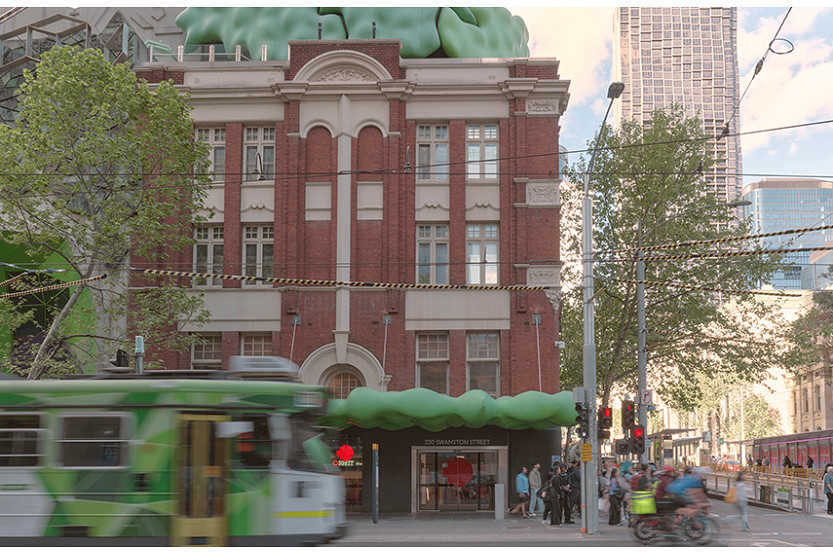
RMIT maps out a more flexible future for its campuses with new Living Places Plan
RMIT University has launched a new long-term framework to guide how it evolves its campuses, setting out a broader vision for the future of its spaces at a time when the institution is thinking more deeply about its place in Melbourne and the communities around it.
Read More
La Mama to launch three-month season of bold new works
Angelo Gargasoulas sentenced on drug crimes
 Download the Latest Edition