Melbourne 2050: Governance and planning considerations
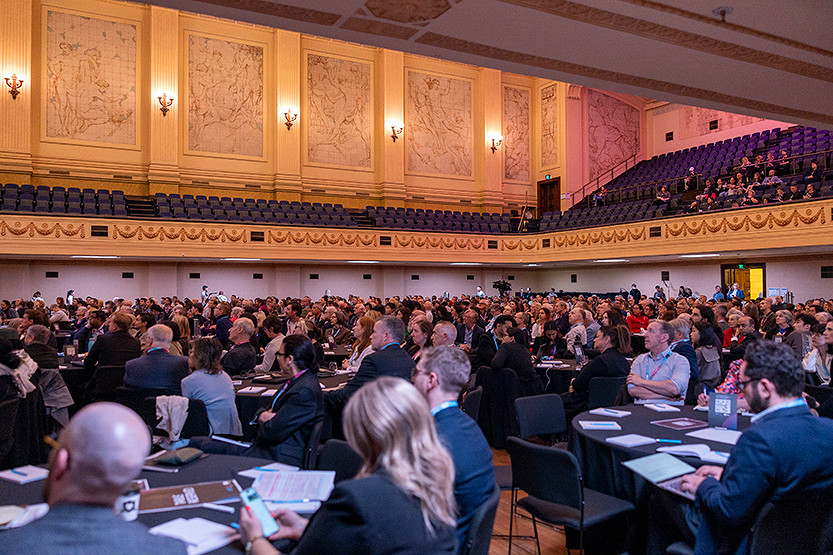
Carlton Residents’ Association (CRA) appreciates the opportunity to reflect on the recent Melbourne 2050 Vision Summit and the People’s Panel and would like to offer some observations that may help inform ongoing discussion.
Congratulations to the City of Melbourne for initiating and participating in these two events.
One area that emerged as a point of confusion throughout these events was the lack of clarity around what “Melbourne” refers to – whether the municipality of the City of Melbourne or the broader metropolitan region. This ambiguity can create challenges in policy discussions and public engagement and highlights a deeper issue: the absence of a clear governance structure for metropolitan Melbourne, and outdated governance provisions within the City of Melbourne itself.
There is strong merit in re-examining these governance frameworks. The City of Melbourne’s electoral system is widely considered outdated, with limited residential representation, weighted business votes, and no ward system. Meanwhile, metropolitan Melbourne lacks any overarching governance mechanism to coordinate planning, infrastructure, and service delivery across the broader urban region.
In parallel, better planning coordination across the metropolitan area is critical. A city of Melbourne’s scale and complexity would certainly benefit from a long-term master plan – covering land use, transport corridors, social infrastructure, environmental sustainability, and urban renewal – developed and updated regularly under state government leadership. Local councils, including the City of Melbourne, would still have an important role in detailed planning, but within a clearly defined metropolitan framework.
This approach, successfully applied in countries such as Sweden and the UK, allows for both local innovation and regional cohesion. A coordinating state department, supported by external expertise, could implement this vision effectively without excessive bureaucracy. A reformed Urban Land Authority could help facilitate major urban projects through strategic land use and development partnerships.
In short, Melbourne’s future requires a governance and planning model that is integrated, representative, and future-facing. These are the areas we believe should be at the heart of any discussion about Melbourne’s next 25 years.
Join the CRA now, to participate in these discussions to pave the way for a fairer governance.
To contact the Carlton Residents’ Association visit carltonresidents.org.au or email [email protected] •
Related Articles
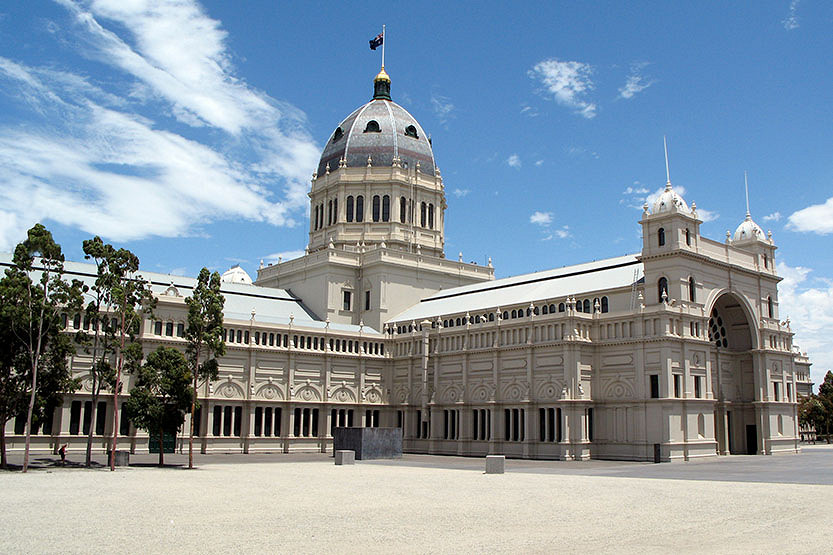
Heritage lottery
Three weeks ago, on Saturday, May 9, there was a wonderful celebration of the 125th anniversary of the opening of Australia's Federal Parliament.
Read More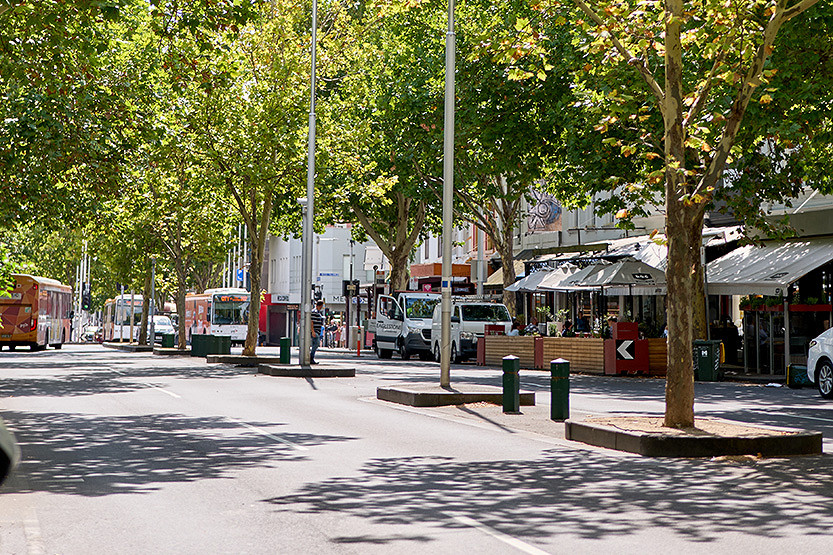
Carlton’s future in the balance
The Carlton Residents’ Association (CRA) has decided to be proactive in promoting issues that will protect and improve Carlton.
Read More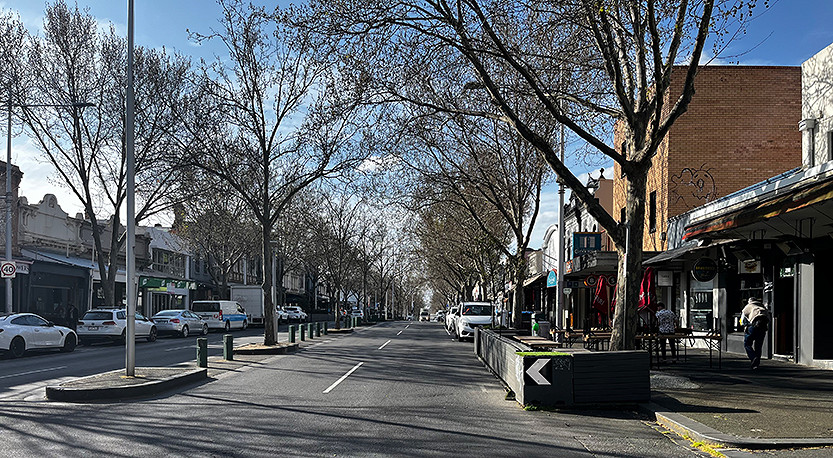
The future of Lygon St is no laughing matter!
The Carlton Residents’ Association (CRA) has had a long-standing interest and involvement in Lygon St as the activity spine of the Carlton community.
Read More
La Mama to launch three-month season of bold new works

Angelo Gargasoulas sentenced on drug crimes
 Download the Latest Edition