How La Mama can remain one of the country’s leading cultural institutions
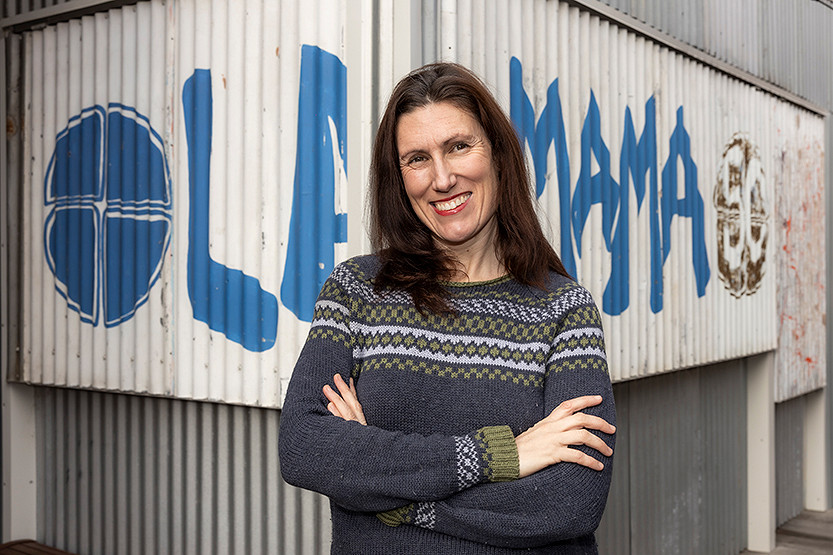

When John Brumpton left the Victorian College of Arts in the late ‘80s, he didn’t know what to do with his spare time.
He had spent his early twenties as a surveyor in the Northern Territory and Canberra but decided to pursue acting – only to find out it wasn’t that easy to get a job.
With no more voice training or university performances, he decided to write a play about life in a section of a prison reserved for those infected with HIV.
It was called Life and went on to be performed at La Mama theatre to sold-out audiences. The play was then turned into a film of the same name, which John co-wrote and acted in.
The film won the International Critics' Prize at the 1996 Toronto International Film Festival and was a pivotal moment in John’s film career.
And John is not alone. La Mama was where doyennes of Australian theatre, David Williamson and Joanna Murray-Smith, cut their teeth.
It is where Cate Blanchet performed throughout her university years, and it is the starting point for countless plays that have gone on to international acclaim.
However, due to being unsuccessful in securing funding from Creative Australia in 2023, La Mama has had to pause operations this year.
The theatre was previously unsuccessful in 2020, however, were able to stay afloat through COVID stimulation packages and Job Seeker but it didn’t have a lifeline the second time.
“We spent summer combing through the budget, trying to make it work. But anything I proposed felt like a disrespectful dilution. It was a step toward irrelevance. That was really depressing for me,” La Mama CEO and director Caitlin Dullard said.
“Federal funding has been the cornerstone of our operations for 50 years. Losing it wasn’t just financial – it was symbolic. It was a message that we need to radically adapt,” she added.
“We decided instead to reinvent ourselves. We’re looking at a future-proof model – less reliant on government funding and more resilient, while still holding onto our core values and community impact.”

La Mama relies on funding due to its business model being focused on supporting artists rather than generating big profits.
Artists get 80 per cent of the box office and $2000 to put a show on. This is essential to the theatre’s philosophy of supporting people who have powerful stories to tell but don’t have the financial backing.
“If La Mama were to become commercially viable in the traditional sense, it would fundamentally change who we are. We would lose the radical, boundary-pushing, artist-led ecology that defines us,” Ms Dullard said.
To be viable long-term, and to continue to provide the support it has for decades, La Mama will need a mixture of funding support from local, state and federal funding agencies, as well as philanthropic donations.
In a submission to a parliamentary inquiry into Cultural and Creative Industries in Victoria, La Mama has called for the Victorian Government to better fun organisations like theirs.
“If we don’t support our grassroots (and funding La Mama does exactly that), in the near future, all of Melbourne’s theatres and cultural institutions will be empty shells,” La Mama's submission read.
In the inquiry report, it identified that COVID19 greatly affected operations and viability of the creative industries throughout and after the pandemic, particularly grassroots companies and theatres.
The report noted a decline in the number of people aged between 15 and 24 engaging and participating in cultural and creative activities between 2017 and 2022, with performing arts venue attendance falling from 56 per cent to 27 per cent.
This is something that Ms Dullard is eager to resurrect when La Mama reopens next year.
“We'll be reimagining an hour artistic model and we'll be launching in October this year,” she said.
“What we’ll offer our audience will look quite different, we've got more segmented, longer seasons and a different output.”
However, one thing that La Mama will not waver on is its support for artists and they will continue to give a significant portion of box office to those behind the show.
“It’s basically the only place in Victoria where you can have an idea, not have any financial backing and make a show with complete artistic freedom that is financially viable,” Ms Dullard said. “That model doesn't exist elsewhere.” •
Related Articles

La Mama to launch three-month season of bold new works
La Mama Theatre will launch one of its most anticipated annual programs on June 2, with EXPLORATIONS returning for a three-month season of brand-new works-in-progress.
Read More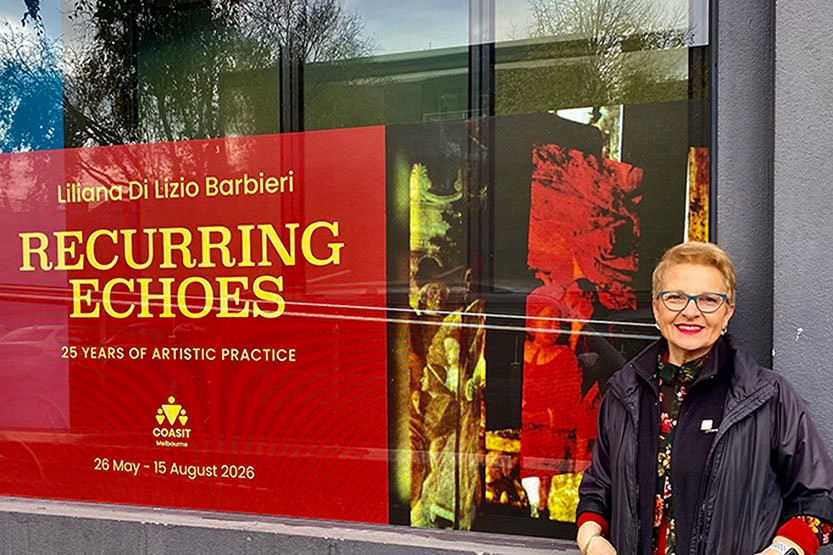
Artist’s career comes full circle in Carlton exhibition
A new exhibition in Carlton is celebrating more than two decades of work by Italian-Australian artist Liliana Di Lizio Barbieri, bringing together paintings, photography, installations and sculptural works created across her career.
Read More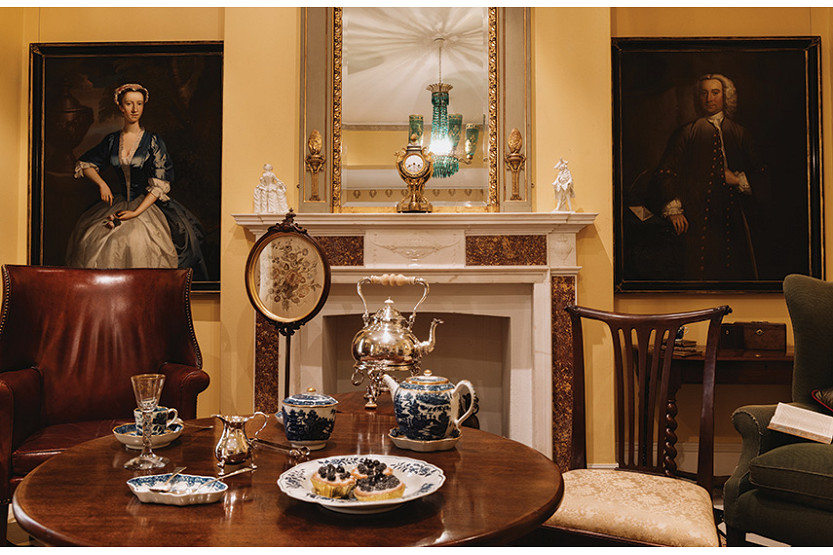
Taste & Temptation: Johnston Collection exhibition tour now open
The Johnston Collection house museum in East Melbourne is thrilled to welcome Dr Matthew Martin as guest curator of their latest exhibition tour Taste & Temptation.
Read More
La Mama to launch three-month season of bold new works

Angelo Gargasoulas sentenced on drug crimes
 Download the Latest Edition