Carlton to come alive for Shared Futures Festival


As part of RMIT’s plans to develop an Innovation Precinct in Melbourne’s inner city, Carlton will be home to a vibrant street festival for the City North Shared Futures Festival this October.
The free public event, running October 4 and 5, will see Cardigan St closed to traffic and brought to life with performances, workshops, food, art, music, augmented reality and even live action roleplay.
The festival aims to showcase the future of Melbourne’s inner north, blending technology, culture, community and sustainability into a two-day celebration. It forms part of a broader push to reimagine RMIT’s plans for the City North Social Innovation Precinct.
RMIT is one of the largest landholders in the inner city, with several sites between Lygon and Swanston streets earmarked for development as part of its innovation hub.

The precinct surrounding Cardigan St today.
In 2023, the university unveiled a proposal for the precinct, describing it as a “skills and innovation-led urban renewal” of a unique city block in City North.
The vision includes creating jobs, developing future-focused enterprises, and delivering solutions, with a focus on social care and wellbeing, the clean economy, and advanced engineering and computing.
RMIT strategy and community impact vice president, Tom Bentley, said the precinct is a living laboratory where RMIT’s knowledge meets the city, turning ideas into shared, practical, and regenerative outcomes.
“As City North grows, our role is both as a neighbour and a partner, working with residents, businesses, community organisations and government to shape a precinct that creates value for the whole community,” he said.
By opening campuses, weaving together local partnerships, and linking capabilities across sectors, RMIT is working towards City North as a world–leader for inclusive innovation.
The Shared Futures Festival is a stepping stone towards that goal and a way for RMIT to engage with the local community throughout the planning and development process.
“From the start, residents, Traditional Owners, students, local businesses, and cultural organisations have been engaged in shaping the vision and participating in activation through public events, shared activation projects and community partnerships,” Mr Bentley said.
Lord Mayor Nick Reece welcomed the initiative, saying the festival would “bring Melbourne’s shared future to life”, with art, tech and community all taking centre stage.
“Discover high-tech art and performances, Aboriginal-led urban design, sustainable food systems, and even play an interactive game set in Melbourne in 2050,” he said. “Welcome to our shared futures, right here on Cardigan St!”

On Saturday, October 4, Cardigan St will host a full day of roaming performances, interactive installations, hands-on workshops, and a frugal food canteen serving up low-waste, community-inspired meals.
From 4pm, locals can take part in a playful community dinner, the “Retirement Villa Dinner Hour”, followed by evening performances from Ladies Popping Jam, Rainbow Chain, and DJ PJZ.
However, there will be change in pace on Sunday, October 5, with a full-day live action roleplay for Reworlding City North. Participants will step into the year 2050 and imagine possible futures for the precinct in an immersive, speculative storytelling format.
As the precinct is developed over the coming decades, RMIT remains committed to respecting the neighbourhood's character.
“The existing mix of building types, community uses, activities, heritage and focus on skilling and entrepreneurship opportunities will remain, along with a strong commitment to creating more accessible, environmentally sustainable, and interactive buildings and spaces,” Mr Bentley said.
“More open and green spaces, better pedestrian links, and architecture that reflects the history and scale of the area while knitting together with activities in surrounding blocks,” he added.
Indigenous history and culture will also be woven into the approach, through landscapes that celebrate Country and spaces that support First Nations learning, gathering, and storytelling.
“By making education and innovation visible from the street and ensuring public spaces are open and welcoming, our community approach strengthens a sense of shared identity,” Mr Bentley said. •
Related Articles
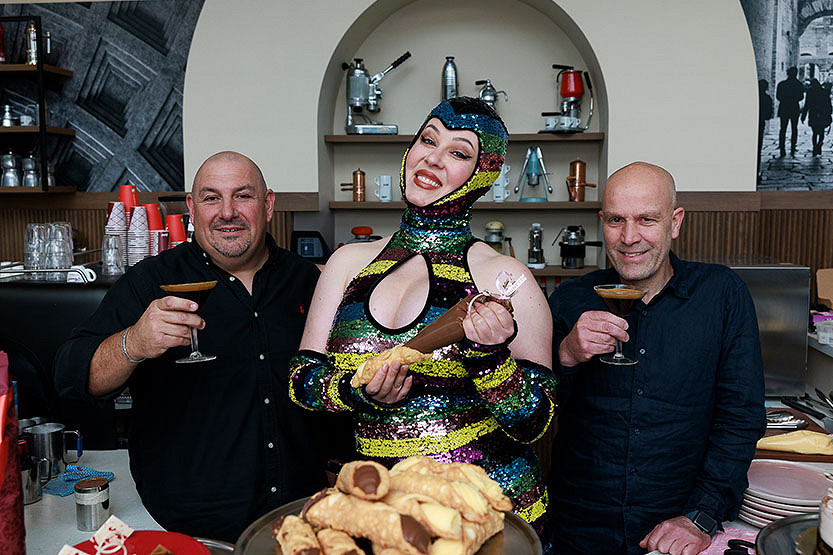
Discoteca Italiana brings Italian buzz to Melbourne Museum
Melbourne Museum will be transformed into a one-night-only Italian nightlife experience on Saturday, June 6, as Discoteca Italiana brings music, food, dancing and after-hours exhibition access to Carlton.
Read More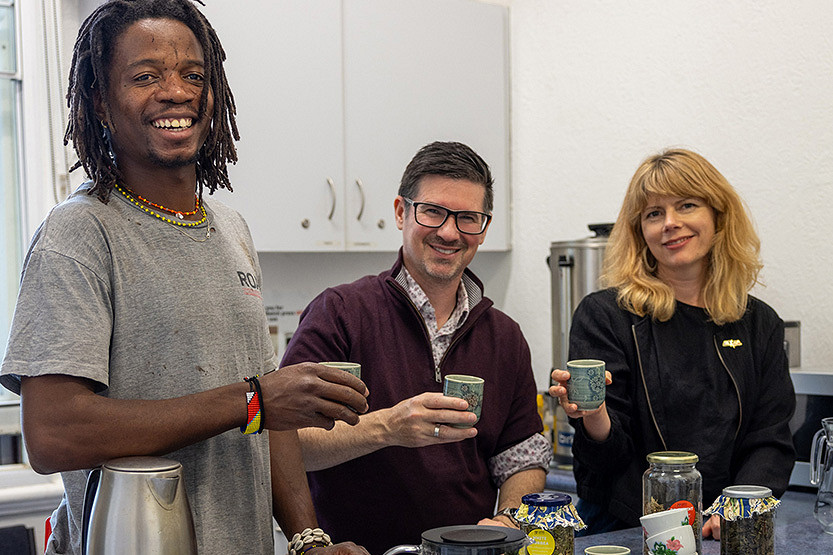
Carlton lunch to celebrate food, friendship and community connection
Long shared tables, home-style food and live music will transform a Carlton community space next month, as residents gather for a free lunch designed to bring people together.
Read More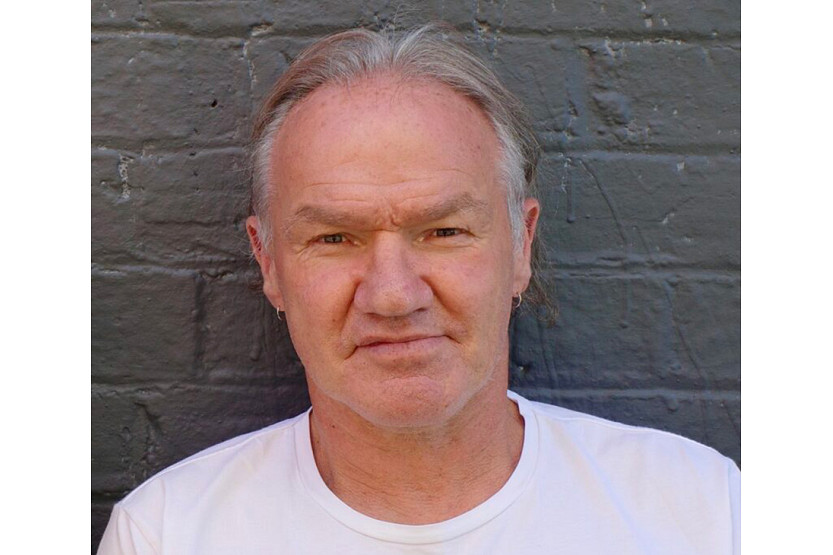
Tony Birch to give Writers Festival address on the joys and ethics of writing
Acclaimed Indigenous writer, teacher and activist Tony Birch, a Parkville resident, is appearing in three events at the Melbourne Writers Festival, one of which is delivering its closing night address – on “the ethical imagination”.
Read More
La Mama to launch three-month season of bold new works

Angelo Gargasoulas sentenced on drug crimes
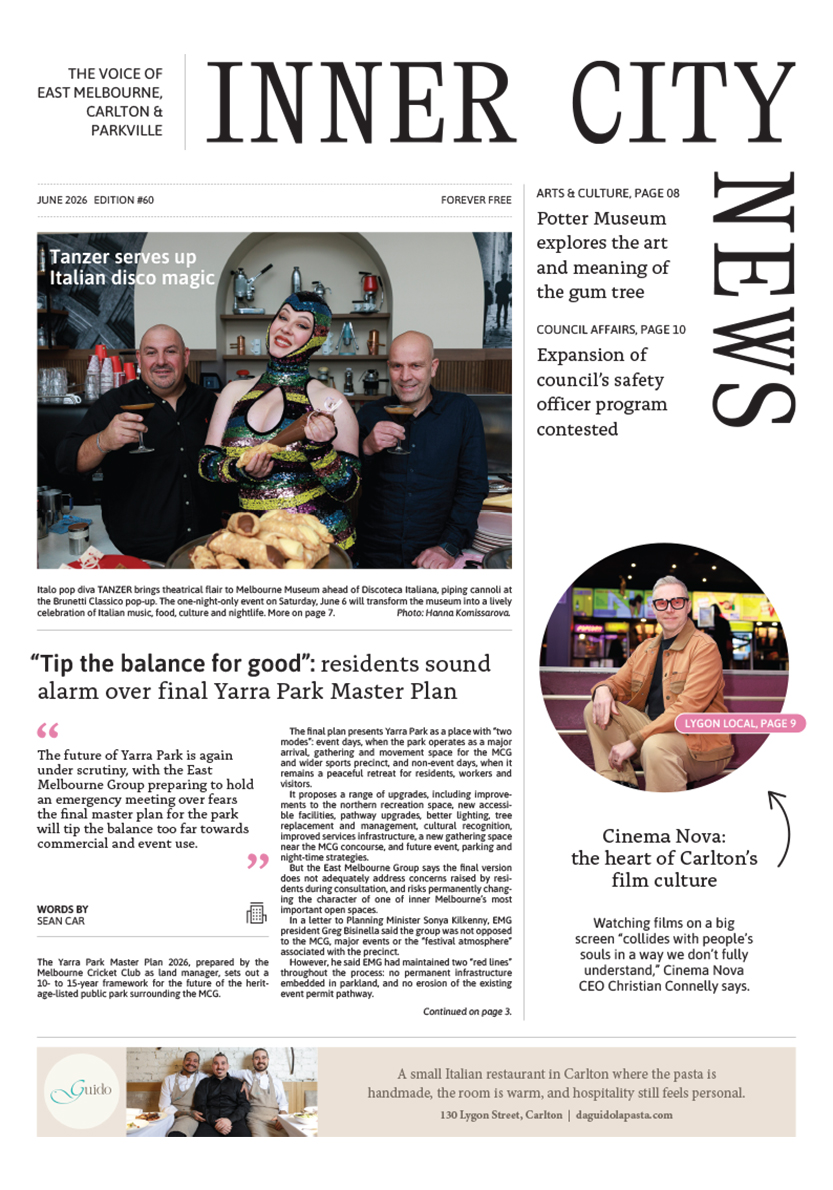 Download the Latest Edition