Calls grow for Free Tram Zone extension to include Carlton as advocacy continues
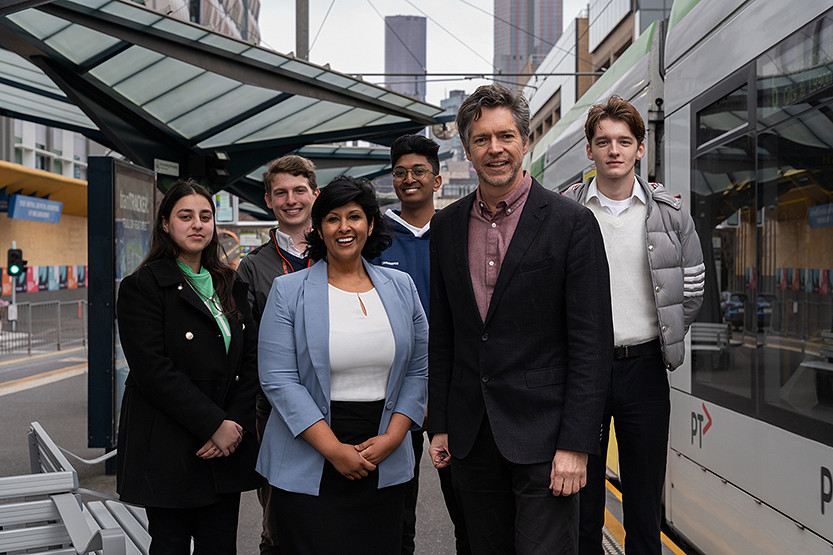

The push to extend Melbourne’s Free Tram Zone north into Carlton remains a top priority for local traders, residents, and the City of Melbourne, but Inner City News understands there is little appetite for change within the state government.
Lord Mayor Nick Reece has confirmed that advocacy for an extension is ongoing, with discussions held with both Premier Jacinta Allan and Public and Active Transport Minister Gabrielle Williams in recent months.
Despite what sources describe as “limited enthusiasm” from Spring St this side of the 2026 Victorian Election, the council continues to argue that expanding the zone to include Carlton would deliver clear social and economic benefits for the community.
The push comes after last year’s election pledge from Cr Reece to work with the state to extend the zone to “key cultural, educational, sporting and tourism precincts” around the CBD, including the University of Melbourne, Melbourne Museum, Arts Centre Melbourne, and the Melbourne Convention and Exhibition Centre.
For traders along Lygon St, and the tens of thousands of students and staff moving daily through the university and biomedical precincts, the case for inclusion is still considered to be compelling.
The proposed extension would see the free zone stretch north along Swanston St, providing a nearby link to Lygon St, and along Royal Parade to cover the University of Melbourne and the Parkville Biomedical Precinct.
During last year’s election campaign, Cr Reece said the “common-sense” extensions would provide significant benefits for Melbourne’s economy and help get people where they want to go more easily, namely students.
“I look forward to working with the Victorian Government to better support international students and make extending the Free Tram Zone a reality that works for everyone who lives, works and visits Melbourne,” he said.
Both Carlton Inc. and the Carlton Residents’ Association have repeatedly called for the change, arguing it would strengthen Carlton’s connection to the city centre while supporting small businesses and easing transport costs for students and hospital workers.
Inner City News understands that Cr Reece has also held discussions with Yarra Trams and a coalition of major institutions – including the University of Melbourne, the National Gallery of Victoria, the MCG, the Melbourne Convention and Exhibition Centre and the Parkville Biomedical Precinct – to present a unified case to government. However, while there is broad agreement across city stakeholders, the decision ultimately rests with the state.
The Department of Transport and Planning has long resisted expanding the zone, citing revenue losses and concerns about congestion. Sources suggest that officials believe there is “no political upside” in pursuing the change ahead of the next election.
Still, local advocates say the argument is as strong as ever. For Carlton, the benefits are not just about convenience, but about connection – helping bridge the gap between the city’s education, culture, and business hubs. Extending the zone would encourage more visitors to walk the short distance between the university, museum, and Lygon St’s hospitality precinct, giving local businesses a welcome boost.
Lord Mayor Nick Reece told Inner City News he remained firmly committed to the proposal.
“As Lord Mayor, I continue to advocate strongly for the extension of the Free Tram Zone,” Cr Reece said.
There are small but significant extensions that would ensure the entire tram network works better. It just makes sense that some of Melbourne’s most popular destinations – including those in Carlton – should be included.
A 2020 Parliamentary Inquiry which looked into extending the zone only recommended expanding it to two additional stops – the Arts Precinct on St Kilda Rd and Crown Casino/MCEC on Spencer Street Bridge – which wasn’t adopted by the government.
DPT’s then head of transport services Jeroen Weimar argued at the time that extending the zone to other key precincts would cause further congestion and leave the government $15 million out of pocket.
The Public Transport Users Association not only disagreed with extending the zone, but with the zone’s existence altogether.
The group cited issues with overcrowding, a lack of benefits to paying public transport users, and a disincentive for “active” modes of transport (walking and cycling) in their arguments against the zone. •
Related Articles
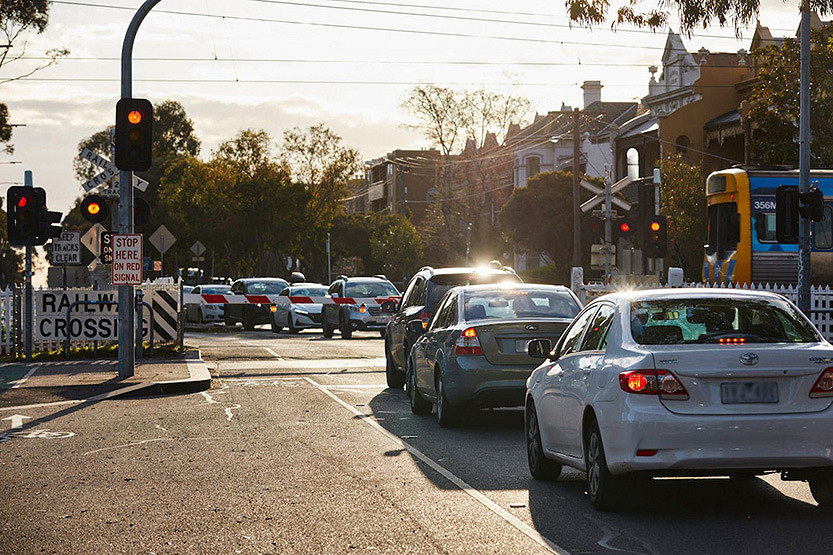
Sky rail proposal over Park St moves forward, but Royal Park concerns deepen
Plans to elevate the Upfield rail line over Park St at the northern edge of Royal Park are progressing, with some local residents viewing the emerging design as having limited impact on nearby homes.
Read More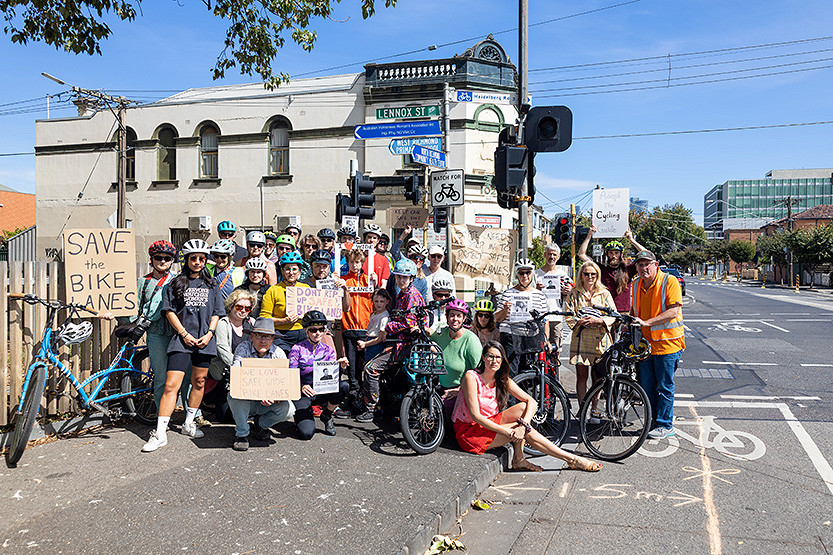
Cyclists protest Yarra’s Elizabeth St bike lane downgrade in Richmond
Cycling advocates and local residents gathered on Elizabeth St in Richmond on Sunday, March 15 to protest the City of Yarra’s decision to narrow the street’s protected bike lanes, warning the move will make one of inner Melbourne’s key east-west cycling links less safe.
Read More
Sky rail proposal over Park St moves forward with limited impact on Royal Park
Plans to elevate the Upfield rail line over Park St at the northern edge of Royal Park are progressing, with early design work suggesting relatively limited impacts for nearby Parkville residents
Read More
Discoteca Italiana brings Italian buzz to Melbourne Museum

La Mama to launch three-month season of bold new works
 Download the Latest Edition